This article was researched and drafted with AI assistance, then reviewed and fact-checked by our editorial team before publishing. We may earn a commission when you use our links to make a purchase. Our recommendations are finalized before any affiliate link is placed.
TL;DR — Key Takeaways
- GameStop closed 590 stores in fiscal 2024 and 470+ more in January 2026 alone — always verify your local store is still open before visiting.
- New game software sales dropped 27% year-over-year; GameStop's core business is shrinking structurally, not cyclically.
- Collectibles grew 27% YoY and hit nearly 28–29% of total revenue in fiscal 2025 — trading cards and graded Pokémon packs are now the real growth engine.
- Ryan Cohen is positioning GameStop as a holding company, with billions in cash earmarked for a major acquisition. A reported eBay deal remains unconfirmed.
- Who should still use GameStop: serious collectors, trade-in shoppers, and fans who want in-store browsing for pop-culture merchandise.
- Who should skip it: traditional gamers who buy new titles — Amazon, PlayStation Store, Xbox Game Pass, and Steam simply offer better value and convenience.
Is GameStop Still Relevant in 2026?
Here's the honest answer upfront: GameStop is neither dead nor thriving in its old form.
The version most people remember — crowded mall stores, trade-in counters for PS3 games, midnight launch lines — has largely been dismantled on purpose. What replaced it is harder to categorize, which is exactly why so much 2026 coverage either overstates a comeback or prematurely calls a funeral.
This review cuts through both extremes. Whether you're a gamer wondering if your local store is still open, a collector eyeing their PSA-graded card platform, or a casual investor trying to understand what GME actually is right now — here are honest, data-backed answers.
GameStop Store Closures: What the Numbers Actually Show
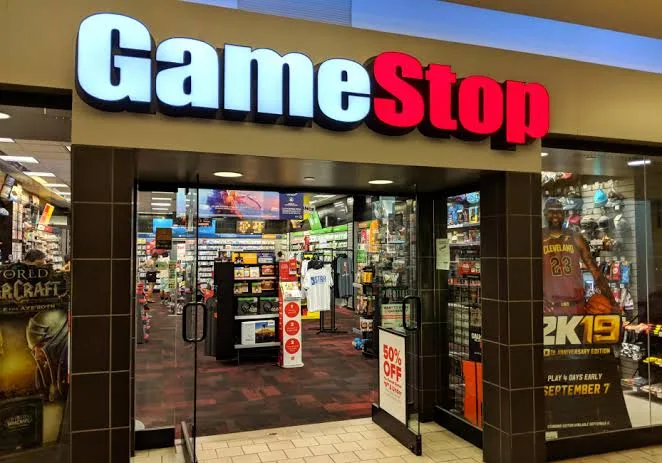
The scale of GameStop's physical retreat is the first thing any 2026 review needs to address clearly.
According to Trepp's analysis of GameStop's 2026 lease situation, GameStop closed 590 stores in fiscal 2024 alone. Then in January 2026, over 470 additional U.S. locations were confirmed closed or closing, spanning more than 40 states.
That's not a company trimming underperformers — that's a company systematically winding down its physical retail footprint.
As of February 1, 2025, GameStop's 10-K filing counted 3,203 total stores globally: 2,325 in the U.S., 193 in Canada, 374 in Australia, and 311 in Europe. But that number has been declining rapidly — and the closures are concentrated in the U.S. where the brand was always strongest.
Before visiting any GameStop location in 2026, check the store locator on GameStop.com first. With thousands of closures in the past 18 months, a store that was open last year may no longer exist.
Internationally, the story is a little different. GameStop's Australian and European operations include 38 Zing Pop Culture stores — themed around collectibles, apparel, gadgets, and fandom merchandise rather than disc-based games. These offer a preview of where the brand's retail identity may be headed.
What GameStop Sells in 2026: The Shifting Product Mix

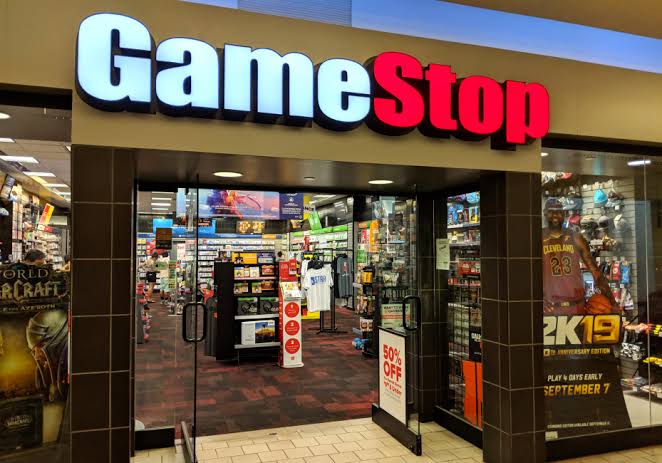
Walk into an open GameStop today and the shelf space tells the story more clearly than any earnings report.
The wall of new game cases is thinner. The trade-in counter is smaller. But the trading card section? That has grown significantly.
Here's the revenue breakdown from the most recently reported period, according to Investing.com's analysis and TradingKey's GME outlook:
| Segment | YoY Change | Share of Revenue |
|---|---|---|
| Hardware | −12% | ~40%+ |
| Software (physical) | −27% | ~30%+ |
| Collectibles | +27% | ~28–29% |
Hardware and software together still account for more than 70% of the business — which means GameStop remains heavily exposed to a product category in structural decline.
The growth story, however, is real: collectibles hit a 48% sales increase in the most recent full fiscal year, reaching close to $1 billion in revenue and growing from 19% of total sales in fiscal 2024 to 29% in fiscal 2025, per IndexBox's analysis.
One genuinely differentiated new offering: GameStop launched a digital platform for purchasing PSA-graded trading card packs, priced from a few dollars to $1,500 or more. Collectors can buy packs and open them digitally. Amazon, Walmart, and Target don't offer this. For serious Pokémon or sports card collectors, this is a legitimate reason to engage with GameStop's platform that didn't exist two years ago.
That said, the collectibles market is cyclical. The Pokémon/trading card boom of the early 2020s showed how fast collector demand can spike and contract. Betting a retail pivot on a niche, volatile segment is a calculated risk — not a guaranteed turnaround.
GameStop's Financial Health in 2026: Profitable, But Not Growing
GameStop's fiscal year 2025 numbers (ending January 31, 2026) contain a real paradox: the company is more profitable than it's been in years, while its top-line revenue keeps shrinking.
Key figures from Simply Wall St and TradingKey:
- Net income: Positive in FY2025, up sharply year-over-year
- Total revenue: ~$3.63 billion, with trailing 5-year revenue down ~34.5%
- Operating income: Swung from a loss to a profit
- Cash balance: Approximately $4.8–$6.8 billion (grew nearly 2× in a single fiscal year)
- SG&A expenses: Cut by ~19.5%
The profitability improvement is driven almost entirely by aggressive cost-cutting — closing stores, reducing headcount, slashing overhead — rather than genuine revenue growth. You can improve net income by cutting, but you can't cut your way to long-term growth.
The cash balance is the most striking balance sheet figure. Investing.com notes that GameStop's cash strength is partly tied to aggressive equity dilution — meaning the company raised cash by issuing new shares, reducing existing shareholders' ownership percentage in the process. The war chest is real; the way it was funded has real costs for long-term investors.
Ryan Cohen's Holding Company Strategy: What He's Actually Trying to Do
Ryan Cohen's vision for GameStop has become clearer through 2025 and into 2026, even if the outcome remains uncertain.
The core thesis: stop competing in a retail market you're losing, accumulate cash, and use that cash to acquire something more valuable.
According to IndexBox, Cohen has stated his intent to acquire an undervalued publicly traded company in the consumer space. BingX's analysis describes this as a "Value via Liquidity" strategy — using the massive cash balance as the primary competitive weapon. Cohen's compensation plan ties significant equity to reaching a target market cap, aligning his incentives with long-term appreciation rather than short-term fees.
The eBay acquisition rumor: The Robin Report reported that GameStop has been exploring acquiring eBay — a company roughly three times GameStop's size. The deal would require approximately $6.4 billion in cash and up to $7 billion in debt. The Robin Report is direct in its skepticism: "adding that level of debt... is often the kiss of death for any retail business." As of mid-2026, no acquisition has been completed. The holding company thesis remains a strategy, not yet a result.
Cohen's track record is genuinely mixed. Co-founding Chewy and selling it for $3.35 billion is a real credential. His involvement with Bed Bath and Beyond ended in failure; he exited his position before the company's collapse. The Robin Report notes that "Cohen always aims high; it's just that very often his aim is not very good." Fair assessment.
The Bitcoin Strategy: What It Means for Shoppers and Investors
Beyond the collectibles pivot and holding company thesis, GameStop made a smaller but symbolically significant move: adding Bitcoin to its treasury.
According to BingX, GameStop held approximately $500 million+ in Bitcoin reserves by March 2026, as part of its broader cash and marketable securities position. Investing.com describes the Bitcoin strategy as "highly questionable," pointing to cryptocurrency's volatility as an unsuitable home for corporate treasury reserves meant to fund a major acquisition.
The comparison to MicroStrategy — the software firm better known for Bitcoin accumulation than its core products — is instructive. Bitcoin exposure creates earnings volatility that has nothing to do with selling trading cards or acquiring another business. Both the risk and the philosophical argument (Bitcoin as inflation hedge) are legitimate; what's undeniable is that GameStop's reported financials will now fluctuate based on BTC price movements regardless of how well the retail business performs.
For shoppers, this is irrelevant. For anyone holding GME shares, it's a material risk worth understanding.
Is GameStop Worth Shopping at in 2026? A Practical Assessment
Let's get specific about who actually benefits from GameStop in 2026.
For traditional gamers buying new titles
GameStop's value proposition here has weakened considerably. Your competitors are:
- Steam — dominant for PC gaming, regular deep-discount sales
- PlayStation Store & Xbox Game Pass — digital-first has become the default for millions of console owners; our breakdown of the best game subscription services in 2026 covers which tier is actually worth paying for
- Amazon, Walmart, Target — same physical titles, competitive pricing, no special trip required
- Cheap game key sites — platforms like CDKeys, Fanatical, and Humble offer steep discounts on digital codes; see our guide to cheap game keys in 2026 for verified options
Bottom line for new-game buyers: Unless GameStop has a specific deal no one else is matching, there's rarely a compelling reason to choose it over digital storefronts or Amazon Prime delivery.
For trade-in shoppers
GameStop remains one of the few national brick-and-mortar trade-in options. But here's the catch:
Trade-in values have historically drawn criticism for being significantly below resale market prices. Before accepting any GameStop offer, compare it against eBay sold listings or Facebook Marketplace for the same item. The difference is often 30–50% in your favor if you sell direct.
If you value the convenience of instant cash/credit without the hassle of listing and shipping, GameStop's trade-in program is still useful. Go in knowing the math.
For collectors
This is where GameStop has the strongest case in 2026. The trading card and collectibles section has expanded meaningfully at locations that remain open. The digital PSA-graded card platform — where packs are opened virtually — has no direct equivalent at Amazon, Walmart, or Target.
For collectors interested in Pokémon cards, sports cards, Funko Pops, or graded collectibles, GameStop is worth checking seriously. Just compare pricing against eBay, NTWRK, and Whatnot before committing to any single purchase.
If you're putting together a gaming setup beyond just games, our 2026 gaming buyer's guide covers where to source consoles, PCs, and accessories at the best value — GameStop is rarely the best source for hardware, but it's worth checking for used deals.
For retro gaming enthusiasts
GameStop's used game inventory is one category where physical stores still offer something irreplaceable: the ability to browse, discover, and buy instantly. If you're hunting for older titles — particularly for systems from the PS3/Xbox 360 era — your local GameStop (if it's still open) may have inventory that's harder to find elsewhere at a fair price.
For deeper retro gaming options beyond GameStop's stock, our roundup of the best retro gaming consoles in 2026 covers dedicated hardware options like the Analogue Pocket and NES/SNES Classic.
GameStop vs. Competitors: Who's Winning the Markets GameStop Is Losing?
GameStop's retail decline is structural, not cyclical. Here's where the lost market share went:
Physical software → digital distribution. Steam, PlayStation Network, Xbox Game Pass, and Nintendo eShop have made digital purchasing the default for millions of players. Their convenience advantage over physical stores compounds every year as internet speeds improve and storage costs fall. None of these platforms require a retail intermediary.
Physical hardware → mass retail and online. Amazon, Walmart, and Target carry the same products, offer competitive pricing, and benefit from logistics scale that a specialty retailer simply cannot match. For a parent buying a birthday gift, there's no compelling reason to choose GameStop over next-day Amazon delivery unless a GameStop is literally closer and the need is immediate.
Collectibles → fragmented. GameStop competes with eBay, NTWRK, Whatnot, and thousands of local card shops, all of which have deep community expertise. GameStop's advantages are brand recognition, scale, and the new digital card platform. Whether those advantages are enough to build a durable collectibles business is genuinely uncertain.
GameStop's own 10-K explicitly acknowledges "strong competition from multi-channel retailers and ecommerce businesses" as a direct threat. That's not boilerplate — it's an accurate description of the environment.
GameStop for Gaming Gear and Accessories: Worth Checking?
Beyond games, GameStop carries a rotating selection of gaming peripherals — controllers, headsets, cables, and accessories. It's rarely the best price, but for used/refurbished accessories, the in-store selection can be useful.
If you're building or upgrading a gaming setup, dedicated resources will save you money:
- Controllers: Our best gaming controllers guide for 2026 compares third-party vs. official options with real performance data
- Keyboards and mice: See our best gaming keyboards and mice for 2026 — wired vs. wireless breakdown with latency comparisons
- Gaming laptops: If you're in the market, our best gaming laptops guide covers the performance-price-portability tradeoffs in detail
- Gaming desks: For setup ergonomics, our best gaming desks for 2026 covers cable management and space optimization
GameStop is worth a check for used accessories, but for anything new or major, specialized research will reliably get you better value.
Frequently Asked Questions
Is GameStop still open in 2026?
Yes, but with a much smaller footprint. GameStop closed 590 stores in fiscal 2024 and over 470 more in January 2026 alone, spanning more than 40 U.S. states. Many locations remain open, but you should use the GameStop store finder before making a trip — closures have been widespread enough that assumptions about nearby locations are often wrong.
Does GameStop still buy and sell used games in 2026?
Yes. The trade-in program remains operational at open locations. However, trade-in values have historically been significantly lower than what you'd receive selling directly on eBay or Facebook Marketplace. Always compare offers before committing to a trade-in.
What is GameStop mainly selling now if not video games?
Collectibles have become GameStop's growth segment: trading cards (especially PSA-graded cards like Pokémon), Funko Pops, pop-culture merchandise, and fandom apparel. Strategically, CEO Ryan Cohen is positioning the company as a holding company that will use its substantial cash reserves to acquire other businesses.
Is GameStop stock a good investment in 2026?
Analyst opinions are sharply divided. Some cite the $4.8–6.8 billion cash pile and profitability turnaround as bullish. Others flag the declining core business, speculative Bitcoin exposure, and unproven acquisition strategy as major risks. The stock remains highly volatile and speculative — not a value investment by conventional metrics. We're not financial advisors; consult a licensed professional before making investment decisions.
What's the GameStop/eBay acquisition story?
According to The Robin Report, GameStop has reportedly explored acquiring eBay — a company roughly three times its size. The deal would require approximately $6.4 billion in cash and up to $7 billion in additional debt. No acquisition has been completed as of mid-2026, and analyst reaction has been skeptical due to the debt load required.
Why does GameStop have so much cash?
The cash comes from two sources: (1) aggressive cost-cutting through store closures and SG&A reductions, and (2) equity issuances (issuing new shares) that diluted existing shareholders. The cash balance is real, but the dilution cost is also real for long-term GME holders.
Who Should Use GameStop in 2026 — and Who Shouldn't
Shop at GameStop if you are:
- A serious collector focused on trading cards, graded Pokémon packs, or pop-culture merchandise — the expanded collectibles section and digital card platform are genuinely differentiated
- A retro gamer who wants to browse and buy older physical titles instantly without waiting for online shipping
- A trade-in shopper who values in-person convenience over maximizing resale value (but always compare offers first)
Skip GameStop if you are:
- A traditional gamer buying new titles — digital storefronts (Steam, PlayStation Store, Xbox Game Pass) and Amazon offer better pricing and zero friction; our cheap game keys guide shows where to find the deepest discounts
- A hardware buyer — mass retail and online specialists almost always offer better prices on consoles and gaming peripherals
- Someone who hasn't verified whether their local GameStop is still open — with 1,000+ closures in the past 18 months, assume nothing
If you're unsure: Use GameStop's store locator, browse the online catalog at GameStop.com, and cross-reference prices on Amazon before buying anything new.
GameStop in 2026 is a company mid-transformation. The old version — the disc-based game store — is being deliberately wound down. The new version — a collectibles retailer and holding company with billions in cash — isn't fully formed yet. What exists right now is the transition itself: uncertain, occasionally interesting, and not what most people's mental model of "GameStop" looks like.
Reviewed by the Trusted Buyer Report editorial team. This article is research-based — we synthesize public financial filings, independent analyst sources, and cited data; it does not reflect hands-on testing of GameStop's retail experience. How we review · Affiliate disclosure