
This guide was researched and drafted with AI assistance, then reviewed and fact-checked by our editorial team before publishing. Our recommendations are based on manufacturer specs, independent expert reviews, and verified buyer feedback — not hands-on lab testing by Trusted Buyer Report. How we review → · How we use AI →
We may earn a commission when you use our links to make a purchase. This does not affect our rankings — editorial assessments are finalized before any affiliate link is applied. Full disclosure →
Quick Verdict
If you play on PC and want the best value, the GameSir G7 Pro beats the Xbox Wireless Controller at a comparable price. For competitive FPS on PC, the Razer Wolverine V3 Pro 8K PC is the current hardware ceiling. On PS5, use Sony's DualSense — no third-party option replicates adaptive triggers and haptics. On Nintendo Switch, buy the official Pro Controller if you need motion controls or amiibo.
The short answer: Third-party controllers are no longer compromise picks. In 2026, they match or beat official hardware on almost every spec — except platform-exclusive features like DualSense haptics.
TL;DR — Who Should Buy What
| Your Situation | Best Pick | Why |
|---|---|---|
| PC gaming, best overall value | GameSir G7 Pro | Beats Xbox Controller on features at similar price |
| Competitive FPS on PC | Razer Wolverine V3 Pro 8K PC | TMR sticks, Hall effect triggers, 8,000 Hz polling |
| Budget / first controller | GameSir Nova Lite | Hall effect sticks at lowest price point |
| PS5 full experience | Sony DualSense | Only option with adaptive triggers + haptics |
| Nintendo Switch | Official Pro Controller | Motion controls + amiibo rarely replicated by 3P |
| Multiple controllers (local co-op) | Mid-range third-party | Lower cost-per-unit without losing core functionality |
| Accessibility needs | Xbox Adaptive Controller or Sony Access | Largest licensed accessory ecosystems |
How the Controller Market Has Shifted in 2026
Here's the misconception that shapes almost every controller purchase: official controllers — the Xbox Wireless Controller, Sony's DualSense, Nintendo's Pro Controller — are automatically the safest, most reliable choice, and third-party options are compromises you accept when you can't afford the real thing.
That was true five years ago. In 2026, it's simply wrong.
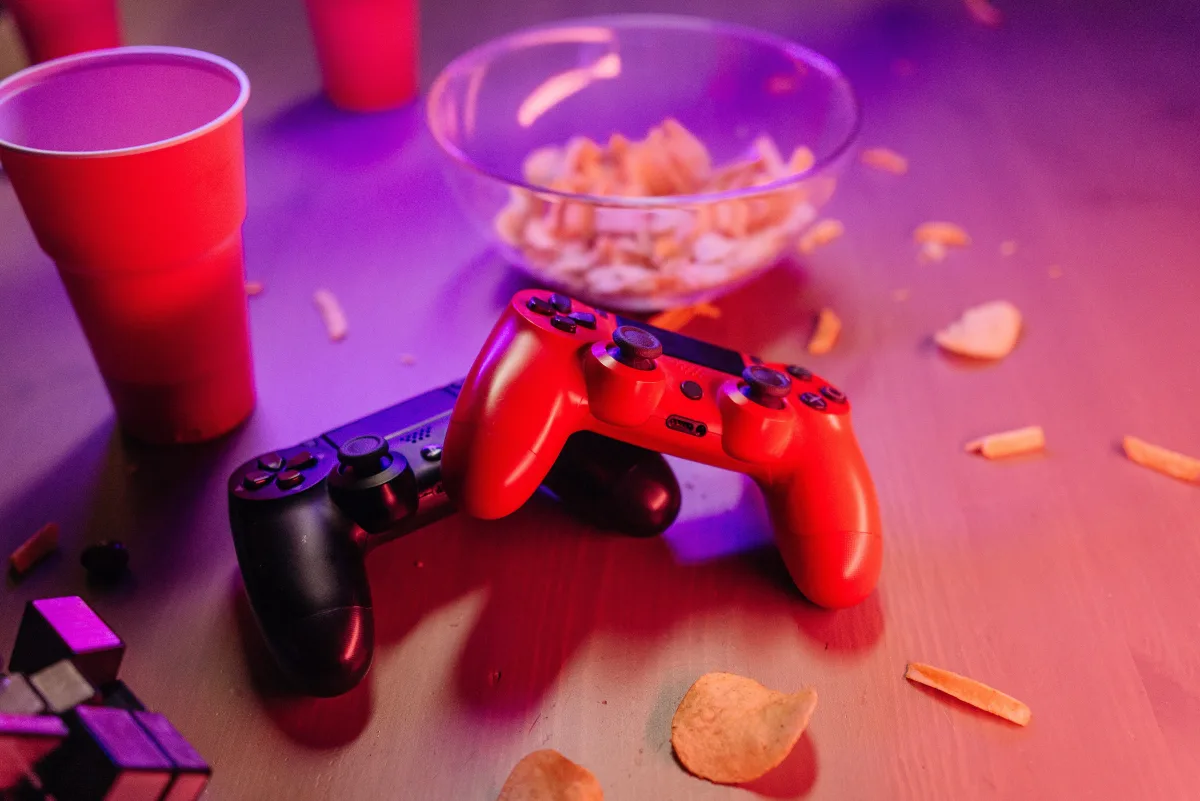
The more accurate picture: official controllers remain excellent defaults, and third-party controllers are increasingly excellent alternatives — sometimes better on features, always dependent on what you actually need. PC Gamer now names the GameSir G7 Pro as its top PC controller pick, noting it "manages to beat out the pretty superb Xbox Controller at a similar price point." That's not a knock on Microsoft — it's evidence that the competitive landscape has genuinely shifted.
According to market research on gaming controller trends for 2025–2034, third-party manufacturers including Razer, SCUF, PowerA, and Turtle Beach have rapidly iterated product lines to match or exceed OEM feature sets at competitive prices. That competition benefits you directly.
What's driving it: Each console generation creates a hardware refresh cycle. Existing owners buy second and third controllers for local multiplayer. Upgraded console buyers often seek premium alternatives to bundled OEM devices. This sustained demand gives third-party manufacturers both incentive and revenue to keep innovating — and you benefit from the result.
If you're still putting together your full gaming setup, our Gaming Buyer's Guide 2026: Consoles, PCs & Accessories covers how controllers fit into the bigger hardware picture alongside consoles, peripherals, and accessories.
The Technology Gap: What Third-Party Controllers Offer That Official Ones Often Don't
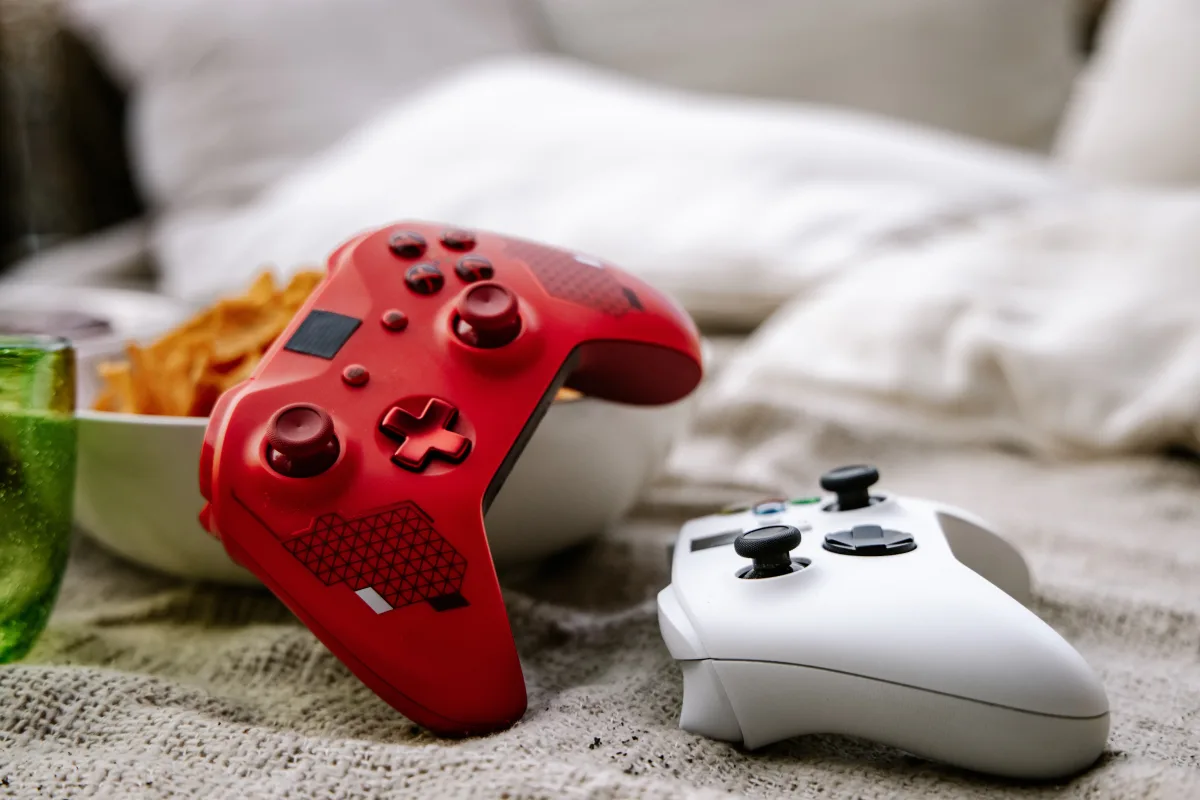
Understanding why certain third-party controllers command premium prices — and why those prices are sometimes justified — requires knowing what the underlying hardware actually does.
Hall Effect and TMR Joysticks: The End of Stick Drift
Traditional analog sticks use potentiometers: physical contacts that wear down over time, eventually causing the stick to register movement when you're not touching it. This is stick drift — the single most common hardware failure in gaming controllers.
Hall effect joysticks replace those physical contacts with magnetic sensors, eliminating wear-based drift entirely. The GameSir Nova Lite, PC Gamer's top budget pick, includes Hall effect thumbsticks at a price point that makes the technology genuinely accessible.
TMR (Tunnel Magnetoresistance) sticks, featured in the Razer Wolverine V3 Pro 8K PC, refine the concept further with tighter precision tolerances. PC Gamer notes the V3 Pro 8K PC includes both TMR thumbsticks and Hall effect triggers — directly addressing the criticisms leveled at the V2 Pro, which lacked both. Hall effect triggers apply the same drift-resistance principle to analog inputs, which matters for racing games and any title where gradual trigger pressure is a core mechanic.
One important caveat: Hall effect implementation quality varies. One independent YouTube ranking of 2026 controllers placed the X05 Pro in B-tier specifically because its Hall effect sticks felt less suited to FPS games — despite the technology being present. Hall effect is not a universal guarantee of superior feel. Execution matters as much as the underlying technology.
Polling Rate: Does 8,000 Hz Actually Matter?
Polling rate measures how frequently a controller reports its position to the connected device. Standard controllers typically poll at 125–250 Hz. The Razer Wolverine V3 Pro 8K PC polls at 8,000 Hz, reporting position far more frequently and potentially reducing perceptible input latency in fast-paced competitive games.
Here's the honest assessment: for casual play or slower-paced genres, this difference is unlikely to be noticeable. For competitive FPS players who game at high frame rates, it's a meaningful specification. If you're playing single-player RPGs or strategy games, 8K polling is money you don't need to spend.
Back Paddles: The Feature Official Controllers Won't Give You
Rear paddles allow button inputs without lifting your thumbs from the analog sticks. In shooters, this means you can jump, crouch, or reload while maintaining full aim control — a concrete competitive advantage.
Tom's Hardware specifically cites extra shoulder buttons as the reason their reviewer chose the Wolverine series for FPS gaming. This feature is almost exclusively found on third-party controllers — official first-party pads don't include rear paddles as standard.
Official Controllers in 2026: Where They Still Lead
A balanced assessment means being honest about where first-party hardware genuinely wins.
Sony DualSense — the clearest case. Its adaptive triggers provide game-specific resistance: the sensation of drawing a bowstring in Horizon, recoil simulation in Call of Duty. This is implemented at a hardware and software level that third-party controllers simply cannot replicate without Sony's proprietary technology. No third-party PS5 controller currently delivers the full DualSense haptics and adaptive trigger experience, because Sony controls the implementation.
Software compatibility. Official controllers connect and work immediately on their native platforms — no firmware updates, configuration software, or compatibility workarounds. Tom's Hardware makes this point directly: official Xbox or PS5 controllers are valid starting points, with designs refined over years for good reason. They represent proven ergonomics that millions of players find immediately comfortable.
Platform security. On Xbox consoles, unlicensed controllers may face feature limitations or compatibility issues that officially licensed alternatives avoid. The Hyperkin Competitor — noted by Wirecutter as officially licensed for Xbox despite drawing design inspiration from PlayStation's symmetrical layout — represents a third-party manufacturer specifically seeking that platform legitimacy. Official licensing is part of its value proposition, not just the hardware specs.
Nintendo Switch and Switch 2. Motion controls and NFC amiibo support are rarely replicated by third-party options. If those features matter to you, the official Pro Controller is the clear answer.
The Best Third-Party Controllers of 2026
Rather than a padded-out list, here are the controllers that have earned specific endorsements from named reviewers — with honest notes on their limitations.
Best Overall: GameSir G7 Pro
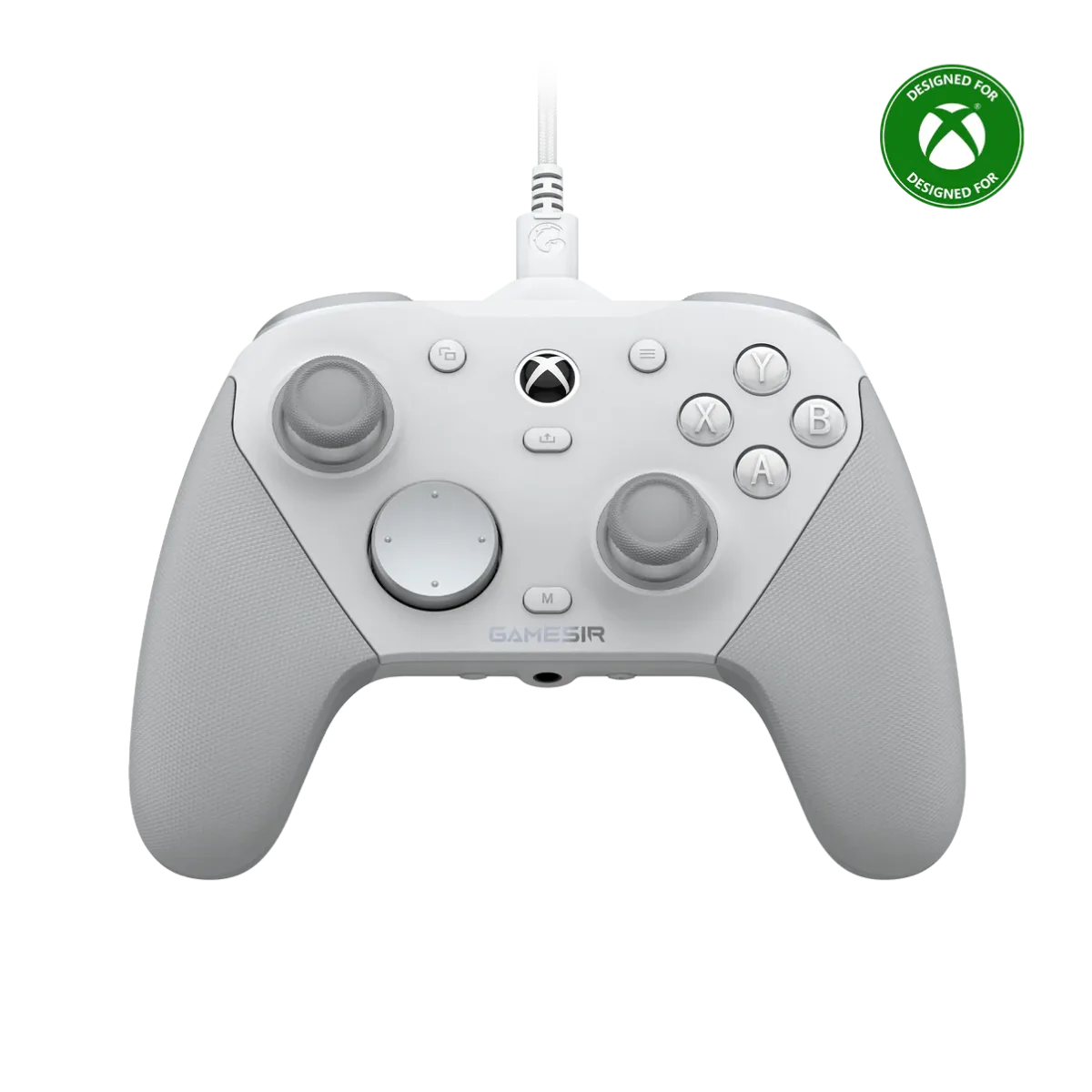
PC Gamer's pick for best PC controller in 2026. The GameSir G7 Pro delivers "the perfect blend of features, build quality, and price" and beats the Xbox Controller at a comparable price point. This is the controller to consider if you're currently using an Xbox pad on PC and wondering whether switching makes sense.
Who it's for: PC gamers who want a meaningful feature upgrade from the official Xbox Controller without paying a premium. Who should skip it: Console-primary players, or anyone who needs broad cross-platform compatibility.
Best High-End: Razer Wolverine V3 Pro 8K PC
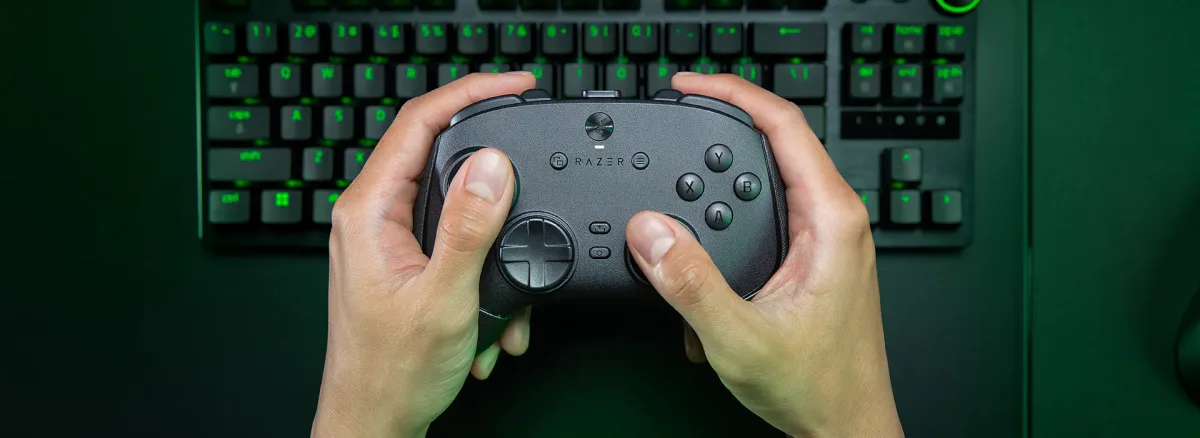
PC Gamer's current top high-end recommendation, replacing the V3 Pro after Razer addressed earlier criticisms. TMR thumbsticks, Hall effect triggers, 8,000 Hz polling, and multiple programmable buttons make it the most feature-complete controller available for PC gaming in 2026.
The price reflects that feature set. This is not a controller you buy for casual play — it would be wasteful to do so. It earns its position specifically for competitive players who will actually use what it offers.
Who it's for: Competitive FPS and action players on PC who want every hardware edge. Who should skip it: Anyone who games casually, plays single-player titles, or primarily uses a console.
Best Budget: GameSir Nova Lite
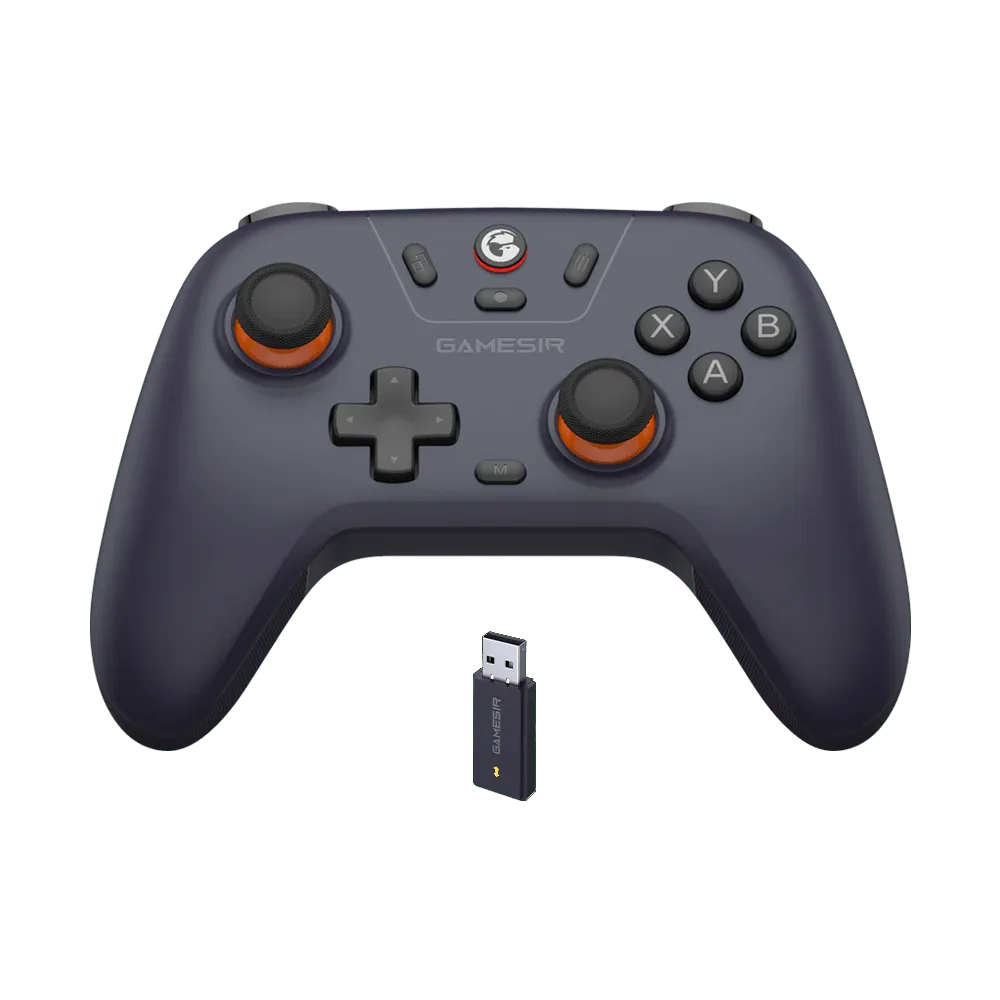
PC Gamer's recommended budget pick specifically for its Hall effect thumbsticks at a genuinely low price. If stick drift prevention is your primary concern and you don't need back paddles or high polling rates, this is the most cost-efficient path to that technology.
Who it's for: First-time controller buyers on PC, or anyone primarily concerned about stick drift.
Worth Watching: Hyperkin Competitor
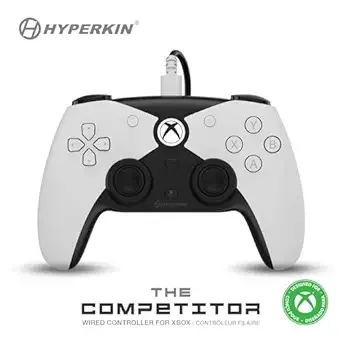
Wirecutter flagged the Hyperkin Competitor as a promising officially licensed Xbox controller with Hall effect joysticks, Hall effect triggers, and an onboard mic-mute button. Testing was still ongoing at time of publication — a definitive recommendation requires waiting for full findings. The combination of official Xbox licensing and PlayStation-inspired ergonomics makes it unusual enough to monitor.
For Rocket League and Competitive Racing: HEXGAMING RIVAL PRO
Eneba Hub highlights the HEXGAMING RIVAL PRO for Rocket League specifically. Built on a DualSense base with remappable buttons and interchangeable thumbsticks, it offers the customization that aerial mechanics demand.
Practical tip from Eneba's analysis: map air roll left and right to the back paddles rather than face buttons for better aerial control. That's a concrete example of how rear paddles translate into actual gameplay improvement, not just a spec sheet feature.
Platform Guide: Matching Your Controller to Your Setup
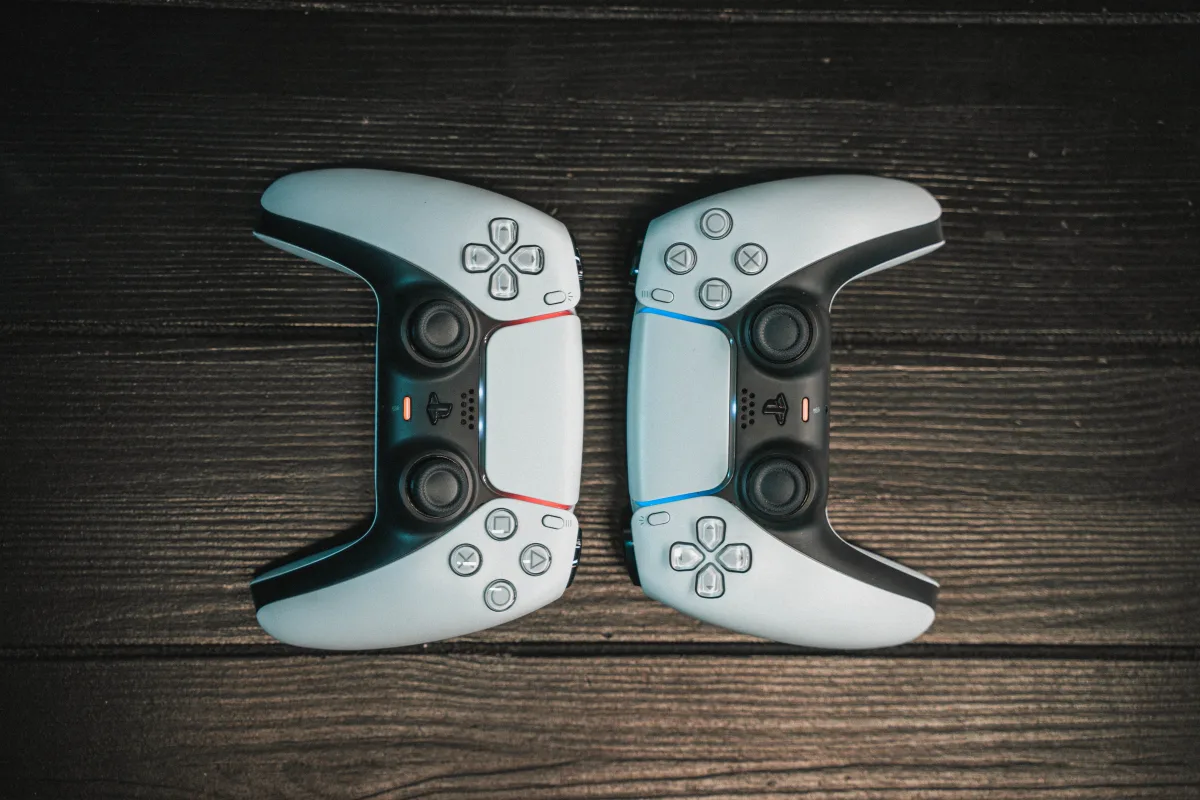
The best controller is always relative to where you play. Here's the honest breakdown by platform.
PC — the widest compatibility options. Most wired controllers and many wireless ones work via USB or Bluetooth. Steam Input allows extensive remapping regardless of brand. This is why third-party controllers shine brightest on PC: the platform removes most compatibility barriers.
Xbox consoles — officially licensed controllers are the safer choice. Unlicensed options may encounter feature limitations. Xbox Wireless Controller works natively on both Xbox hardware and Windows PCs, making it a strong cross-platform pick.
PlayStation 5 — third-party PS5 controllers typically disable haptics and adaptive triggers by default. If you want the full DualSense experience, use Sony's official hardware or an officially licensed alternative. For PC gaming, the DualSense is capable, but its unique features depend on per-game PC support.
Nintendo Switch / Switch 2 — verify motion control and NFC support before buying any third-party option. The Backbone One mobile gaming controller ecosystem is worth considering here for hybrid play styles, reflecting where mobile and cloud gaming are headed.
Cloud gaming — now a distinct category. The Razer Wolverine V3 Bluetooth was designed specifically for cloud gaming on smart TVs, per Wirecutter's reporting. If you game primarily through a cloud service, your requirements differ meaningfully from traditional console or PC setup. Our Game Subscription Services Guide 2026: Xbox Game Pass vs PS Plus vs Nintendo Online covers how cloud gaming tiers factor into overall gaming cost.
Cross-platform players — prioritize controllers with broad native compatibility. Controllers built on a DualSense base (like the HEXGAMING RIVAL PRO) cover PS5 and PC naturally. The Xbox Wireless Controller covers Xbox consoles and Windows PCs. Avoid controllers optimized exclusively for one platform if cross-platform play is regular for you.
Genre Guide: Does Your Game Type Change the Decision?
Genre is the most underused filter in controller buying decisions. It dramatically changes whether a third-party upgrade is worth the cost.
First-person shooters: Back paddles, hair triggers, high polling rates, and precise sticks all translate into measurable advantages. This is the genre where mid-range and above third-party controllers justify their premium most clearly. To get the most from your FPS setup, pair your controller with the right peripherals — our Best Gaming Keyboards and Mice 2026: Wired vs Wireless covers the rest of the competitive input equation.
Fighting games and platformers: D-pad quality is the critical variable. One independent controller ranking noted the X05 Pro has one of the best D-pads among budget controllers — a specific strength that matters more here than Hall effect sticks or polling rate.
Racing games and Rocket League: Precise analog triggers and remappable rear buttons are the priority. The HEXGAMING RIVAL PRO's back paddle recommendation for Rocket League aerial maneuvers is a practical illustration.
RPGs and narrative games: Official controllers are entirely sufficient. Spending more on a third-party option for these genres won't improve your experience in any meaningful way.
Local multiplayer and couch gaming: Cost per unit becomes the dominant factor. Mid-range third-party options that provide reliable performance at lower prices make more sense than buying multiple premium controllers. Comfort and battery life matter more than competitive specs.
Accessibility Controllers: Where Official Hardware Leads Clearly
One area where official manufacturers maintain a significant lead is accessibility.
According to research on the global adaptive gaming controllers market, Microsoft leads the global adaptive gaming controllers market through the Xbox Adaptive Controller (XAC), which pioneered the category and established an open-standard accessory ecosystem comprising more than 60 licensed third-party compatible peripherals. Sony ranks second following the successful 2023 launch of the PlayStation Access Controller, which exceeded first-year sales projections by approximately 18%.
Logitech G has also entered this space, partnering with Sony to deliver the Logitech G Adaptive Gaming Kit for the Access Controller on PS5.
If accessibility features are a requirement — for yourself or someone you game with — the official ecosystem is more developed, better supported, and more reliably compatible than third-party alternatives in this category.
Your Decision Framework
Rather than a ranked list, here's a practical decision tree based on the evidence:
- Playing primarily on PS5 and want full DualSense features? → Use Sony's official DualSense. No third-party option replicates adaptive triggers and haptics at the hardware level.
- Playing primarily on PC and want the best value? → GameSir G7 Pro is the current evidence-based answer per PC Gamer's 2026 assessment. It beats the Xbox Controller at a comparable price.
- Competitive FPS on PC and want every hardware advantage? → Razer Wolverine V3 Pro 8K PC is the current high-end benchmark. Only buy it if you'll actually use the TMR sticks, Hall effect triggers, and 8K polling in practice.
- Tight budget, want drift-resistant sticks? → GameSir Nova Lite delivers Hall effect thumbsticks at the lowest recommended price point.
- Nintendo Switch or Switch 2, need motion controls or amiibo? → Official Pro Controller. Third-party options rarely replicate these reliably.
- Accessibility features required? → Microsoft XAC or Sony Access Controller ecosystems, which have the most developed licensed accessory networks.
- Buying multiple controllers for local multiplayer? → Mid-range third-party options offer the best cost-per-unit value without sacrificing core functionality.
The honest summary: Official controllers are not obsolete, and third-party controllers are not automatically better. Match the tool to the task — buying a high-end third-party controller for casual RPG play is wasteful. Using an official controller for competitive PC FPS when third-party options offer meaningful hardware advantages at the same price is leaving performance on the table.
Building Your Full Gaming Setup
A great controller is one piece of the puzzle. Here's where to go next:
- Your desk and workspace — Best Gaming Desks 2026: Space & Cable Management covers how to build a setup that doesn't fight your hardware.
- Gaming on a laptop — Best Gaming Laptops 2026: Performance vs Price if you need portability alongside your controller.
- Save money on games — Cheap Game Keys 2026: Steam, PS, Xbox covers the safest places to find discounted titles for your new setup.
- Where to buy hardware — GameStop Review 2026: Still Relevant? if you want to know whether in-store retail still makes sense for controller purchases.
- Retro gaming — Best Retro Gaming Consoles 2026 if you're looking at older hardware where controller compatibility works differently.
Frequently Asked Questions
Are third-party controllers safe to use on consoles?
It depends on whether the controller is officially licensed for that platform. Officially licensed third-party controllers — like the Hyperkin Competitor for Xbox — are designed to meet platform requirements and are generally safe. Unlicensed controllers on Xbox or PlayStation consoles may face feature restrictions or compatibility issues. On PC, compatibility concerns are minimal thanks to tools like Steam Input.
Do Hall effect sticks actually prevent stick drift?
Yes, in principle — Hall effect sticks use magnetic sensors rather than physical contacts, eliminating the wear mechanism that causes traditional stick drift. However, implementation quality varies between manufacturers. The presence of Hall effect technology doesn't guarantee superior feel in every use case; execution matters as much as the underlying hardware.
Is the Razer Wolverine V3 Pro 8K PC worth the price?
For competitive PC gaming — particularly FPS — the combination of TMR thumbsticks, Hall effect triggers, and 8,000 Hz polling represents the current hardware ceiling for consumer controllers per PC Gamer's 2026 testing. For casual or single-player gaming, those features provide no meaningful benefit and the price premium is not justified.
What is the best controller for someone new to PC gaming?
Either the GameSir G7 Pro for the best overall value, or a standard Xbox Wireless Controller as the most immediately familiar and compatible option. Both work seamlessly on PC. The GameSir G7 Pro edges out the Xbox Controller on features at a similar price per PC Gamer, but the Xbox controller requires zero setup and works natively with most Windows games.
Can I use a PS5 DualSense on PC?
Yes — the DualSense works on PC via USB or Bluetooth. The adaptive trigger and haptic features are only fully supported in games that specifically implement them on PC, and not all titles do. Steam has added DualSense support for its platform, which significantly improves compatibility.
What should I prioritize if I play both console and PC?
Broad native compatibility is the key criterion. Controllers built on a DualSense base, like the HEXGAMING RIVAL PRO, cover PS5 and PC naturally. The Xbox Wireless Controller works natively on both Xbox consoles and Windows PCs. Avoid controllers optimized exclusively for one platform if cross-platform use is regular for you.
How often do gaming controllers need to be replaced?
Traditional potentiometer-based sticks can develop drift within 1–3 years of heavy use depending on the model. Hall effect controllers should theoretically last significantly longer since there are no physical contacts to wear down — though long-term durability data across different implementations is still accumulating as the technology becomes mainstream.