This guide is based on manufacturer pricing, industry satisfaction surveys, and verified customer data aggregated from CableTV.com, Business of Apps, and PCMag. It does not reflect hands-on subscription testing by Trusted Buyer Report. Reviewed and fact-checked by our editorial team. We may earn a commission when you use our links — this never influences our rankings.
Here's a number that should make you pause: Netflix has more than 300 million subscribers worldwide, yet only 67% of its users say they'd recommend it — placing it near the bottom of the 2026 streaming satisfaction rankings. A niche anime platform most Americans have never heard of beats it by 19 percentage points. That gap tells you a lot about where streaming is actually headed in 2026.
Prices have climbed sharply across every platform. The landscape is consolidating fast — Hulu is being absorbed into Disney+, and smaller services are bundling or disappearing. If you're still choosing your streaming services the way you did in 2022, you're probably overpaying.
This guide matches each major platform to specific viewer profiles using real satisfaction rankings and verified library data, so you can pick the right service (or the right combination) without guessing.
Quick verdict:
- Best for variety: Netflix — widest genre range, one service for diverse households
- Best for families/franchise fans: Disney+ bundle (with ESPN+ and Hulu content integrated)
- Best for prestige TV: Max (HBO) — consistently highest-rated originals
- Best hit-to-miss ratio: Apple TV+ — tiny library, nearly everything lands
- Best for anime: Crunchyroll — 86% recommendation rate, highest of any service surveyed
- Best overall satisfaction: Disney Bundle at 82%, per CableTV.com's 2026 survey
Streaming Prices Have Gotten Out of Hand — Here's What You're Actually Paying in 2026
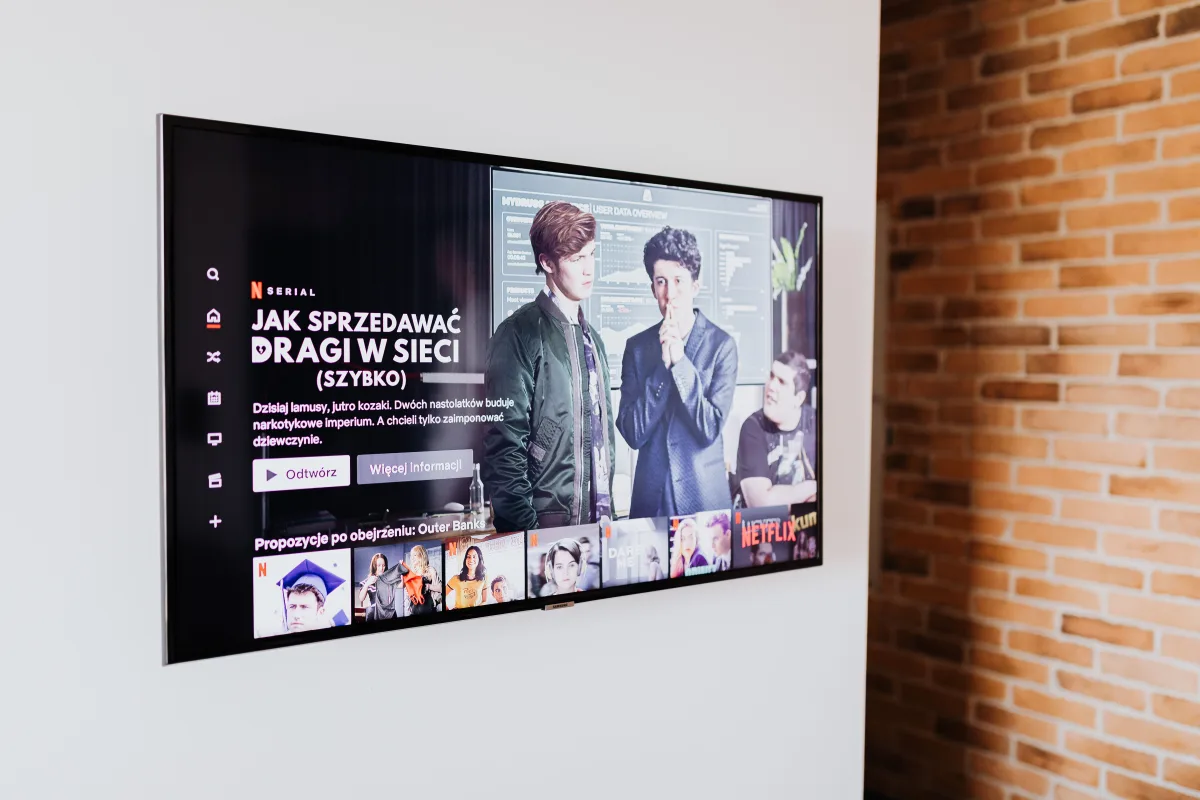
Between 2024 and 2026, every major platform raised prices significantly. Netflix's standard ad-free plan rose to $17.99/month. Disney+ premium ad-free jumped to $13.99. Apple TV+ nearly doubled from $4.99 to $9.99 per month despite having one of the smallest libraries of any major service.
Stack two or three of these together and you're approaching what a basic cable package used to cost — which is exactly the trap many households have fallen into without realizing it. According to Forbes, only 10% of surveyed users said they would not cut any subscription regardless of price increases. And 44% identified Disney+ as the first service they would drop if forced to choose.
That's why it matters which service you lead with.
If you're evaluating your full subscription stack — streaming alongside meal kits, fitness apps, and audiobook services — our complete subscription services guide for 2026 breaks down how to assess recurring costs across every category, not just entertainment.
The Biggest 2026 Change: What Actually Happened to Hulu
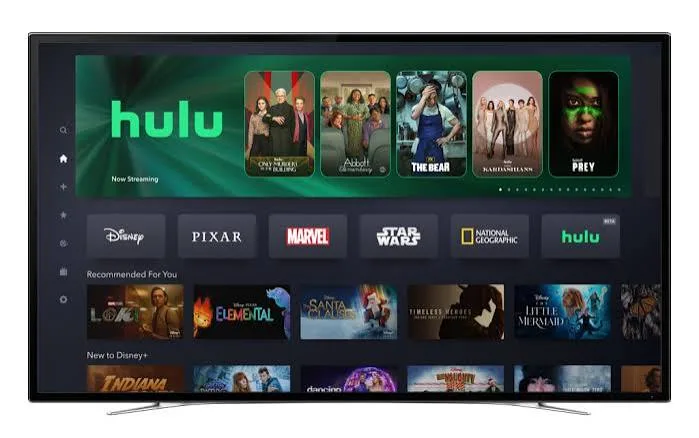
If you haven't been following streaming news closely, this one will catch you off guard: the standalone Hulu app is being phased out throughout 2026.
According to reporting from The Sun Papers, Hulu's entire content library is being integrated into the Disney+ app. Hulu + Live TV is migrating there too. Disney now fully owns Hulu and has decided that maintaining two separate apps no longer makes strategic sense.
What this means practically:
- Shows like The Bear, Only Murders in the Building, and The Handmaid's Tale — previously on Hulu — will be inside Disney+ going forward
- Hulu + Live TV functionality is moving into the Disney+ interface
- The Hulu brand may persist in name, but the product most people knew is going away
This makes any head-to-head "Hulu vs. Disney+" comparison increasingly obsolete. They're becoming one product. The better question is whether the expanded Disney+ — now carrying both franchise content and Hulu's general-interest library — is worth $13.99/month for your household. That depends on what you actually watch, which the sections below will help you figure out.
2026 Customer Satisfaction Rankings: Which Service Users Rate Highest
Brand recognition and user satisfaction are not the same thing. The CableTV.com On-Demand Satisfaction Survey 2026 makes this impossible to ignore.
Here are the full "completely or very likely to recommend" scores for major services:
| Provider | Satisfaction Score |
|---|---|
| Crunchyroll | 86% |
| AMC+ | 83% |
| Shudder | 83% |
| Disney Bundle | 82% |
| DAZN | 81% |
| Discovery+ | 77% |
| ESPN Select | 76% |
| MGM+ | 76% |
| STARZ | 76% |
| Apple TV+ | 70% |
| Hulu | 70% |
| Paramount+ | 70% |
| Max | 68% |
| Netflix | 67% |
| Disney+ | 66% |
| Amazon Prime Video | 65% |
| Peacock | 64% |
The pattern here is consistent: niche services that serve a specific audience well — Crunchyroll for anime, Shudder for horror, AMC+ for prestige drama — outperform general-interest giants that try to serve everyone. When a service knows exactly who it's for, subscribers tend to feel the same way.
One number worth examining closely: the Disney Bundle scores 82% satisfaction, while Disney+ standalone scores only 66% — a 16-point gap. That difference suggests the bundle's combined value (Disney+, Hulu content, ESPN+) resonates far more strongly than any single component. If you're considering Disney+, the bundle is almost certainly the smarter entry point.
Content Library Size vs. Content Quality: They're Not the Same Metric
One of the most common mistakes people make when comparing streaming services is treating library size as a proxy for value. Here's how the major U.S. streaming libraries actually compare, according to Business of Apps, citing JustWatch data:
| Service | Movies | TV Shows |
|---|---|---|
| Amazon Prime Video | 20,000 | 2,700 |
| Netflix | 3,800 | 1,800 |
| Max (HBO) | 2,000 | 1,300 |
| Disney+ | 1,300 | 500 |
| Hulu | 1,200 | 1,300 |
| Peacock | 860 | 200 |
| Paramount+ | 500 | 400 |
| Apple TV+ | ~30 | ~50 |
Amazon Prime Video's raw numbers look dominant — 20,000 movies dwarfs every competitor — but much of that catalog is licensed content of variable quality, including titles that require an extra rental fee. Netflix's 3,800 movies represent a more curated selection.
Apple TV+ sits at the opposite extreme: roughly 30 movies and 50 TV shows. Yet it consistently earns the highest critical hit-to-miss ratio of any major service. Nearly everything Apple releases gets strong reviews — Severance, Ted Lasso, The Morning Show — because the platform is selective by design.
Breadth keeps people subscribed. Quality keeps people talking. The most-streamed title on Netflix remains The Office — a licensed catalog show — with 57.1 billion minutes watched (Nielsen data via Business of Apps). That tells you something about why variety matters even when originals are hit-or-miss.
Netflix in 2026: Who It's Right For (And Where It Falls Short)
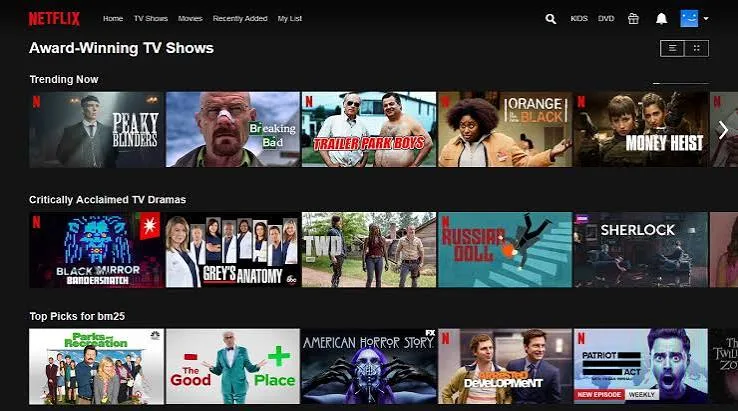
Netflix remains the world's largest subscription streaming service, with over 300 million subscribers globally as of Q4 2025. The platform plans to boost content spending by 10% in 2026, according to Variety.
Netflix's core strength is variety. No other major subscription service covers as many genres with as much depth: Korean dramas, true crime documentaries, stand-up specials, animated series for adults, prestige originals, and decades of licensed catalog content. If your household includes people with genuinely different tastes — a teenager who watches anime, a parent who follows crime dramas, a partner who wants nature documentaries — Netflix is the service most likely to serve all of them adequately from one subscription.
Its weaknesses are equally specific:
- No live sports. This is a dealbreaker for a significant portion of households
- Bandwidth requirements. Netflix recommends 25 Mbps per stream for 4K quality — households with slower internet won't get full value from the premium tier
- Navigation friction. Despite its scale, Netflix's 67% satisfaction score reflects many subscribers feeling the service has become harder to navigate and less focused than it once was
Netflix at $17.99/month makes the most sense for: households with diverse viewing tastes, international content fans, and viewers who want a single service that covers most bases without committing to a bundle.
Netflix makes less sense for: sports-focused households, Marvel or Star Wars fans (those libraries live on Disney+), or budget-conscious viewers who only watch one or two genres and would be better served by a cheaper niche service.
Disney+ in 2026: A Fundamentally Different Product Than It Was at Launch
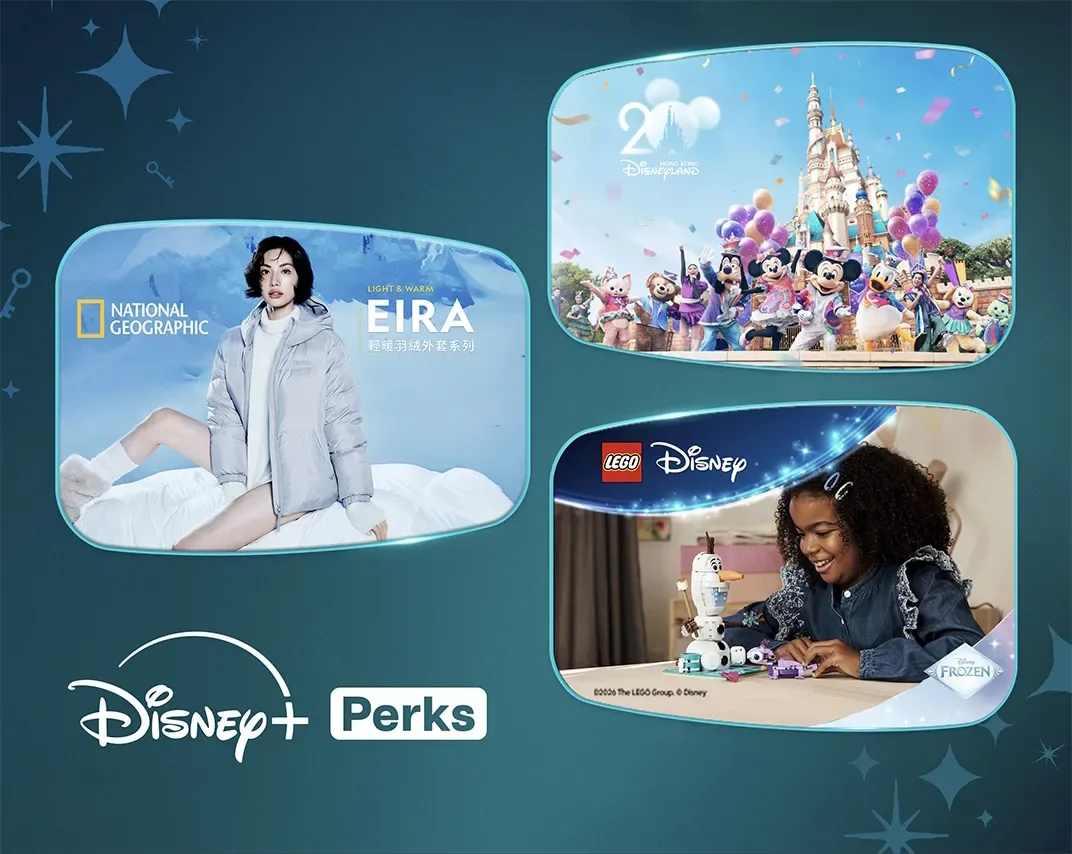
Disney+ launched in 2019 as a focused franchise platform — Marvel, Star Wars, Pixar, Disney Animation, National Geographic. That identity still exists, but the service has transformed substantially. With Hulu's content now integrated and Hulu + Live TV migrating to the platform, Disney+ in 2026 is attempting to be a full-spectrum entertainment service.
The satisfaction data from CableTV.com reflects this evolution in a telling way. Disney+ standalone scores 66% — near the bottom of the rankings — while the Disney Bundle scores 82%. That 16-point gap suggests the service works best when experienced as a bundle, not as a standalone product.
At $13.99/month for the premium ad-free tier, you're effectively paying for what once required two separate subscriptions. Disney+'s focused library of 1,300 movies and 500 TV shows is narrower than Netflix or Max, but with Hulu's originals now accessible inside the app — The Bear, Only Murders in the Building, The Handmaid's Tale — the content range has expanded meaningfully.
Families with children will find Disney+ hard to replace. No other service combines Disney Animation, Pixar, Marvel, and National Geographic in a single app.
Disney+ makes the most sense for: families with children, Marvel and Star Wars fans, households that want live TV integrated into a streaming app, and cord-cutters who previously subscribed to both Hulu and Disney+ separately.
It's less suited for: viewers who primarily want prestige adult drama (Max serves that better), international content fans, or subscribers who find franchise content uninteresting.
If you're also comparing what to read or listen to alongside what to watch, our books, music, and entertainment buyer's guide covers the best audiobook and ebook services — useful if you're trying to consolidate your monthly entertainment spend.
Max, Apple TV+, and the Services Worth Serious Consideration Beyond the Big Three
The conversation about the best streaming services in 2026 shouldn't stop at Netflix and Disney+. Two services in particular deserve serious attention depending on your viewing priorities.
Max (HBO): Best for Prestige Drama
Max consistently produces the highest-rated original programming of any streaming service. House of the Dragon, The Last of Us, and The White Lotus represent the kind of appointment television that drives cultural conversation. Max also bundles Discovery network content — Food Network, TLC, HGTV — plus live sports from TNT and TBS, making it a broader proposition than its HBO reputation suggests.
Its 68% satisfaction score is modest, but its "extremely or very effective" content rating is competitive. If prestige television is your primary criterion, Max is the strongest option available.
Apple TV+: Best Hit-to-Miss Ratio
Apple TV+ has roughly 30 movies and 50 TV shows — the smallest library of any major service. But almost everything it releases earns strong reviews. Severance, Slow Horses, Presumed Innocent, and Shrinking punch well above their platform's size.
Apple TV+ scores 70% satisfaction despite its limited catalog, which reflects strong fit between the service and the audience that seeks it out. At $9.99/month — nearly double its original launch price — it's no longer the easy add-on it once was. But for viewers who want a small, curated selection of high-quality originals, it remains a genuinely distinct option.
Crunchyroll: The Satisfaction Leader
If anime is a significant part of your household's viewing, Crunchyroll's 86% recommendation rate — the highest of any standalone streaming service in the 2026 survey — reflects a service that does one thing exceptionally well. Affordable pricing, an extensive anime library, and a community-oriented experience make it the clearest example of a niche service outperforming general-interest giants on the metrics that actually matter to its audience.
If you enjoy gaming as another form of entertainment alongside streaming, it's worth knowing that game subscription services have followed a similar pattern — niche depth often beats broad access. Our comparison of Xbox Game Pass, PS Plus, and Nintendo Online covers the trade-offs across the major gaming subscriptions in 2026.
Which Streaming Service Should You Actually Choose? A Use-Case Framework
The most expensive streaming mistake is subscribing to multiple services simultaneously and using none of them consistently. The most practical approach in 2026 is to identify your primary viewing category, pick the service that leads in that category, and add a second only if there's a specific gap the first doesn't fill.
Use this to decide:
- You watch a wide variety of genres and want one service to cover most of it → Netflix at $17.99/month is the most defensible single-service choice
- You have children and/or are a franchise content fan (Marvel, Star Wars, Pixar) → Disney+ bundle with ESPN+, especially now that Hulu content is integrated
- Prestige drama is your priority → Max, with HBO originals and Discovery content bundled together
- You want quality over quantity and don't mind a small library → Apple TV+ at $9.99/month offers the best hit-to-miss ratio of any major service
- You're primarily an anime viewer → Crunchyroll leads satisfaction rankings and is purpose-built for that audience
- You want live TV as a cable replacement → The Hulu + Live TV migration into Disney+ makes the Disney bundle the most integrated option; YouTube TV and Sling TV remain alternatives worth comparing
Data from PCMag's 2026 streaming service rankings and Business Insider's streaming guide both point to the same conclusion: no single service is best for everyone. The right combination depends on what you actually watch — not what a platform markets itself as.
For viewers who also subscribe to ebook or audiobook services as part of their entertainment budget, our breakdown of the best ebook and audiobook subscriptions in 2026 — including Kindle Unlimited, Audible, and Scribd — can help you decide whether a reading subscription makes sense alongside your streaming setup.
Frequently Asked Questions
Is Hulu still a separate service in 2026?
No. The standalone Hulu app is being phased out throughout 2026. Hulu's content library — including originals like The Bear and Only Murders in the Building — is being integrated into the Disney+ app. Hulu + Live TV is also migrating to Disney+. If you currently subscribe to Hulu, your content will be accessible through Disney+ going forward.
Which streaming service has the highest customer satisfaction in 2026?
According to the CableTV.com On-Demand Satisfaction Survey 2026, Crunchyroll leads all standalone streaming services with an 86% recommendation rate. Among general-interest services, the Disney Bundle scores 82%. Netflix scores 67% and Disney+ standalone scores 66%, both near the bottom of the survey rankings.
Which streaming service has the most content in 2026?
By raw volume, Amazon Prime Video has the largest library — approximately 20,000 movies and 2,700 TV shows in the U.S. Netflix has the largest curated library among major subscription services, with around 3,800 movies and 1,800 TV shows. Apple TV+ has the smallest library but the highest critical hit-to-miss ratio of any major service.
Which service produces the best original content?
Max (HBO) consistently produces the highest-rated original programming by critical consensus, with House of the Dragon, The Last of Us, and The White Lotus setting the benchmark for prestige TV. Apple TV+ has the best quality-to-volume ratio. Netflix has the widest variety of originals across genres, though quality is uneven by volume.
Is the Disney Bundle worth it in 2026?
The satisfaction data suggests yes — the Disney Bundle (Disney+, Hulu content, ESPN+) scores 82% in the CableTV.com survey, compared to just 66% for Disney+ alone. That 16-point gap reflects how much better the bundle serves subscribers compared to the standalone product. If you're considering Disney+, the bundle is almost always the better entry point.
This article was drafted with AI assistance and fact-checked by our editorial team before publishing. Trusted Buyer Report may earn a commission from purchases made through links on this page — this never influences our rankings. Read our methodology · Affiliate disclosure