
Affiliate Disclosure: We may earn a commission when you use our links to make a purchase. This never affects our rankings — recommendations are finalized before any affiliate link is applied. This article was researched with AI assistance and reviewed by our editorial team before publishing.
TL;DR — Best Travel Insurance Plans 2026
- Best overall (U.S. News, 45 companies evaluated): Travelex Insurance Services
- Best overall value (NerdWallet): Trawick International
- Best single plan (Forbes Advisor, perfect 5.0/5.0): IMG iTravelInsured Travel LX
- Best for pre-existing conditions: Travel Guard
- Best for frequent travelers (3+ trips/year): Annual plans — avg. ~$330/year (Squaremouth data)
- Biggest gap most travelers miss: Emergency medical and evacuation — almost no credit card covers this abroad
The Misconception That Costs Travelers Thousands
Most people assume their domestic health insurance travels with them. It doesn't.
Break your ankle hiking in Costa Rica, and your U.S.-based health plan will likely cover nothing — not the ER visit, not the surgery, and certainly not a medical evacuation helicopter that can run $50,000–$100,000+ depending on your location. That single gap is why travel insurance exists, and why skipping it — or buying the wrong plan — is a genuinely expensive mistake.
The harder question isn't whether travel insurance matters. It's which plan makes sense for your travel pattern, health situation, and budget. This guide combines 2026 provider rankings from U.S. News & World Report, NerdWallet, and Forbes Advisor, real cost data from Squaremouth, and a decision framework you can apply before buying anything.
How this guide was researched: This is a research-based buying guide. We synthesized 2026 rankings from U.S. News (45 companies evaluated), NerdWallet, and Forbes Advisor (30 policies from 15 companies) alongside pricing data from Squaremouth's marketplace. We did not purchase or independently test these policies. Sources are cited throughout.
If you're working through the full logistics of a major trip — accommodations, flights, and protecting your investment end to end — our Complete Travel Buyer's Guide 2026 covers the broader planning picture alongside the insurance decisions here.

Why Travel Insurance Matters More in 2026
The market has changed significantly. According to Travel Agent Central, U.S. News evaluated 45 travel insurance companies for its 2026 rankings — a field that has grown both more competitive and more complex.
Here's what's driving higher stakes for travelers right now:
- More expensive, non-refundable bookings. Americans are booking international itineraries further in advance, meaning financial exposure from a single cancellation has grown.
- Climate and operational disruptions. A flight cancellation cascade — one missed connection unraveling hotels, pre-paid tours, and a cruise departure — can generate losses that dwarf the cost of a policy.
- Emergency medical costs abroad. Standard U.S. health insurance, including Medicare, provides little to no coverage outside the country. Emergency evacuation alone routinely exceeds $50,000 without coverage.
The bottom line: travel insurance used to feel optional. In 2026, for any significant international trip, the math has shifted.
The Six Coverage Types — and Which Ones Actually Matter
Travel insurance isn't one product. It's a bundle of distinct coverage types, and not all carry equal financial weight.
| Coverage Type | What It Does | Financial Weight |
|---|---|---|
| Trip Cancellation | Reimburses prepaid costs if you cancel for a covered reason | High |
| Trip Interruption | Covers costs when a trip is cut short mid-travel | High |
| Emergency Medical | Pays treatment costs abroad | Critical for international travel |
| Emergency Evacuation | Covers transport to adequate care or back to the U.S. | Critical — costs $50K–$100K+ |
| Baggage Loss/Delay | Compensates for lost, stolen, or delayed luggage | Moderate (limits typically $500–$1,500) |
| Cancel For Any Reason (CFAR) | Optional upgrade; reimburses 50–75% of costs for any cancellation | Situational |
Two additional benefits worth checking: trip delay coverage (meals and lodging after a 6–12 hour delay, depending on policy) and missed connection coverage (compensation when a covered delay causes you to miss a connecting flight or cruise departure).
As InsureMyTrip's 2026 Comparison Guide recommends, the most effective approach is comparing plans by specific benefit type — not by overall price or brand recognition alone.
2026's Top-Rated Travel Insurance Providers
Three major evaluations published 2026 rankings. They don't all agree on a single winner — which is actually useful. Different methodologies surface different strengths, and the variation tells you which provider fits which traveler.
U.S. News & World Report: Travelex Tops 45 Companies
U.S. News evaluated 45 companies and awarded Travelex Insurance Services the highest Overall Rating for 2026. Travelex also earned top honors from Virtuoso for insurance partners — consistent performance across both consumer and travel industry evaluations. U.S. News specifically highlighted Travelex, Seven Corners, and World Nomads as leaders for international coverage.
NerdWallet: Category-Based Rankings (Most Actionable for Individuals)
NerdWallet's category approach is often more useful for individual decision-making:
| Provider | Best For | Key Strength |
|---|---|---|
| Trawick International | Best Overall | Breadth of coverage + value combination |
| Seven Corners | Emergency Medical | High limits for medical treatment and evacuation |
| Travel Guard | Pre-Existing Conditions | Flexible waiver terms for medical history |
| WorldTrips | Credit Card Supplement | Targeted coverage for cardholders with existing benefits |
| John Hancock | Points & Miles Bookings | Handles complex trip cost valuation |
| HTH Insurance | Group Travel | Strongest group policy structure |
Forbes Advisor: IMG Gets a Perfect 5.0/5.0
Forbes Advisor analyzed 30 policies from 15 companies and awarded IMG's iTravelInsured Travel LX a perfect 5.0 rating, naming it the top travel insurance product of 2026. Forbes weighted medical coverage limits, evacuation limits, and overall value per dollar heavily.
Why the rankings diverge: Travelex tops U.S. News while IMG tops Forbes — that's not a contradiction. U.S. News weighs customer service and claims handling heavily; Forbes emphasizes coverage limits and value per dollar. Use the ranking that aligns with what you care most about.
Annual vs. Single-Trip Plans: The Math That Decides It

The decision between an annual multi-trip policy and a single-trip policy comes down to a calculation most travelers skip.
According to data from Squaremouth's marketplace, annual travel insurance plans average around $330 in 2026 — under $1/day for year-round coverage. Plans start as low as $100/year for younger travelers with basic needs, per American Visitor Insurance.
Here's the comparison:
| Scenario | Cost |
|---|---|
| 4 single-trip policies × $80 avg. | ~$320/year |
| 1 annual plan (avg.) | ~$330/year |
| 4 single-trip policies with better coverage × $120 | ~$480/year |
| 1 annual plan (higher tier) | ~$330–$400/year |
Squaremouth identifies three or more trips per year as the threshold where annual coverage becomes cost-effective for most travelers.
But watch for this catch: Most annual plans cap each individual trip — commonly at 30, 45, or 70 days. If you're planning a six-week trip abroad, verify your annual plan's per-trip limit covers it. If it doesn't, a single-trip policy for that journey may be necessary.
Annual plans also emphasize travel medical over trip cancellation. If you need robust cancellation protection for expensive, non-refundable bookings, you may need to supplement or choose single-trip policies with higher cancellation limits. Squaremouth recommends annual plans include at least $250,000 in Emergency Medical coverage as a baseline for international travel.
Pre-Existing Conditions: What Coverage Actually Exists
This is one of the most searched questions in travel insurance — and one of the least clearly answered.
The short version: Most standard policies exclude pre-existing conditions by default. A waiver is available, but only if you act quickly.
How the Pre-Existing Condition Waiver Works
A waiver typically requires:
- Purchasing your policy within 14–21 days of your first trip deposit
- Insuring 100% of your prepaid, non-refundable trip costs
Miss that window by even a few days and the waiver is unavailable — regardless of how stable your condition is.
Definition also matters: Some policies use a 60-day lookback period (any condition treated or medicated in the past 60 days), others use 180 days. Read the definition in the actual policy document — not the marketing summary.
A Concrete Example
A traveler with controlled Type 2 diabetes books a trip to Japan and purchases travel insurance within 12 days of the initial deposit. Six months later, she experiences a diabetes-related complication requiring hospitalization abroad. Because she purchased within the waiver window and insured the full trip cost, the pre-existing condition waiver applies — medical claim covered. Had she purchased 35 days after the deposit, the same claim would have been denied.
NerdWallet specifically identified Travel Guard as the best provider for travelers with pre-existing medical conditions in 2026, citing flexible waiver terms. Travelers over 70 with significant medical histories face the most limited options; specialized senior travel insurance products are worth comparing separately.
What Your Travel Credit Card Actually Covers (And Doesn't)
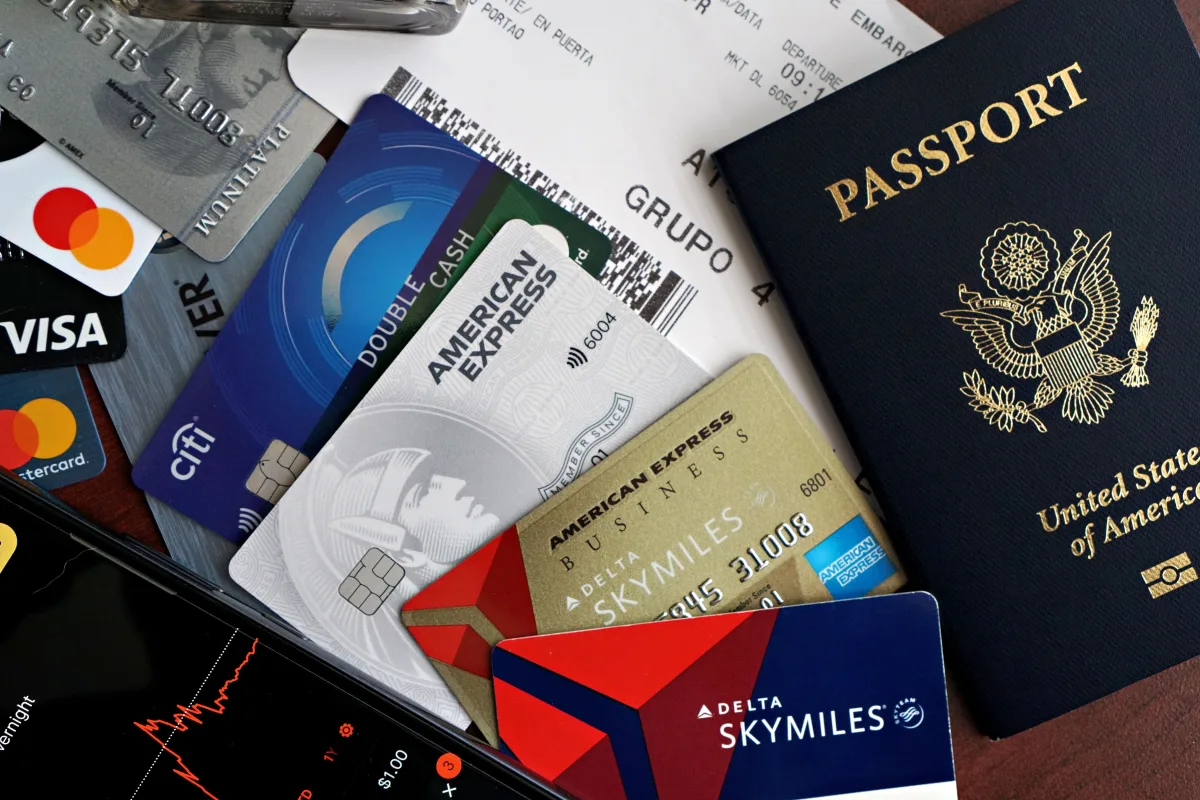
Premium travel credit cards — Chase Sapphire Reserve, Amex Platinum, Capital One Venture X — include real trip cancellation, trip delay, and baggage protection. These benefits are useful.
But here's what they almost universally exclude: emergency medical coverage and medical evacuation.
Those are the two highest-cost risks for international travelers, and they're simply absent from card benefit guides. A traveler who assumes their Sapphire Reserve covers a medical emergency abroad will find out the hard way that it doesn't.
Other gaps to know:
- Cancellation limits on cards typically run $1,500–$10,000 per person. On a $15,000 international trip, a $10,000 limit leaves $5,000 unprotected.
- Coverage usually applies only to travel purchased on that specific card — complicated if you booked across multiple payment methods.
NerdWallet identified WorldTrips as the best option for travelers who already have credit card coverage and need targeted supplemental protection. A standalone travel medical insurance policy — covering only emergency medical and evacuation — can cost significantly less than a comprehensive plan and fills the most dangerous gap.
If you're maximizing credit card travel benefits, our guide to the best travel credit cards in 2026 breaks down which cards actually deliver the strongest travel protections — and where the gaps are.
The Fine Print That Causes Most Claim Denials
Claim denials in travel insurance almost always trace back to policy terms the buyer didn't read before purchasing. These aren't obscure technicalities — they're standard provisions that appear in nearly every policy.
Covered Reasons Are a Finite List
Trip cancellation applies only when you cancel for a reason explicitly listed in the policy. Changing your mind, fear of travel, a work conflict — not covered under standard policies. CFAR is the only option for that flexibility, and it reimburses 50–75%, not 100%.
The Known-Event Exclusion
Once a hurricane is named or a political crisis is officially declared, policies purchased after that date typically exclude claims related to that specific event. Purchase insurance at the time of your first trip deposit, not when you start worrying about a storm.
Evacuation Coverage Destination
Some policies cover evacuation only to the "nearest adequate medical facility" — not necessarily the U.S. If local treatment in a developing country counts as medically adequate, that's where the policy may stop paying. Verify the policy explicitly covers repatriation to the U.S. if that matters to you.
Adventure Sports Exclusions
Standard medical coverage frequently excludes injuries from skiing, scuba diving, rock climbing, and similar activities. If your trip involves any of these, look for a policy that explicitly includes adventure sports coverage.
Claim Filing Deadlines
Most policies require notifying the insurer within 20–72 hours of an incident and submitting documentation within 90 days. Missing these deadlines can result in denial regardless of the underlying claim's validity. Keep all receipts, medical records, and airline documentation from the moment something goes wrong.
Frequently Asked Questions
How much does travel insurance typically cost?
Single-trip travel insurance generally costs 4–10% of your total prepaid trip cost, varying by age, destination, and coverage level. Annual multi-trip plans average around $330 in 2026, according to Squaremouth's marketplace data, with plans starting as low as $100/year for younger travelers with basic coverage needs.
Is travel insurance worth it for a domestic trip?
For domestic travel, the calculus is different. Your health insurance covers medical emergencies in the U.S., eliminating the primary financial risk that makes international travel insurance essential. Trip cancellation coverage may still be worth purchasing for expensive, non-refundable domestic bookings — cruises, resort packages, multi-city itineraries — but the urgency is lower.
Can I buy travel insurance after I've already left?
Some insurers allow post-departure purchases, but coverage won't apply to anything that occurred before the policy effective date, and many benefits — especially trip cancellation — are unavailable once travel has begun. Purchase before departure, ideally at the time of your first trip deposit, for the broadest coverage and access to pre-existing condition waivers.
What's the difference between travel insurance and travel assistance services?
Travel assistance services help coordinate logistics — finding a hospital, arranging translation, locating a replacement passport. They don't pay bills. Travel insurance pays the financial costs. Many comprehensive policies include both, but they're distinct functions. Verify your policy includes both coverage and assistance services if you're traveling to remote destinations.
Does travel insurance cover trip cancellation due to COVID-19?
Most standard policies cover trip cancellation if you or a traveling companion is diagnosed with a covered illness — including COVID-19 — before departure and cannot travel. Fear of illness, government advisories, and destination entry restrictions are generally not covered reasons. CFAR coverage applies in those situations.
Final Recommendation: A Decision Framework
Rather than naming a single "best" plan — which depends entirely on your circumstances — here's a practical framework based on 2026 provider rankings and cost data.
If you travel internationally 3+ times per year: An annual plan is almost certainly more cost-effective. Look for at least $250,000 in Emergency Medical coverage, verify the per-trip duration cap, and confirm evacuation coverage includes repatriation to the U.S. Seven Corners and Trawick International are strong starting points per NerdWallet's 2026 analysis. Before you book, also make sure your accommodations are protected — our comparison of Airbnb vs. VRBO vs. hotels in 2026 walks through cancellation policies and refund protections across each platform.
If you travel once or twice per year with expensive bookings: A comprehensive single-trip policy with trip cancellation, emergency medical, and evacuation is the right structure. Travelex (highest overall U.S. News rating) and IMG's iTravelInsured Travel LX (Forbes Advisor's perfect 5.0) are both worth quoting.
If you have a pre-existing medical condition: Prioritize Travel Guard, NerdWallet's 2026 pick for this category. Purchase within 14 days of your first trip deposit, insure the full trip cost, and read the lookback period definition in the actual policy document.
If you hold a premium travel credit card: Don't assume coverage for medical emergencies abroad — you almost certainly don't have it. Purchase a standalone travel medical insurance policy to fill that gap. WorldTrips is NerdWallet's recommended option here.
If cost is the primary concern: Annual plans starting at $100/year exist for younger travelers. For single trips, compare quotes on Squaremouth or InsureMyTrip to see exact pricing for your age and destination — never purchase the first quote without comparing at least two or three alternatives.
One final note: travel insurance is just one layer of trip protection. You'll also want to think about how you're booking flights (our best flight deal sites & apps for 2026 guide covers platforms that offer flexible change and refund policies), whether your luggage is adequately covered (see our best luggage & suitcases guide), and how you'll stay connected abroad (our international eSIM & travel Wi-Fi guide for 2026 is a good companion resource). Travel rewards points can also offset policy costs — check our best travel rewards programs guide to see which programs offer the strongest redemption value.
The best travel insurance plan for 2026 is the one that covers your actual risks at a price that makes financial sense for your travel frequency. Use the provider rankings as a shortlist, not a final answer — then verify the specific plan covers the activities, destinations, and health circumstances that apply to your trip.
Reviewed by the Trusted Buyer Report editorial team. This article was researched and drafted with AI assistance, then fact-checked before publishing. Trusted Buyer Report may earn a commission from purchases made through links on this page. Our rankings are finalized before affiliate links are applied. Full disclosure →