Bottom line up front: 2026 is a genuinely better year to buy luxury fashion than the previous two. A structural market correction — after years of brands growing primarily by raising prices — has forced the top tier to compete on value. This guide explains where real deals exist, how to evaluate them, and what the resale market means for your net cost. Recommended for buyers at any budget who want designer quality without the premium-for-premium's-sake markup.
This guide is based on manufacturer specifications, market research reports, and publicly available pricing data. It does not reflect hands-on product testing by Trusted Buyer Report. We may earn a commission when you use our links.
Why 2026 Is a Structurally Different Year for Luxury Buyers

Here is the fact that reframes every luxury "deal" you'll encounter this year: between 2022 and 2024, roughly 80% of luxury brand growth came from price increases — not volume growth. Consumers paid significantly more for the same goods. That dynamic has now reversed.
In 2026, brands at the top of the market are being forced to earn growth rather than price their way to it. That shift creates identifiable windows of genuine value for informed buyers — if you know where to look.
The scale makes this meaningful. Statista's Luxury Fashion Worldwide Market Forecast puts global luxury fashion revenue at approximately $85 billion in 2026. A market this large — spanning apparel, footwear, leather goods, eyewear, and fragrance — contains enormous pricing variation. Deals exist. The question is whether you understand the mechanics well enough to find them.
For context on how luxury fits into your broader fashion budget, the 2026 Fashion & Apparel Buying Guides covers the full pricing spectrum from basics to investment pieces.
How the Luxury Fashion Market Is Structured in 2026
Before identifying where value hides, you need a clear map of the market's structure.
The $85 billion figure from Statista covers luxury apparel and footwear specifically. The United States generates the largest single-country revenue share, at approximately $23 billion. Per capita, that works out to about $10.76 per person globally — a number that underscores how concentrated luxury consumption actually is among high-net-worth individuals.
The segment most relevant to deal-seekers is affordable luxury: Fortune Business Insights values this tier at $13.17 billion in 2026, growing at a 3.67% CAGR through 2034. North America dominates this segment with a 35.27% market share — the most competitive geography and, consequently, the most deal-rich environment for buyers.
The conglomerate structure matters more than most buyers realize. LVMH, Kering, and Capri Holdings each operate tiered brand portfolios. That means you can often access equivalent craftsmanship and brand heritage at meaningfully different price points within the same corporate family. A buyer priced out of Louis Vuitton can find comparable leather goods construction in Loewe or Celine — both LVMH properties. Understanding conglomerate architecture is one of the most underused tools in smart luxury buying.
The Pricing Mechanics Behind Luxury Fashion: What "Deal" Actually Means Here
Luxury pricing is not cost-plus. A structured leather handbag from a top European house does not carry a price tag that reflects material and labor costs. It reflects brand equity, scarcity signaling, aspirational positioning, and the social function the object performs for its owner.
A genuine deal in luxury fashion means acquiring that brand equity — the craftsmanship, the heritage, the secondary market liquidity — at below-typical-market cost. That is a meaningfully different goal than simply buying a discounted item.
According to Strategy& / PwC's Fashion Retail Outlook 2026, 56% of consumers increased their purchases of discounted fashion in the past 12 months, with 22% reporting a substantial increase in off-price purchasing. Off-price channels — Saks Off 5th, Nordstrom Rack, Last Call, brand outlet stores — are now mainstream access points to designer goods, not compromise options.
The same report found that one in three customers now considers resale potential before buying premium or luxury items. This adds a second dimension to deal assessment. A $1,200 structured leather bag from a brand with strong resale demand — say, a Saint Laurent Lou Lou — may retain 60–70% of its value on platforms like The RealReal. A $90 bag from a brand with weak secondary market presence may fetch $15 resale. The net cost of ownership, not the sticker price, is the correct metric.
Markdown cycles follow predictable patterns. End-of-season inventory moves to sale in January and July at most major retailers. Off-price channels receive inventory 3–6 months after primary retail — which means a coat that appeared at Neiman Marcus in September may arrive at Last Call by February. Understanding this calendar lets you plan purchases rather than react to them.
Where Genuine Value Exists in 2026: Categories Worth Watching
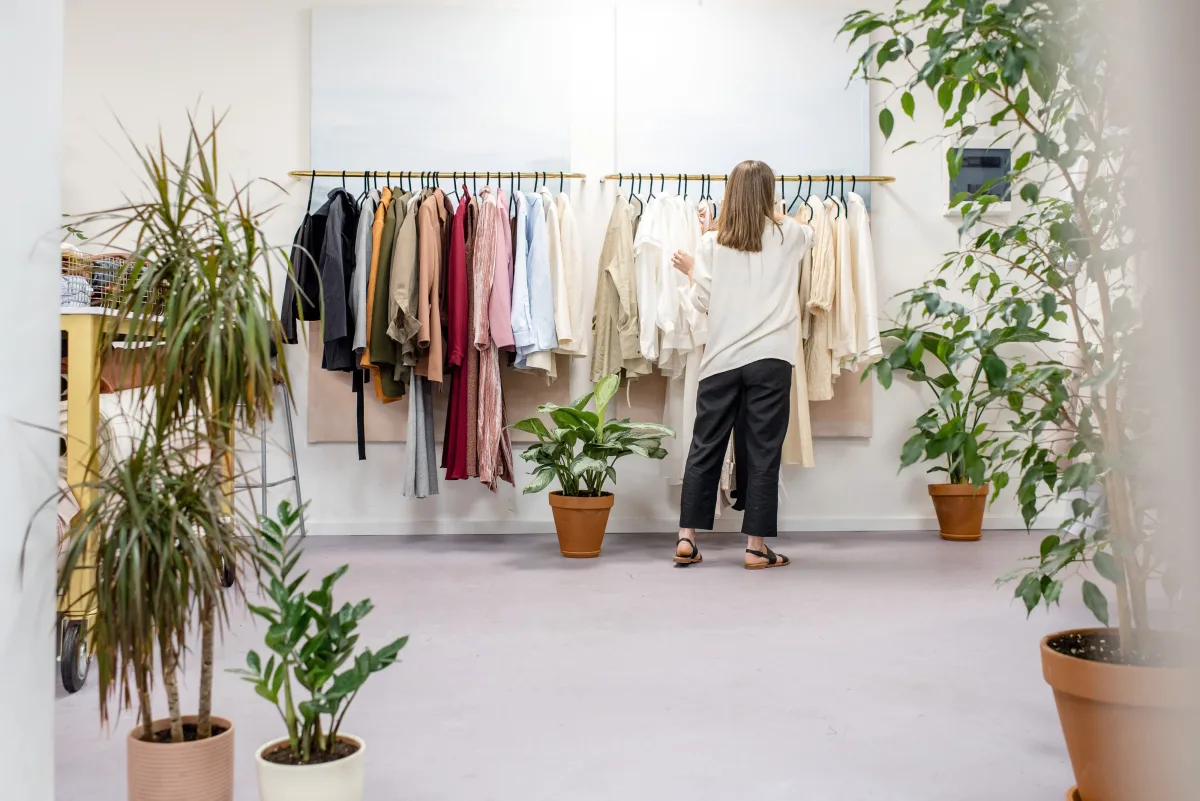
Not all luxury categories offer equal deal potential. Some — Hermès ready-to-wear, Chanel handbags — are structurally resistant to discounting. Others have real pricing flexibility. Knowing the difference saves time and prevents chasing markdowns that don't exist.
Leather Goods (the strongest category for mid-tier buyers)
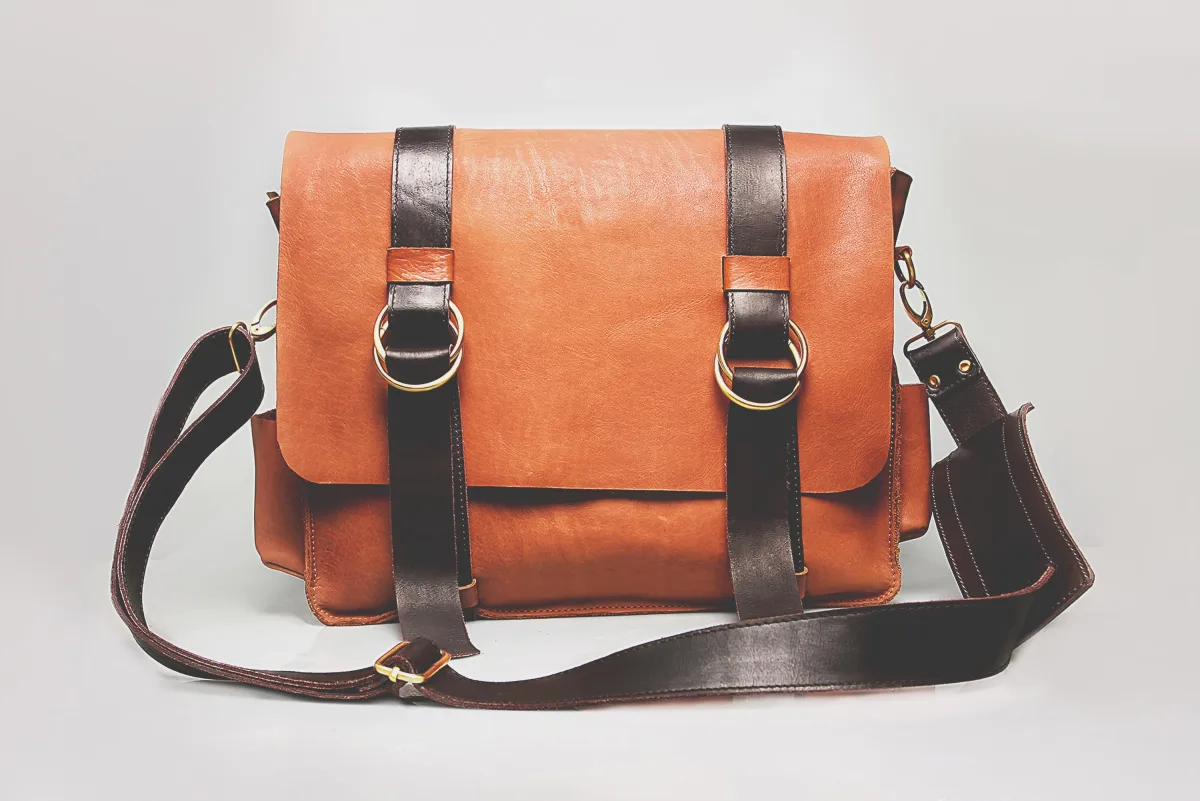
Below the trophy-item tier, competition is intensifying. Brands like Polène (Paris-based, direct-to-consumer), A.P.C., and Longchamp offer structured leather goods with genuine craftsmanship credentials at $150–$500 — a fraction of the $1,500–$3,500 range for comparable Chanel or Louis Vuitton pieces.
For buyers who want quality leather construction without the logo premium, this tier delivers exceptional cost-per-wear ratios. Luxury leather goods are projected to reach $55 billion by 2028 as brand competition at entry tiers intensifies, which means this pricing pressure benefits buyers in the near term.
Prestige Fragrances (frequent legitimate promotional cycles)
Fragrance is the category with the lowest barrier to entry for luxury brand ownership and the most frequent genuine promotional cycles. Department store events — Nordstrom's Beauty Insider events, Sephora's seasonal sales — create real savings on full-size bottles from houses like Maison Margiela, Diptyque, and Le Labo.
A 100ml bottle of Maison Margiela Replica Jazz Club retails at approximately $195. It regularly appears at 15–20% off during department store events, and authorized online retailers occasionally offer deeper discounts on slower-moving scents.
Luxury Eyewear (strong value through authorized opticians)
Luxury eyewear is projected at $21.91 billion by 2028, and designer frames are frequently available through authorized optical retailers at prices meaningfully below boutique retail. Oliver Peoples frames that retail at $450 in brand boutiques are routinely available through LensCrafters or independent opticians at $280–$320 with prescription lenses included. Garrett Leight, a Los Angeles-based brand with strong craft credentials, prices frames at $295–$450 — substantially below the $500–$800 range of comparable European luxury frames.
Quiet Luxury and Emerging Challengers
Brands outside the obvious top 10 — smaller, with lower marketing budgets and less name recognition — are frequently underpriced relative to their quality. A buyer willing to research beyond the well-known names can find cashmere, leather, and tailoring at prices that more accurately reflect production cost than brand premium. This is especially true in the Scandinavian minimalism and Japanese craft segments, where quality is high and marketing spend is low.
The Top Luxury Brands in 2026 and What They Signal for Buyers
According to Modern Luxury's 2026 brand ranking — based on Brand Finance's Luxury & Premium 50 report — the top luxury brands share four characteristics: a brand identity that outlasts personnel changes, robust digital infrastructure, ethical positioning, and cultural relevance. Understanding these traits helps predict pricing behavior.
Hermès and Chanel exemplify structural pricing stability. Their brand identity is independent of any creative director, which means pricing power doesn't fluctuate with personnel changes. Deals on these brands through primary retail are essentially nonexistent. Value, when it appears, comes through the secondary market or entry-level product lines — Hermès scarves, Chanel beauty, small leather goods rather than the iconic pieces that command waitlists.
Brands that underwent "self-correction" in 2025 — those that over-relied on price increases and saw volume stagnate — are the more interesting opportunity in 2026. Within the LVMH portfolio, this dynamic is visible at mid-tier: Givenchy and Celine have both navigated creative transitions that created temporary pricing softness. Within Kering, Gucci's ongoing repositioning under Sabato De Sarno has created a window where previous-season inventory is available at meaningful discounts as the brand shifts its aesthetic direction.
Ralph Lauren's tiered structure is a useful case study in brand architecture. Purple Label — the top tier, with Italian-made suits starting at $3,000 — shares heritage and quality credentials with the broader Ralph Lauren family. Polo Ralph Lauren, the accessible tier, offers Oxford shirts, chinos, and outerwear at $60–$150 that carry the same brand DNA. The quality gap between tiers is real, but it is not proportional to the price gap. This makes Polo Ralph Lauren one of the stronger value propositions in American luxury-adjacent fashion.
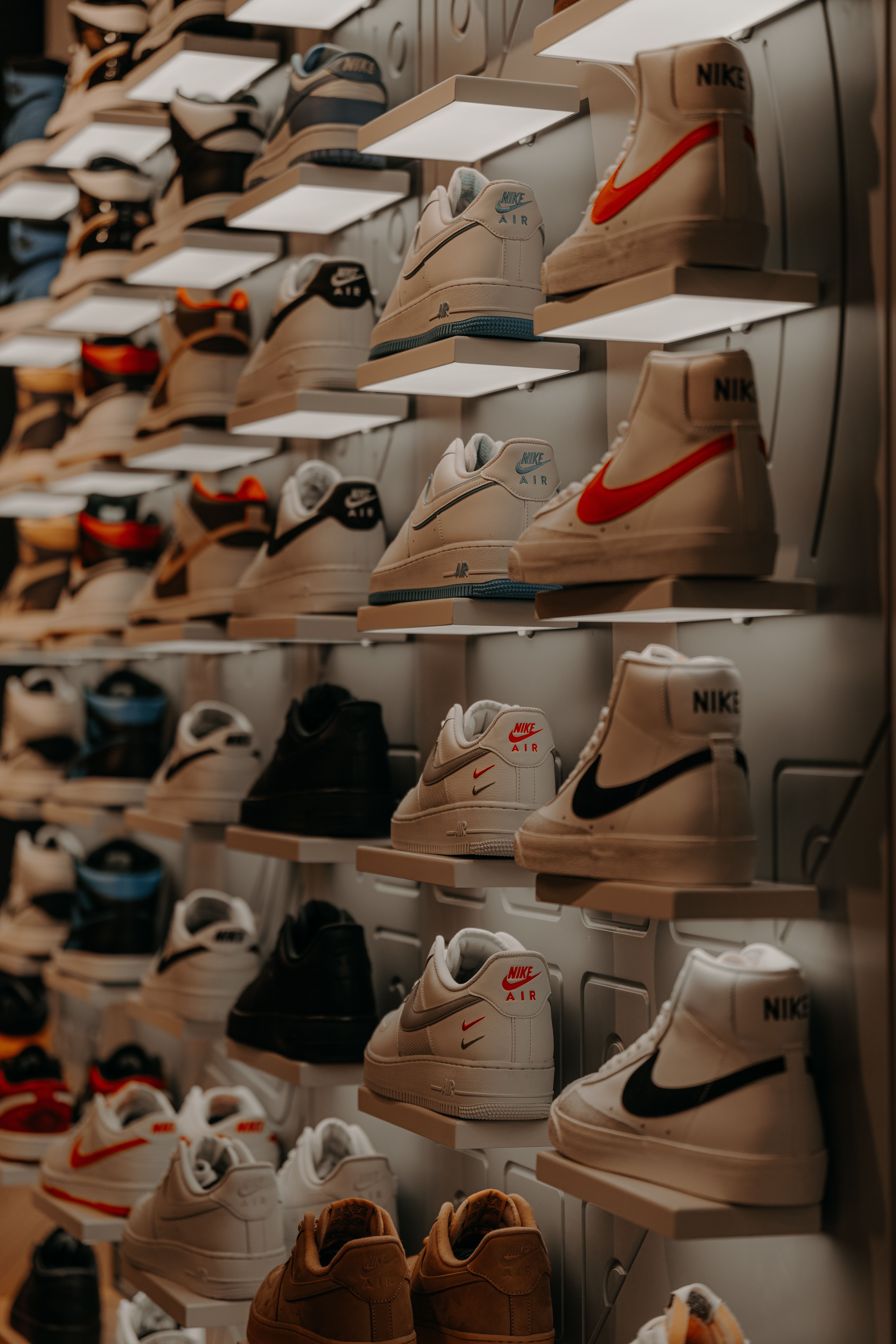
If you're evaluating sneakers from luxury-adjacent brands in 2026, the Nike vs. Adidas vs. New Balance comparison guide and our deeper look at Adidas shoes worth buying in 2026 break down exactly where performance value sits relative to hype premium — useful context before deciding whether a designer sneaker collaboration justifies the markup.
How to Evaluate a Luxury Fashion Deal: A 6-Step Framework
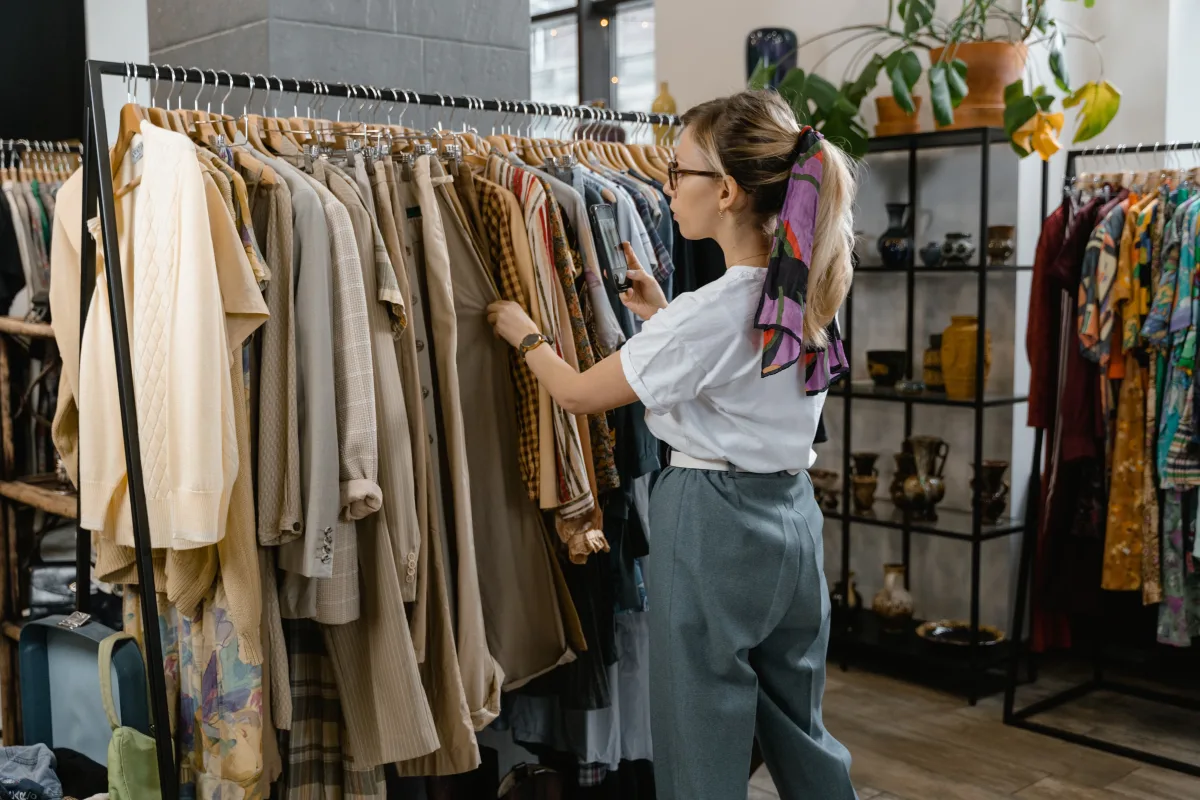
This framework applies regardless of which brand or category you're considering. It's designed to prevent the most common mistakes: buying from unverified channels, overpaying relative to secondary market value, and underestimating total cost of ownership.
1. Authenticate the channel. Authorized retailers, brand outlet stores, and established resale platforms (The RealReal, Vestiaire Collective, Fashionphile) are the only channels where authenticity can be reasonably verified. Marketplace listings on general platforms carry meaningful counterfeit risk in luxury categories.
2. Assess resale liquidity before you buy. Check completed sales — not asking prices — on resale platforms for the specific item you're considering. A Gucci GG Marmont bag in good condition sells for approximately $600–$700 on The RealReal against a retail price of $1,350. That 45–55% retention rate is relevant to your net cost calculation.
3. Calculate cost-per-wear. A $700 cashmere coat worn 150 times over five years costs $4.67 per wear. A $70 fast-fashion equivalent worn 8 times before it pills costs $8.75 per wear. The luxury item is cheaper in use — if you'll actually wear it. Be honest about your lifestyle before applying this math.
4. Map the markdown calendar. January and July are the primary markdown windows globally. Off-price channels receive inventory 3–6 months post-retail. If you can wait, you can save 30–50% on end-of-season luxury goods without compromising on authenticity.
5. Compare within conglomerate tiers. Before purchasing at the top of a brand portfolio, identify what the same conglomerate offers one tier down. The craftsmanship gap is often smaller than the price gap suggests.
6. Account for total cost of ownership. Tailoring a suit jacket costs $75–$200. Storing structured leather properly requires specific conditions. Insuring a watch or handbag worth over $2,000 adds $50–$120 annually. These costs are real and should factor into your deal math.
The Resale Market as a Primary Deal Channel

The luxury resale market is growing faster than the primary market — driven by sustainability awareness, price sensitivity among younger buyers, and the normalization of pre-owned luxury. Authenticated resale platforms have become a mainstream purchasing channel, not a fallback option.
The practical advantage of resale over primary retail is price transparency. Luxury brands deliberately obscure pricing variation. On The RealReal or Vestiaire Collective, completed sale prices are visible. You can see exactly what the market cleared an item for — which gives you a negotiating anchor that primary retail never provides.
Condition grading matters significantly. Vestiaire Collective uses a five-tier system (Never Worn, Excellent, Very Good, Good, Fair); The RealReal uses a similar framework. A bag graded "Very Good" typically shows minor surface wear invisible in everyday use — and prices 25–40% below "Excellent" condition for the same item. For everyday-use pieces like tote bags or leather belts, "Very Good" is often the optimal value tier.
Authentication processes differ between platforms. The RealReal employs in-house authenticators who physically inspect items before listing. Vestiaire Collective uses a hybrid model combining AI-assisted image analysis with human review for items above certain price thresholds. Both systems have documented error rates — neither is infallible — but both are substantially more reliable than unverified marketplace listings. For items above $1,500, request authentication certificates where available.
Certain categories hold or appreciate in resale value with documented consistency. Hermès Birkin and Kelly bags have historically appreciated at rates exceeding inflation. Limited-edition sneaker collaborations between Nike or Adidas and luxury houses — Dior x Jordan, Adidas x Gucci — frequently appreciate immediately post-release. These are not typical luxury purchases; they function more like alternative assets. Understanding this end of the spectrum clarifies why resale value is a legitimate component of deal assessment across the category.
Geographic Arbitrage: How Location Affects Luxury Pricing
Luxury goods are priced differently across geographies, and the gap can be substantial. The US generates the largest single luxury fashion market globally — but US prices are not always the lowest. European VAT refund schemes can make purchasing in France, Italy, or the UK significantly cheaper for non-EU residents.
In France, the standard VAT rate is 20%. Non-EU visitors are eligible for a VAT refund on purchases above €100 at participating retailers, processed through the PABLO electronic refund system at departure. On a €3,000 handbag, that refund represents €500 — a genuine 16.7% reduction in effective cost. The process requires keeping receipts, completing paperwork at the point of sale, and presenting goods at customs before departure. For high-value purchases, that administrative effort pays off.
Cross-border online purchasing introduces import duty complexity. US Customs applies duty on goods valued above $800 imported from most countries. For a $1,500 purchase from a European retailer, duty at the applicable apparel rate (typically 6–12%) adds $90–$180 to the effective cost. Factor this in before assuming a lower listed price on a European retailer's website represents a net saving.
Sustainable and Emerging Brands Worth Watching
One of the most significant underpriced segments in 2026 is sustainable luxury. Brands building on ethical positioning, transparent supply chains, and reduced environmental footprint are increasingly competitive on quality — and frequently underpriced relative to legacy European houses.
The best sustainable and eco-friendly fashion brands in 2026 guide covers this segment in depth, including which brands offer the strongest quality-to-price ratios for buyers who want craftsmanship and ethics aligned.
For buyers focused on athletic and casual contexts, the best athleisure brands beyond Lululemon in 2026 identifies where performance quality meets accessible pricing — including several brands that have moved upmarket with construction credentials that rival the legacy sportswear players.
For size-inclusive shopping, the best plus-size fashion brands in 2026 covers brands that have meaningfully extended size ranges without compromise on materials or cut.
Are Brand Outlet Stores Worth It?
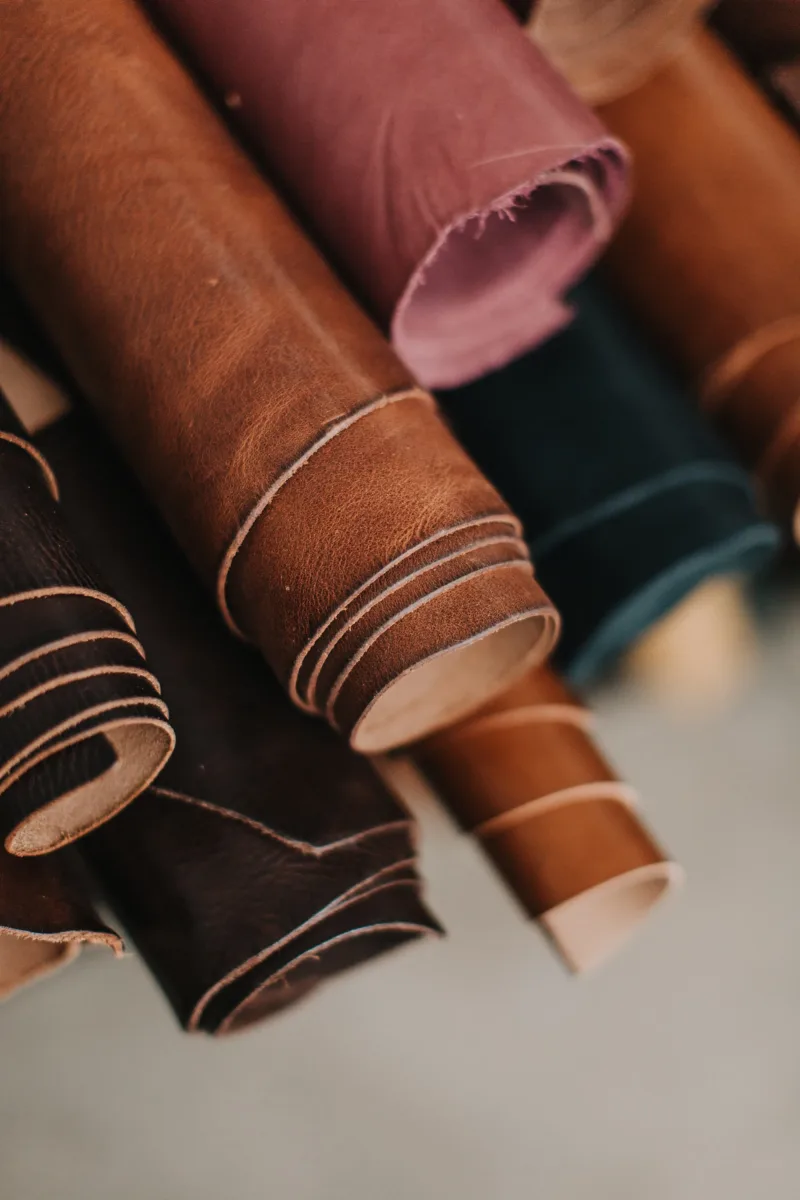
Short answer: yes, with important caveats.
Brand-operated outlet stores — Prada Outlets, Coach Factory, Polo Ralph Lauren Factory — sell authentic goods. The key caveat is that the product mix often includes items manufactured specifically for the outlet channel, rather than pieces that appeared in full-price retail. These "made for outlet" pieces use the same brand name but may differ in materials and construction from mainline products.
How to tell the difference: Full-price retail pieces typically have a style code that matches the mainline collection. Outlet-specific pieces often have slightly different style codes or construction details. If a piece doesn't appear on the brand's primary website at any point, it was likely made for outlet. Neither is inherently bad — outlet-specific Coach leather goods, for instance, still use genuine leather — but you're paying for a different product, not a discounted version of the one in the flagship store.
The best outlet value is typically end-of-season mainline inventory, not outlet-specific merchandise. Ask staff whether a specific piece was sold in full-price retail. Most outlet associates will tell you straightforwardly.
Frequently Asked Questions
What is the best time of year to buy luxury fashion at a discount?
January and July are the two primary markdown windows globally, corresponding to end-of-season clearance. Off-price channels like Saks Off 5th and Nordstrom Rack typically receive luxury inventory 3–6 months after primary retail, meaning the best off-price selection appears in February–March and August–September.
Are luxury goods at outlet stores authentic?
Yes — brand-operated outlet stores sell authentic goods. However, many outlet items are manufactured specifically for the outlet channel, not marked-down versions of mainline products. Verify whether a specific item was sold in full-price retail before assuming outlet pricing represents a discount on a flagship piece.
How do I verify authenticity when buying luxury resale?
Use established authenticated platforms — The RealReal, Vestiaire Collective, Fashionphile — rather than general marketplaces. For high-value items above $1,500, request authentication documentation. Physical inspection of hardware, stitching, date codes, and dust bags against brand-specific authentication guides (available from communities like PurseForum) provides an additional verification layer. Professional authentication services like Entrupy or Real Authentication can assess items for a fee if you're uncertain.
Is the affordable luxury segment worth considering, or does it compromise on quality?
The affordable luxury segment — brands like Coach, Tory Burch, Ted Baker, and Kate Spade — offers genuine leather construction, brand heritage, and secondary market liquidity at price points 60–80% below top-tier luxury. Quality is real, though materials and construction do not match the handwork found in top-tier European houses. For buyers who want luxury-adjacent quality and brand recognition without the trophy-item premium, this tier delivers strong value.
What about clothing subscription boxes for discovering new brands?
Subscription boxes like Stitch Fix can serve as a low-friction way to discover emerging designers and luxury-adjacent brands without the commitment of full retail price. The Stitch Fix vs. Trunk Club vs. Nordstrom comparison for 2026 breaks down which service best suits different budgets and style goals.
Should I consider luxury winter outerwear as an investment category?
Yes — structured outerwear is one of the higher-retention categories in luxury resale. A well-constructed wool overcoat from a strong brand holds value across seasons and resale platforms. The best winter coats and outerwear guide for 2026 covers options across budget tiers, with notes on which brands show the strongest secondary market retention.
We may earn a commission when you click links on this page and make a purchase. This does not influence our editorial recommendations, which are determined independently. Read our full affiliate disclosure → | How we research →