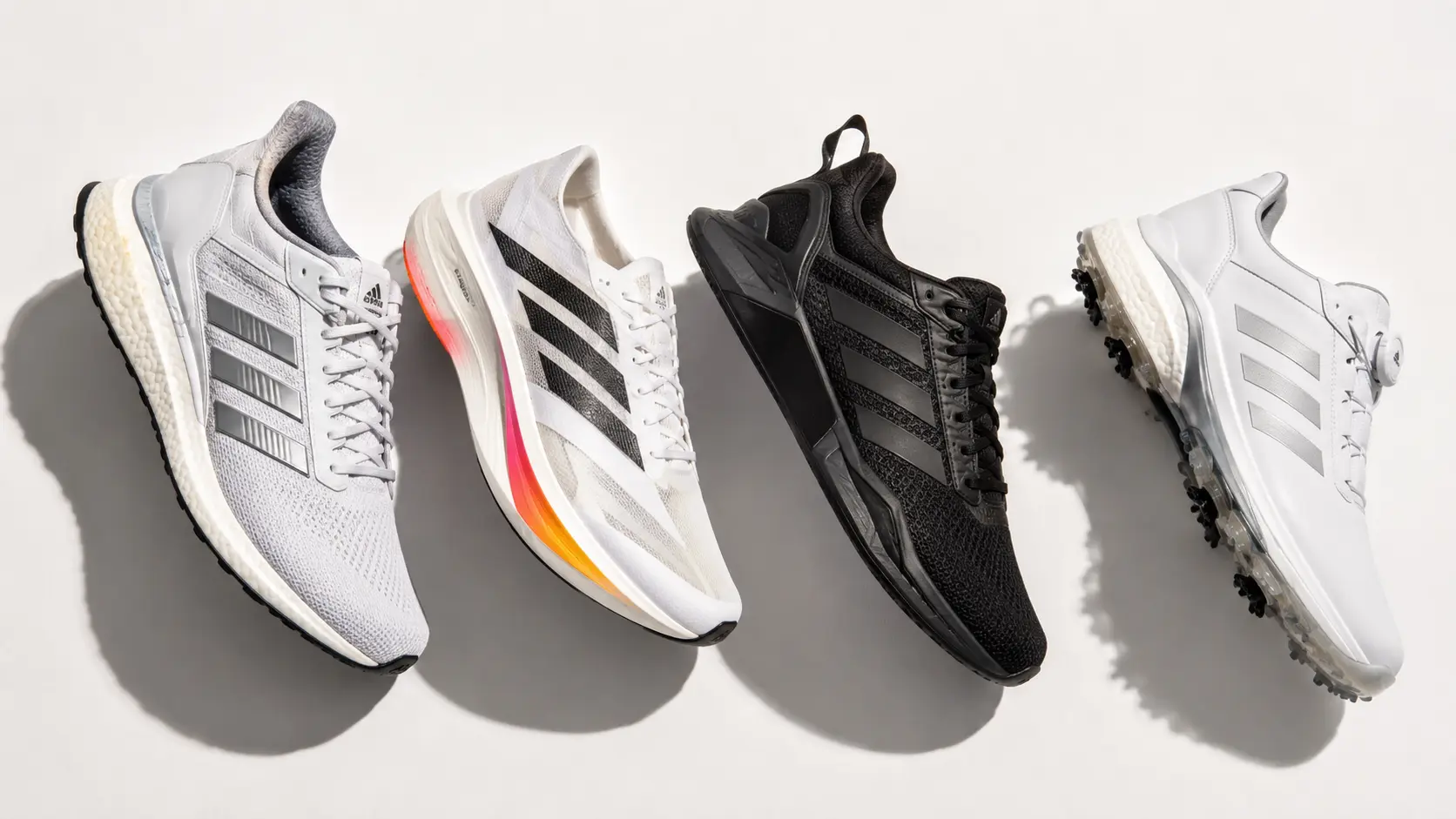
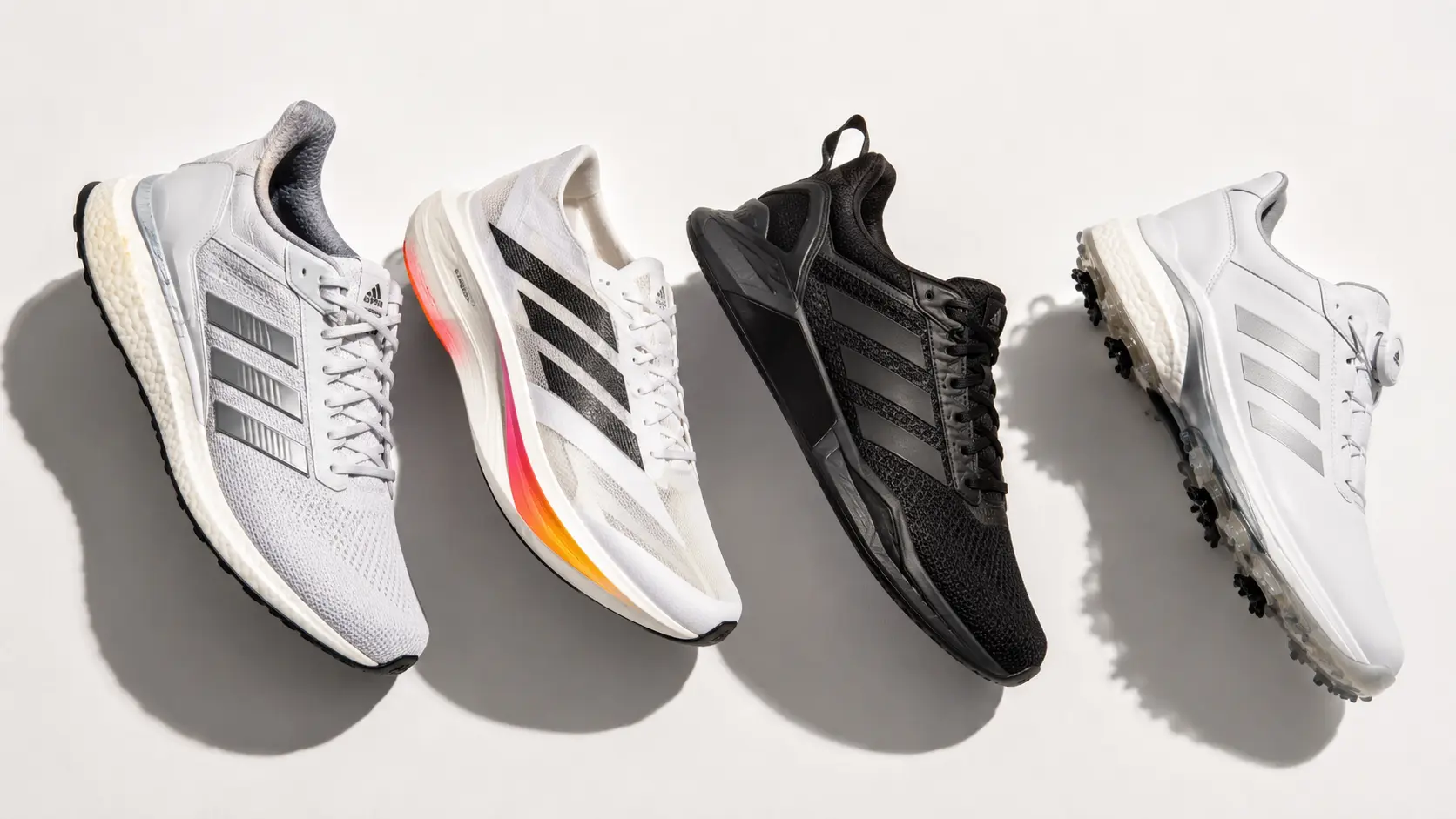
The most common Adidas buying mistake isn't picking the wrong colorway. It's buying a running shoe for the gym, or a race shoe for a wide foot — and not realizing it until mile three.
The quick verdict: There is no single "best Adidas shoe" in 2026. There's a best shoe for your activity and your foot shape. If you want one safe daily runner, the Ultraboost 5X is the lowest-risk pick. For heavy lifting and gym work, the Drop Set 4 is the right tool. For race day, the Adizero Adios Pro 4. The biggest mistake we see: buying based on looks and using a running shoe to squat in. This guide is built to stop that.
This guide is based on manufacturer specifications, independent test data from Runner's World, The Run Testers, RunRepeat, and Today's Golfer, and verified owner feedback. It does not reflect hands-on testing by Trusted Buyer Report. We cite our sources by name so you can verify. Affiliate links are present; we may earn a commission at no extra cost to you.
At a Glance: Best Adidas Shoe for Each Job
Your goal | Top pick | Why it wins | Watch out for |
|---|---|---|---|
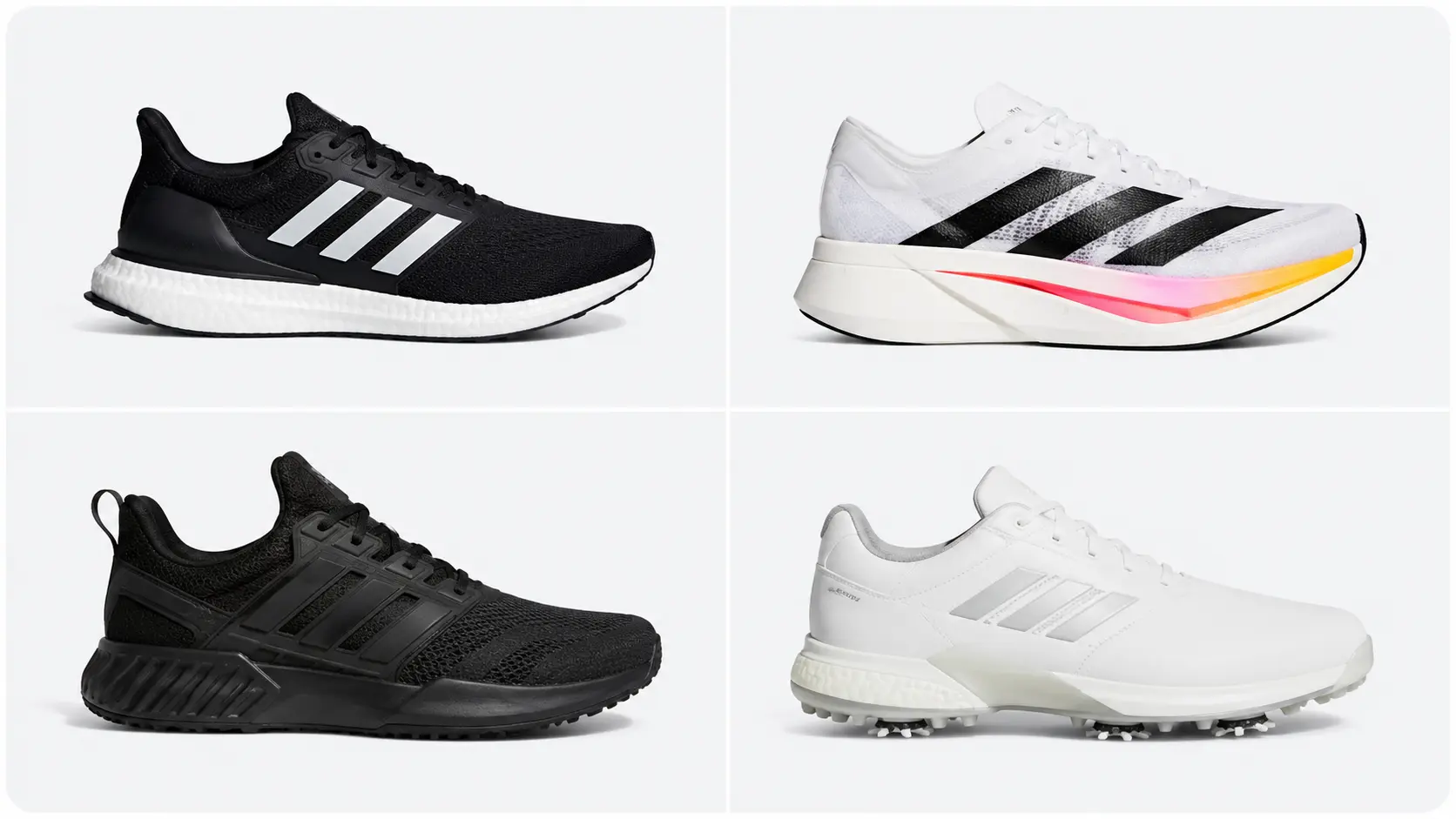
Daily running & recovery | Ultraboost 5X | Lightest Ultraboost ever; no break-in required | Not a racing shoe |
Value performance running | Adizero EVO SL | Lightstrike Pro stack at a mid-range price | Tapered toe box — bad for wide feet |
Race day & tempo runs | Adizero Adios Pro 4 | Carbon energy rods + Lightstrike Pro for fast rollover | Race/tempo only; not a daily trainer |
Max cushioning / tech | Adizero Prime X3 STRUNG | Tall stack, big bounce, breathable STRUNG upper | Heavy (10.8 oz); niche appeal; pricey |
Elite racing | Adios Pro Evo 1 | Lightest in the lineup at 7.1 oz | $500, low durability, hard to find |
Heavy lifting / gym | Drop Set 4 | Flat, stable platform for force transfer | Not ideal for lateral/HIIT-heavy sessions |
Gym + wide (2E) foot | Drop Set Trainer / Drop Set Control | True to size across narrow, medium, and 2E | — |
Beginner or budget gym | Rapid Move Go | Lightweight, true to size, no fit surprises | Fewer specialized features |
Golf | Adipower range | Tour-validated stability + all-day comfort | Choose spiked vs. spikeless based on terrain |
How Adidas's 2026 Lineup Actually Changed
This isn't a cosmetic refresh. Adidas's 2026 range is a structural shift toward lightweight, foam-forward performance — and understanding three foam platforms will tell you more about any shoe than its name ever will.
BOOST — the comfort and durability standard. Best when longevity and all-day cushioning beat outright speed.
Lightstrike Pro — the race-day foam: springy, propulsive, and paired with carbon rods in the fastest shoes.
Lightboost — sits between the two. It powers the Ultraboost 5X as a lighter alternative that keeps everyday comfort.
The weight numbers show exactly where each shoe sits on that spectrum. The Run Testers measured the Adizero EVO SL at 7.9 oz (224 g) at a UK size 9; the Adios Pro Evo 1 comes in at just 7.1 oz (201 g). At the other end, RunRepeat clocks the Adizero Prime X3 STRUNG at 10.8 oz (305 g) — heavy for a race shoe, but with exceptional shock absorption and a breathable upper. Neither is objectively "better." They're built for different jobs.
One detail that matters for durability: upper material is category-specific across the 2026 lineup. Running shoes use breathable knit — great airflow, not designed for lateral stress. Golf shoes use leather and synthetic uppers built to outlast knit. Gym and basketball shoes use reinforced mesh for multi-directional movement. Buy a running shoe for the gym and you're fighting the upper design, not just the midsole.
Adidas Sizing in 2026: What "True to Size" Actually Means
"True to size" is used as a catch-all that hides real variation. Here's what it actually means by category:
Gym and training (Drop Set line, Rapid Move line): True to size for most widths, including 2E. Reviewers specifically note the Drop Set Control fits truer on a 2E foot than many alternatives. The Rapid Move Go is a safe pick for beginners still learning their sizing across brands.
Daily running (Ultraboost 5X, Hyperboost Edge): True to size for standard and medium widths. The Hyperboost Edge — one of Adidas's softest 2026 dailies — has been confirmed true to size with no width concerns for standard feet.
Performance running with tapered toe boxes (EVO SL, Adios Pro line): True to size in length, but RunRepeat flags the EVO SL's toe box as narrowing aggressively toward the front. Wide-footed runners should either size up a half or choose a roomier model.
Elite race (Adios Pro Evo 1): Limited availability makes sizing tricky — try in-store if you can.
Rule of thumb: Wide forefoot + Adizero line = size up a half, or pick something with a rounder toe box.
Best Adidas Running Shoes in 2026
These picks are ranked by who they're for, not by hype. Each one tells you why it earns its spot — and who should skip it.
Best for Daily Training and Recovery: Ultraboost 5X
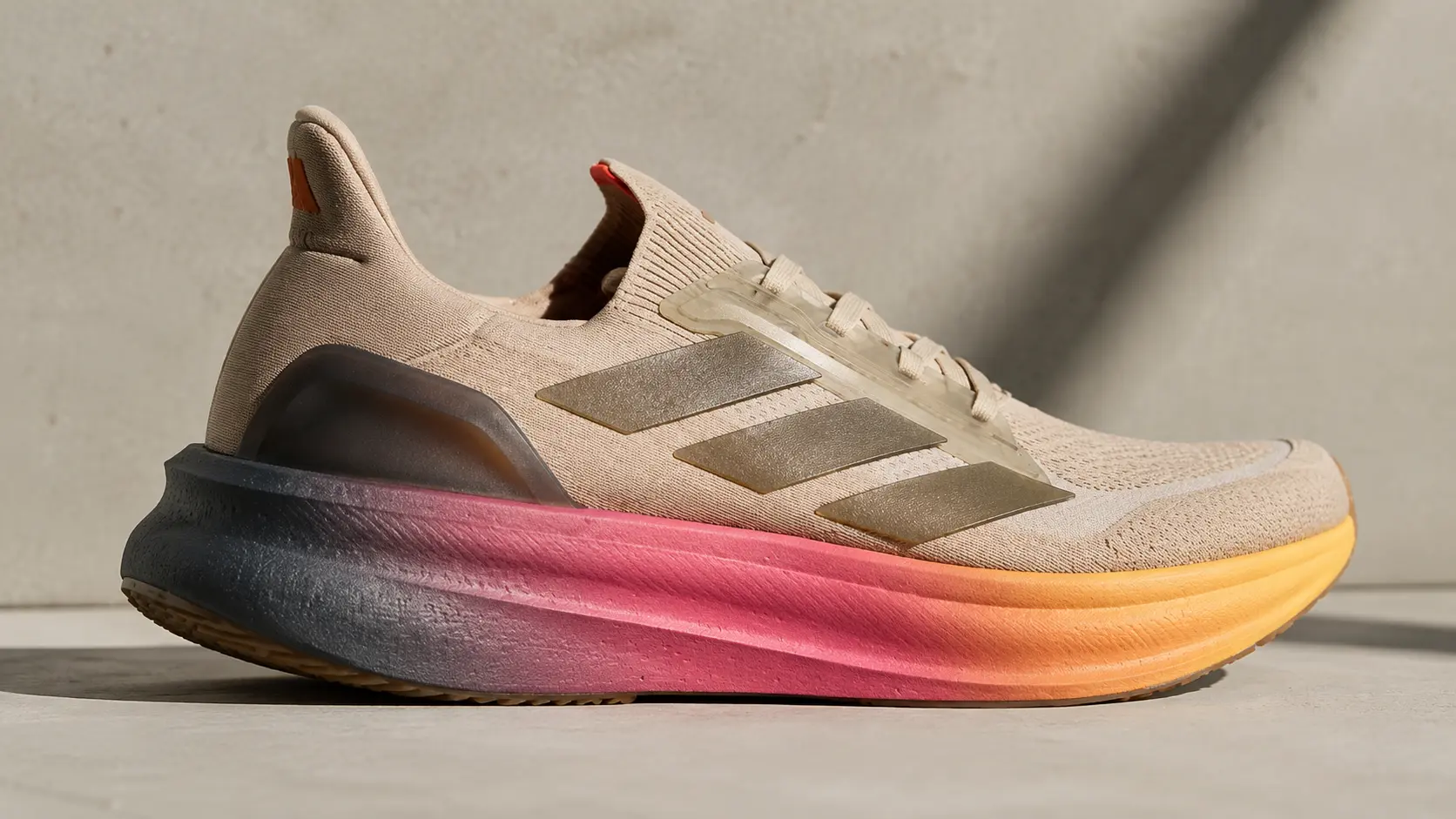
Best for: runners who value comfort and consistency over speed; beginners; anyone who wants to get out the door without worrying about fit.
The Ultraboost 5X is the lowest-risk daily shoe in the Adidas 2026 lineup. Runner's World testers gravitated toward everyday and recovery miles in it, noting the forgiving knit upper and underfoot cushioning. The Lightboost midsole makes it the lightest Ultraboost Adidas has ever built. A built-in torsion system — a structural bridge between forefoot and heel — plus a molded external heel counter add midfoot support and stability without meaningful added weight.
Pros: Comfortable from the first run. No break-in. Stable underfoot. True to size. Cons: Not a racing shoe. If you want propulsive pop and fast turnover, look at the EVO SL or Adios Pro 4.
Best Value Performance Shoe: Adizero EVO SL
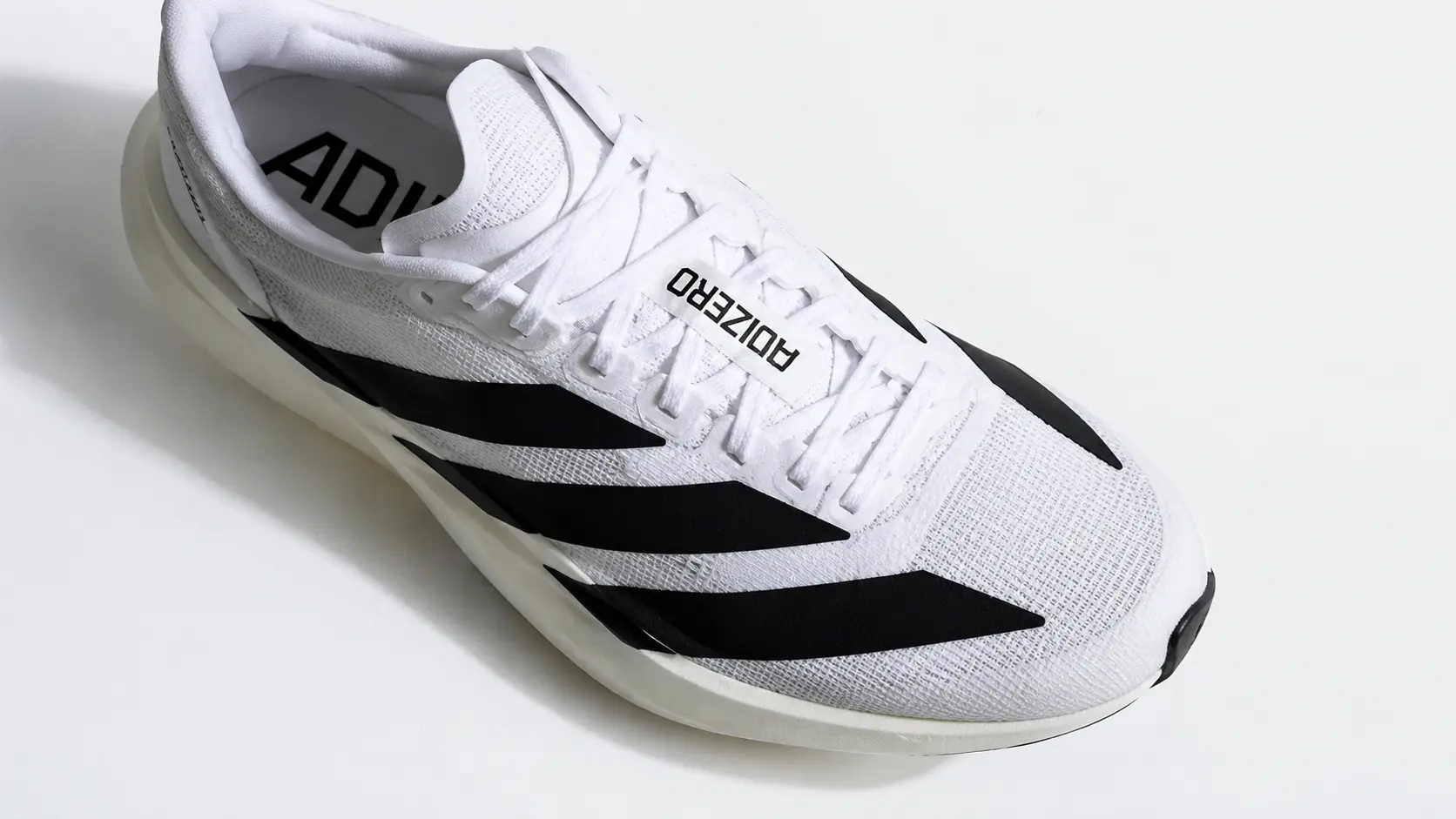
Best for: experienced runners who want race-shoe feel without race-shoe pricing — and have standard-width feet.
At 7.9 oz, the EVO SL pairs a high Lightstrike Pro stack with a minimal, lightweight build. The Run Testers flagged it as one of the most talked-about value picks in the market right now. The 6 mm heel-to-toe drop suits runners who prefer a moderate transition rather than a low-drop aggressive stance.
Pros: Excellent price-to-performance ratio. Light. Propulsive underfoot feel. Cons: The aggressively tapered toe box makes it a poor choice for wide-footed runners. If your forefoot is wide, this shoe will punish you by the back half of a run.
Current price: $150. Verify at Adidas.com or Amazon.
Best for Race Day and Fast Training: Adizero Adios Pro 4
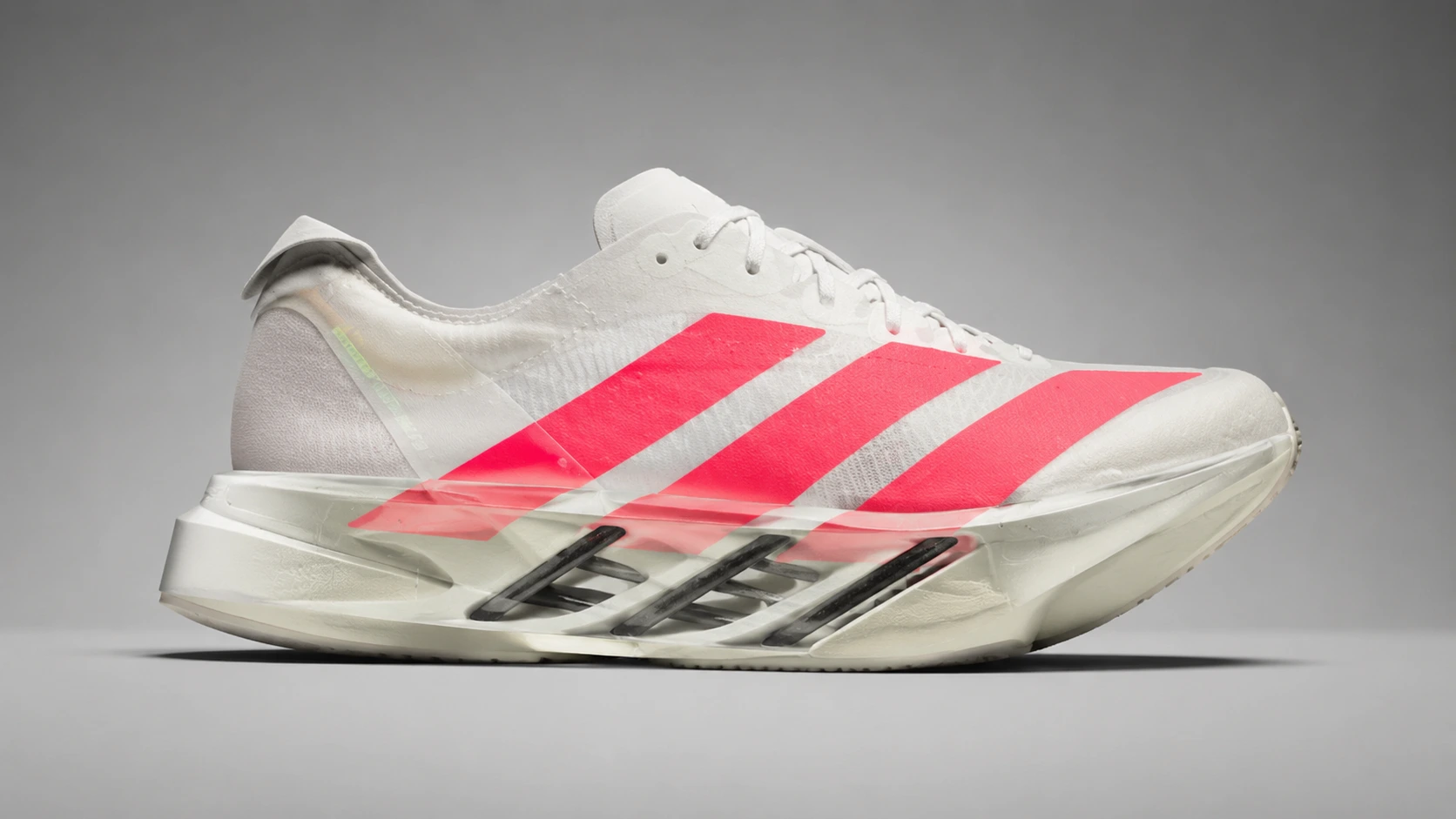
Best for: runners chasing a time goal on race day, or anyone logging hard tempo sessions who wants real mechanical assistance.
The Adios Pro 4 pairs Lightstrike Pro foam with carbon-infused energy rods in the midsole to generate a fast, forward-rolling toe-off. Runner's World tester Mike Browne described the feel as the shoe absorbing each impact and springing it back, with the geometry encouraging a quick rollover that keeps you off your heels. (See the original Runner's World review for the full assessment.)
Pros: Genuinely propulsive. Encourages efficient turnover. Built specifically for speed. Cons: This is a race and tempo shoe — not an everyday trainer. Rotating it into daily use will shorten its lifespan faster than the price justifies.
Current price: Adidas.com | Amazon
Best for Max Cushioning and Tech Exploration: Adizero Prime X3 STRUNG
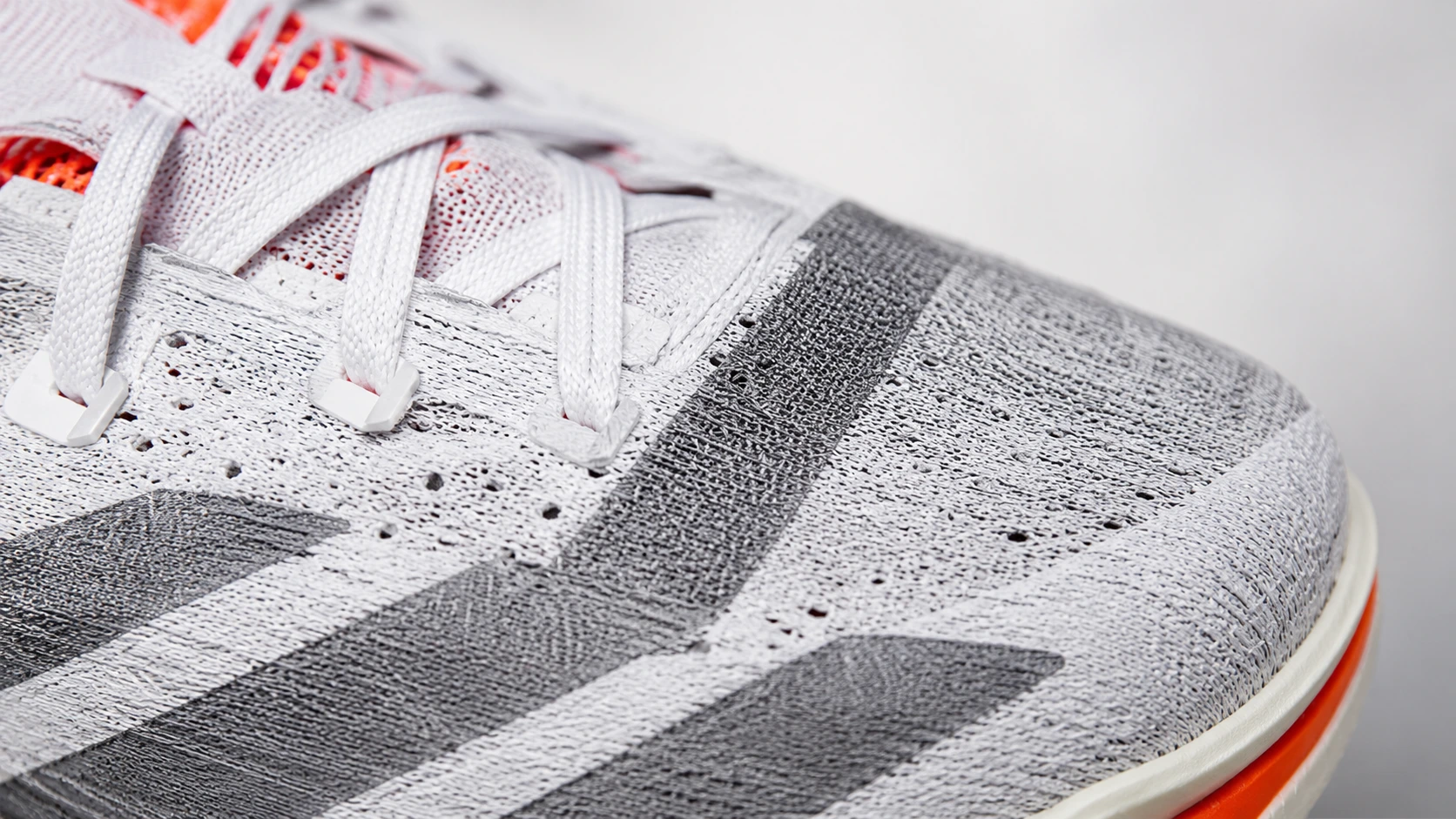
Best for: runners who want to experience Adidas's most experimental platform and don't mind the trade-offs.
RunRepeat sums it up as a blast — if it suits you. The tall stack delivers exceptional shock absorption and a genuinely bouncy ride. The STRUNG upper is both breathable and visually distinct. But at 10.8 oz (305 g), it's too heavy for most race contexts, and heel strikers often feel unstable on the high midsole stack.
Pros: Outstanding cushioning. Fun, bouncy ride. Technically interesting STRUNG upper. Cons: Heavy for racing. Expensive. Niche — not an everyday answer for most runners.
Price range: $214–$305.
Best for Elite Racers (Almost No One Else): Adios Pro Evo 1
Best for: competitive racers with the budget — and not many others.
At 7.1 oz, the Adios Pro Evo 1 is the lightest shoe in the Adidas lineup. But The Run Testers are direct about its limitations: it's expensive, genuinely hard to find in consistent sizing, and not built for durability. It's aimed at elite-level performance over a race or two, not 400 miles of training.
Pros: Featherweight. Top-tier race performance. Cons: $500 price point. Short lifespan by design. Limited retail availability makes sizing tricky.
For most runners, the Adios Pro 4 or EVO SL delivers more value per dollar.
Best Adidas Gym and Training Shoes in 2026
Here's the thing most people skip: running shoes are actively wrong for the gym.
A running shoe's soft, forward-driving midsole is precisely the wrong property for squatting, deadlifting, or lateral agility work. Soft midsoles compress under load, shifting your weight forward and reducing force transfer into the floor. Adidas's 2026 gym range solves this with a distinct lineup for distinct training styles.
Model | Best for | Notes |
|---|---|---|
Drop Set 4 | Heavy lifting, mixed strength + conditioning | Flat, stable platform; most versatile gym pick |
Drop Set Trainer | Lifting, wider feet | True to size across narrow, medium, and 2E widths |
Drop Set Control | Structured support, 2E foot | Newer addition; truer fit on wider profiles than Drop Set 4 |
Drop Set 3 | Budget lifting | Older model, heavily discounted in 2026; strong value |
Rapid Move Pro | HIIT and lateral conditioning | Built for dynamic, multi-directional sessions |
Rapid Move Go | Beginners, budget-first | Lightweight, true to size, no major fit concerns |
How to choose fast: Lifting-first → Drop Set 4. Wide foot → Drop Set Trainer or Control. Conditioning and HIIT → Rapid Move Pro. New to training or budget-constrained → Rapid Move Go.
Best Adidas Basketball Shoes in 2026
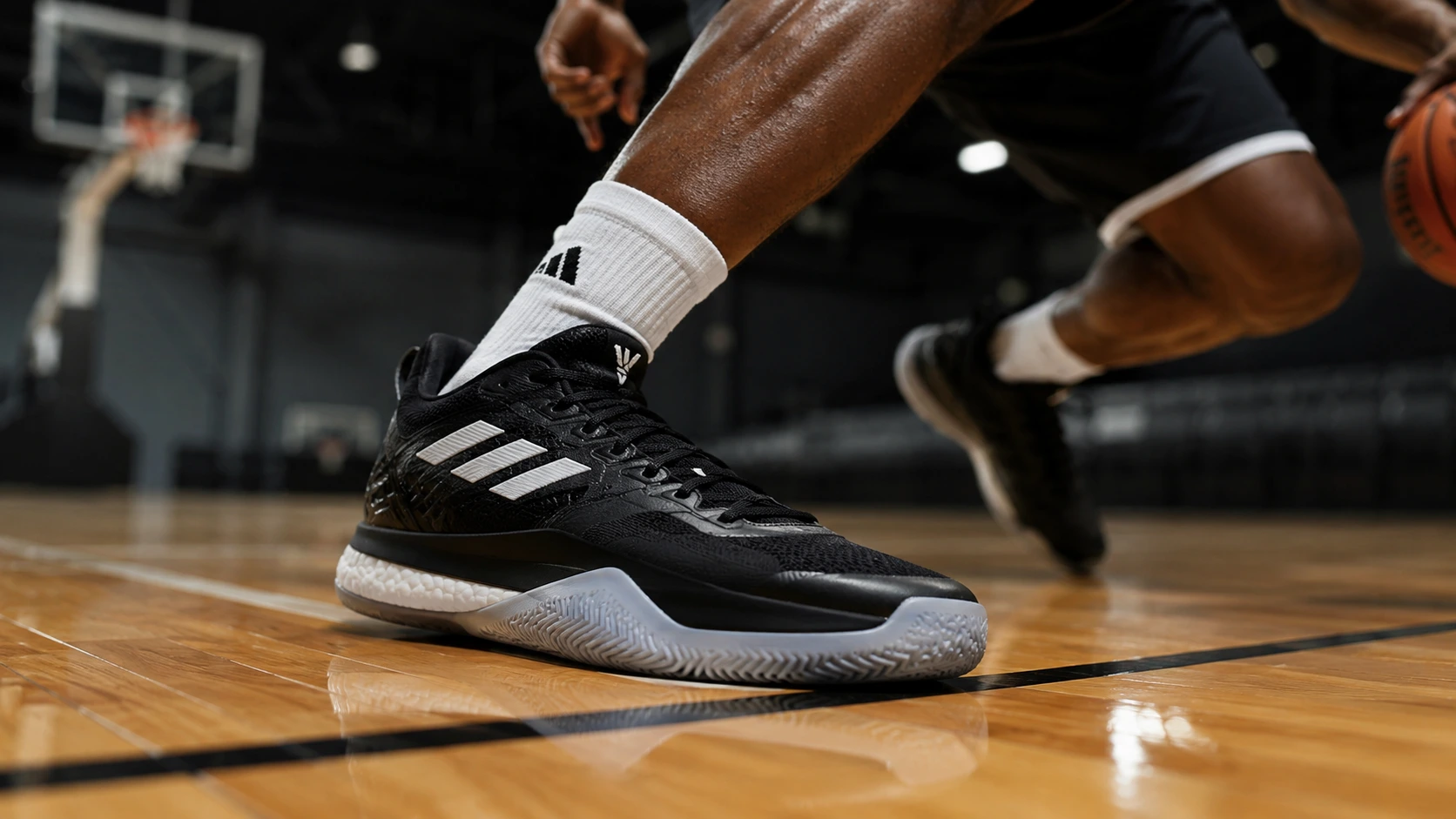
Basketball buying gets distorted by colorways and signature-athlete branding. The most useful 2026 evaluation methodology we found stripped those factors entirely — ranking each Adidas hoops shoe on first-step comfort, responsiveness, and lateral lockdown before checking the model name.
The standout finding: shoes that impressed on first wear tended to hold their ranking after extended use. Adidas's 2026 hoops cushioning isn't front-loaded — it doesn't feel great out of the box and then collapse under a season of use.
The real differentiator in testing: traction on dusty courts. Indoor courts pick up dust quickly, and many shoes lose meaningful grip within a single session. Shoes that maintained traction on a dusty surface consistently outranked those that didn't, regardless of how the foam felt.
Practical takeaway before you buy: Prioritize fit and lateral lockdown over looks. A shoe that's loose during cuts underperforms regardless of its foam or plate. If you can try a pair in-store and do a few lateral shuffle steps before buying, do it — no amount of spec-reading replaces that test.
Note: Adidas hasn't yet confirmed which specific basketball models carry over from 2025 or launched new signature lines for 2026. We'll update this section as confirmed release data becomes available. [INTERNAL LINK: Adidas store review — trustedbuyerreport.com/store/adidas]
Best Adidas Golf Shoes in 2026
Adidas brings real engineering resources to golf — it's the second-largest sportswear company in the world, per Today's Golfer — and its 2026 lineup is tour-validated, with Collin Morikawa, Dustin Johnson, and Xander Schauffele wearing the brand at major events.
The Adipower range is the standout for most recreational golfers. Per Golf Gear Direct, it sits between tour-level structure and everyday wearability — a locked-in, stable platform that holds through the swing without punishing your feet over 18 holes. BOOST and Lightstrike cushioning provide energy return that matters more than most golfers expect, especially when walking a hilly course rather than riding a cart.
How to choose within the golf line:
Spiked: Superior traction on wet or hilly terrain. Best if swing stability is your priority over off-course versatility.
Spikeless: Works on and off the course. Best if you want one shoe from the parking lot to the fairway.
Waterproofing: Available across the range. Essential for early morning rounds and wet climates. Leather and synthetic uppers handle waterproofing more reliably than knit over the long term.
One note on review quality in this category: Today's Golfer evaluates each shoe over extended wear rather than a single round, which gives those assessments more practical weight than one-session impressions.
Adidas Foam Explained: BOOST vs. Lightstrike Pro vs. Lightboost
Adidas's foam naming has gotten genuinely confusing, and that confusion costs buyers money. Here's what each one actually does:
Foam | Primary trait | Best for | Found in |
|---|---|---|---|
BOOST | Energy return + durability | Daily wear, comfort running, golf | Ultraboost line, golf shoes |
Lightstrike Pro | Springy, propulsive, lightweight | Racing, fast training | EVO SL, Adios Pro 4, Prime X3 STRUNG |
Lightboost | Lighter than BOOST, keeps comfort | Daily and moderate-pace running | Ultraboost 5X |
BOOST is the original premium foam: durable, comfortable, reliable energy return over many miles. Choose it when longevity and all-day cushioning beat speed.
Lightstrike Pro is the performance evolution. Per Runner's World, it works with carbon-infused energy rods in the Adios Pro 4 to drive a propulsive ride that competitive runners feel immediately.
Lightboost powers the Ultraboost 5X — making it the lightest Ultraboost ever built while keeping the everyday comfort daily runners expect.
One buyer-beware: If you see "Lightstrike Pro" on a gym shoe, you may be paying for race-day technology that weight training simply doesn't need. Standard Lightstrike and BOOST are the better all-day options for gym use.
Frequently Asked Questions
Are Adidas shoes true to size in 2026? It depends on the model and your foot width. Gym shoes in the Drop Set and Rapid Move lines run true to size for narrow, medium, and wider (2E) feet. Daily runners like the Ultraboost 5X are true to size for standard widths. Performance runners with tapered toe boxes — the Adizero EVO SL in particular — fit true in length but feel tight for wide-footed runners. Size up a half in the Adizero line, or choose a roomier model.
What's the best Adidas running shoe for beginners in 2026? The Ultraboost 5X. It's comfortable from the first run, has a forgiving knit upper and a Lightboost midsole that cushions without feeling unstable, and needs no break-in period. The EVO SL is a better pick for experienced runners chasing performance — its tapered toe box and firmer Lightstrike Pro platform are less forgiving for newer runners still developing their form.
Which Adidas gym shoe is best for heavy lifting? The Drop Set 4. Its flat platform keeps your foot close to the ground during squats and deadlifts, improving force transfer and eliminating the instability that soft running midsoles create under load. The older Drop Set 3 is a strong discounted alternative if budget is your priority.
Can I use Adidas running shoes for the gym? Not ideally. Running shoes are engineered for forward momentum on a soft, cushioned midsole — the opposite of what heavy lifting and lateral training demand. The knit upper also isn't designed for multi-directional stress. For gym work, choose a shoe from the Drop Set or Rapid Move range.
Which Adidas shoe is best for wide (2E) feet? For gym training: the Drop Set Trainer or Drop Set Control, both confirmed true to size across 2E widths. For running: avoid the tapered Adizero EVO SL; look to roomier daily trainers or size up a half in the Adizero line.
How does Adidas compare to Nike for running shoes in 2026? Both brands run distinct foam platforms at different price points. Nike's ZoomX (found in Vaporfly and Alphafly) and Adidas's Lightstrike Pro (Adios Pro 4) compete directly in the carbon-plate race shoe category. For daily trainers, Nike's Pegasus range and Adidas's Ultraboost line are the most comparable alternatives. Fit is the deciding factor for most runners — Adidas tends to offer a slightly wider toe box across its non-Adizero running range, while Nike's standard lasts run narrower. Try both if you can.
Reviewed by the Trusted Buyer Report editorial team. This article was researched and drafted with AI assistance, then reviewed and fact-checked by a human before publishing. Trusted Buyer Report may earn a commission from purchases made through links on this page, at no extra cost to you. Full disclosure · How we review