Trusted Buyer Report may earn a commission when you buy through links on this page. Our rankings are finalized before any affiliate link is added. How we review.
Here's the number that reframes the whole conversation: Lululemon's brand approval rating among young US adults sits at just 9.82%, according to sportswear survey data from Market.us News. The brand that essentially invented premium athleisure now trails Nike and Adidas by a wide margin in the very demographic it built its business on.
The short answer: in 2026 you no longer need Lululemon to get Lululemon-level quality. Alo Yoga and Vuori match it on style, On and Hoka beat it on footwear performance, Girlfriend Collective beats it on sustainability and sizing, and the value tier gets you 80% of the function at a fraction of the price. This guide maps all five tiers so you can match a brand to your actual needs — not to a marketing budget.
TL;DR: Best Athleisure Brands by Priority
- Best all-around reliability: Nike, Adidas, Athleta
- Best studio-to-street style: Alo Yoga (high-visibility) or Vuori (understated)
- Best for runners and serious training: On Running, Hoka, ASICS, New Balance
- Best verified sustainability + inclusive sizing: Girlfriend Collective, Patagonia, PANGAIA
- Best on a budget: True Classic, Decathlon, UNIQLO, H&M Sport
Athleisure Brand Comparison Table (2026)
| Tier | Brands | Price level | Strongest at | Honest limitation |
|---|---|---|---|---|
| Established giants | Nike, Adidas, Athleta | $$–$$$ | Footwear tech, availability, returns | Weak on niche needs and extended sizing |
| Style challengers | Alo Yoga, Vuori | $$$ | Studio-to-street aesthetics | Lululemon-level prices |
| Performance-first | On, Hoka, ASICS, New Balance, Brooks | $$–$$$ | Running/training technology | Apparel lines still thinner than footwear |
| Sustainability-led | Girlfriend Collective, Patagonia, PANGAIA | $$$ | Traceable materials, certifications | Recycled fabrics cost more |
| Value tier | True Classic, Decathlon, UNIQLO, H&M Sport | $ | Everyday basics | Adequate, not optimized, performance |
Why Is Lululemon No Longer the Default Choice in 2026?
Lululemon isn't collapsing — it's maturing into a crowded market it helped create. Industry analysts point to consumer fatigue and direct competitive pressure from Alo Yoga and Vuori as the main headwinds after a decade of near-uninterrupted growth.
The geographic data tells the same story. In February 2026, Lululemon opened its 100th store in the EMEA region, according to Future Market Insights. Aggressive international expansion is a classic signal that home-market growth has plateaued: when a brand starts counting milestones in regions it entered late, the US market is no longer doing the heavy lifting.
Meanwhile, the tide keeps rising for everyone else. The global athleisure market is projected to grow at a 9.37% compound annual rate through 2035, per Precedence Research. That growth is funding real alternatives at every price point — which is genuinely good news for you as a shopper. Choosing well now requires actual comparison rather than brand habit.
How the 2026 Athleisure Market Is Structured
Before comparing brands, it helps to know the map you're navigating — because price differences between tiers don't always reflect proportional quality differences.
Three structural facts matter most:
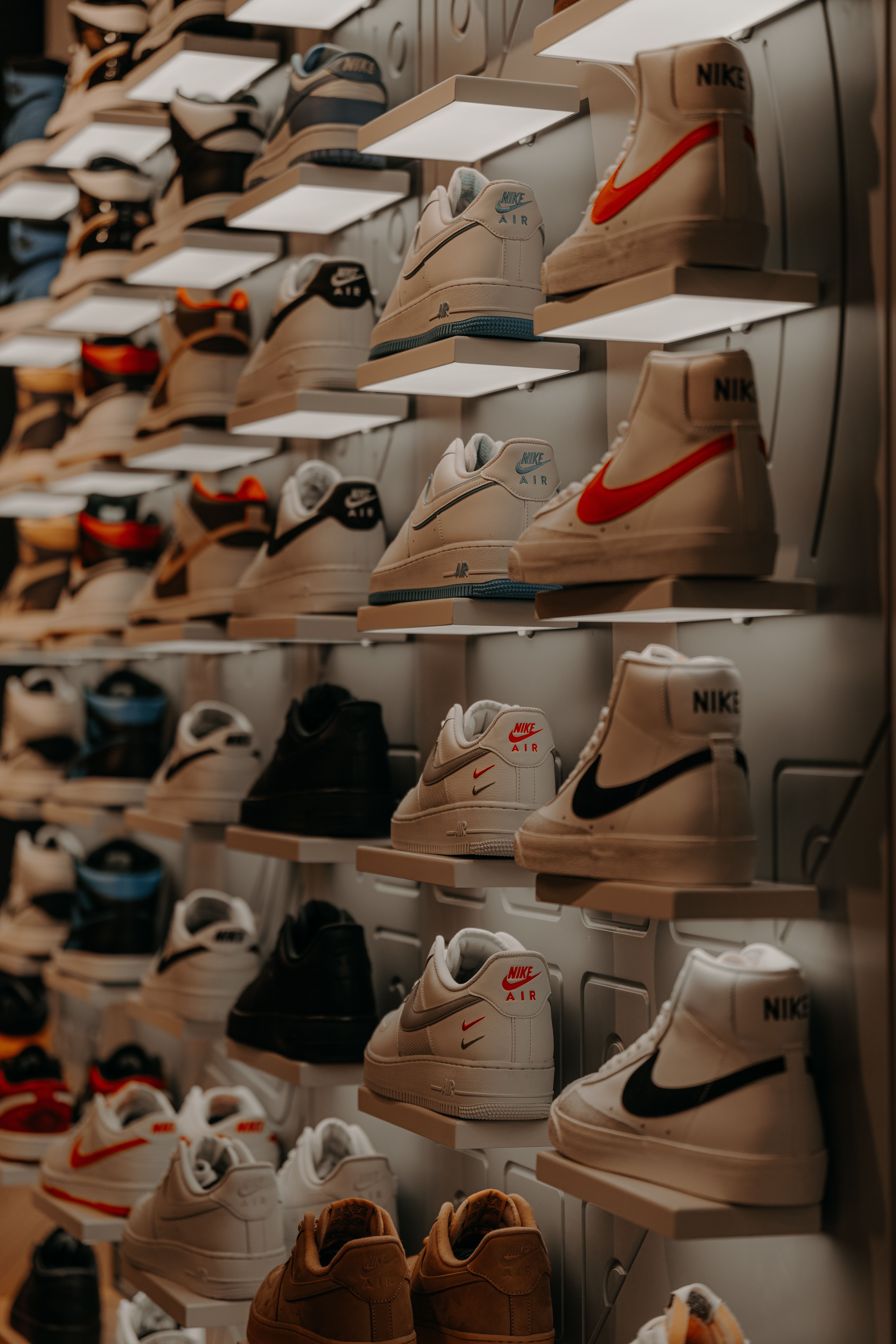
- Clothing still dominates, but footwear is where the innovation is. Apparel contributed 55.86% of athleisure revenue in 2025, per Mordor Intelligence, but footwear is the fastest-growing segment at a projected 9.57% CAGR from 2026 to 2031. If you're building a wardrobe from scratch, start with shoes — that's where your dollar buys the most technology. Our sneaker showdown between Nike, Adidas, and New Balance breaks down that segment model by model.
- Luxury fashion has permanently merged with sportswear. For SS26, Christian Louboutin showed an American football-inspired collection, and Miu Miu collaborated with New Balance and tennis star Coco Gauff, as reported by ELLE. If designer crossovers appeal to you, our guide to scoring luxury and designer fashion deals in 2026 covers how to buy that tier without paying full retail.
- Smart fabrics and eco materials are the two innovation drivers. Fortune Business Insights identifies sensor-integrated clothing and eco-friendly materials as the forces reshaping product lines. Practical implication: what you buy today will feel dated faster than previous activewear generations, so versatility matters more than ever.
The Established Giants: Nike, Adidas, and Athleta
Nike and Adidas are interesting in 2026 not because they dominate, but because they're being forced to earn that dominance through innovation rather than distribution scale alone.
The technology is real, not marketing. Nike's ZoomX foam (lightweight EVA infused with supercritical nitrogen) and Adidas's Lightstrike cushioning represent genuine performance advances that have filtered from elite sport into everyday footwear, as documented by Mordor Intelligence. Seeing those specific names on a product page is a meaningful quality signal.
Nike is chasing the fashion crowd. The Nike x Skims collaboration, highlighted by Vogue, signals a deliberate push into fashion-forward athleisure — Nike competing with Alo and Lululemon on aesthetic ground, not just athletic credibility. Whether Nike's premium pricing is justified piece by piece is a fair question; we dig into exactly that in our Nike review: which products are worth the premium in 2026.
Adidas is playing the sustainability card. The Adidas x Stella McCartney line builds performance pieces from plant-based plastics, per ELLE — a large-brand option for eco-minded shoppers. For a category-by-category breakdown of the lineup, see our buyer's guide to the best Adidas shoes in 2026.
Athleta is the quiet overperformer of this tier. Tracked with consistent year-over-year revenue growth through 2026 by Intel Market Research, Athleta serves women who want functional, size-inclusive activewear without Alo's fashion premium or Lululemon's brand fatigue. Gap Inc. ownership also means wider retail distribution than most rivals.
The honest limitation: scale creates blind spots. Extended sizing, specialized performance niches, and community-driven retail are all harder to deliver at this volume. If your needs are specific, keep reading.
Alo Yoga vs Vuori: Which Style Challenger Fits You?
These are the two brands attacking Lululemon's core positioning head-on — but in opposite ways. Understanding the split lets you choose instead of defaulting to whichever name your feed showed you last.
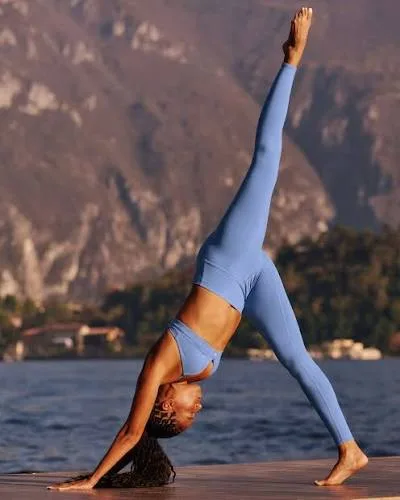
Alo Yoga is built for visibility. Its cultural positioning leans on celebrity association (the Hadid and Jenner sisters), and its designs are meant to look as good on the street as in class, as Vogue puts it. Vogue's editors single out the Airbrush leggings and the seamless two-tone bra as reliable everyday pieces that hold up to repeated wear.
Vuori is built for understatement. Where Alo leans into fashion-forward visibility, Vuori sells quiet, functional comfort with a West Coast aesthetic — pieces that work in a gym, on a trail, or in a casual meeting without announcing themselves.
Here's the part most comparisons skip: both sit at essentially the same price tier as Lululemon, so the decision isn't financial. It's about self-presentation. Choose Alo if you want activewear that reads as fashion. Choose Vuori if you want premium quality with a lower visual profile. Neither is objectively better — they serve different identities.
Best Performance Athleisure Brands: On, Hoka, ASICS, and New Balance
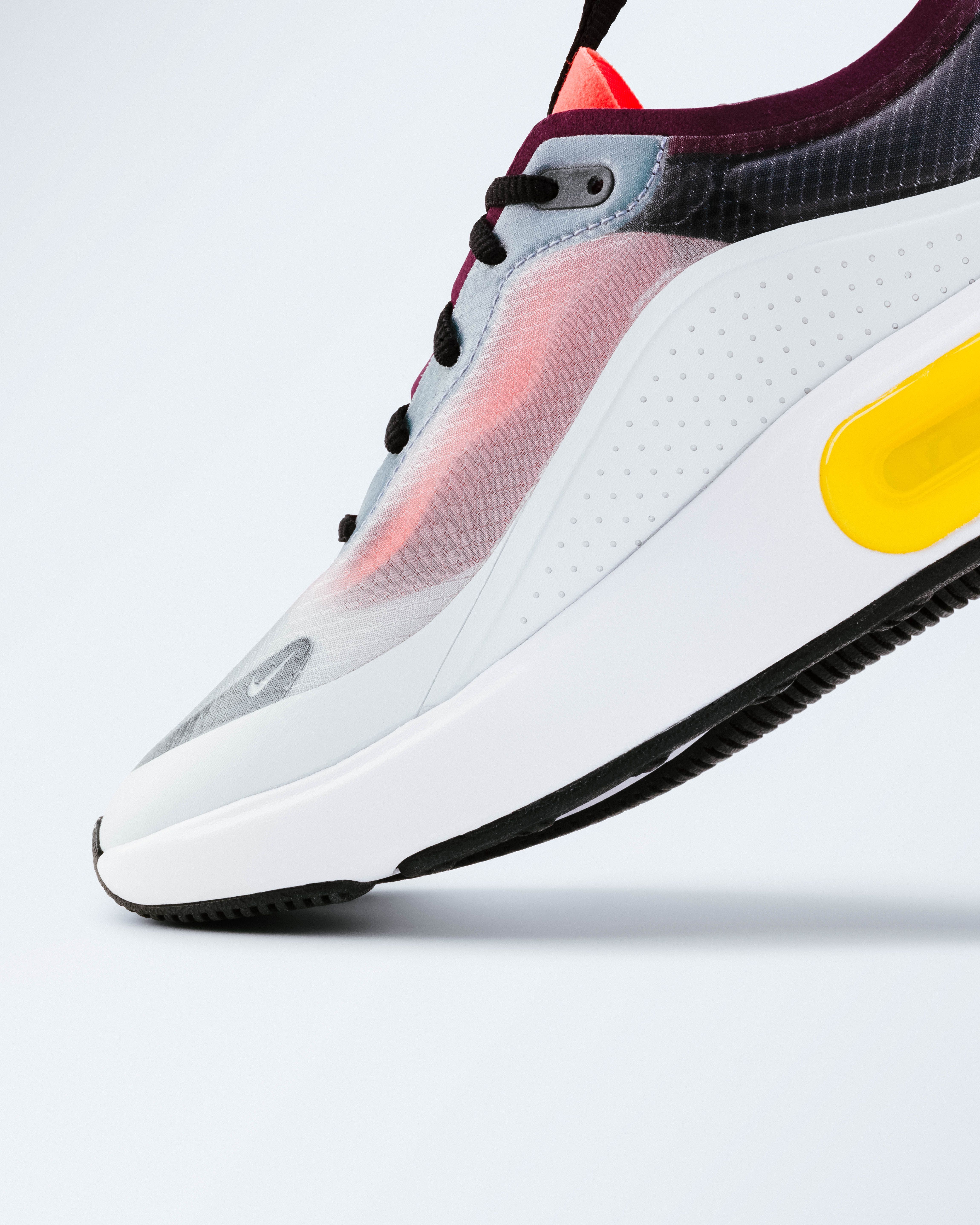
If you actually run or train under real physical stress, this tier deserves your money more than any fashion-first label. The footwear segment's 9.57% projected CAGR is largely driven by these brands, and the technology gap between them and lifestyle labels keeps widening.
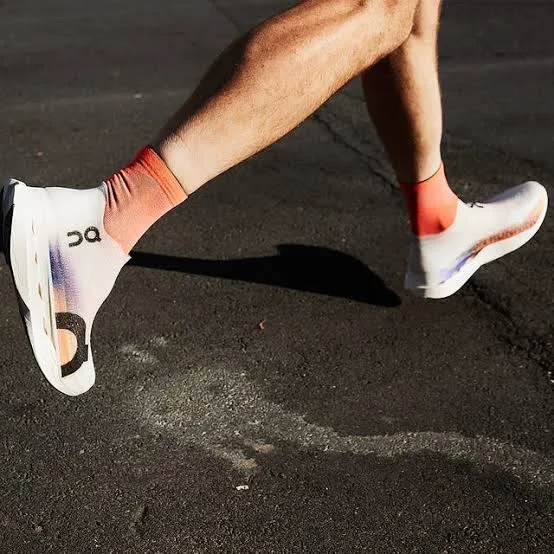
On Running is the growth story of the category. The Swiss brand is expanding rapidly from running into tennis and lifestyle categories, with flagship store openings signaling long-term ambition — the same trajectory Nike and Adidas followed decades earlier.
Hoka and Brooks turned cushioning into crossover appeal. Both built reputations on midsole technology for long-distance runners, and both now attract buyers who've never entered a race. Carbon-fiber plate technology — originally developed for elite marathon shoes — now appears in training and lifestyle models across Nike, Adidas, Hoka, and On, per Mordor Intelligence. A carbon plate in the product description is a performance signal, not marketing fluff.
ASICS has depth, not breadth. Its 11.63% approval rating among young US adults (Market.us News) looks modest next to Nike, but it reflects a loyal, performance-focused base that buys repeatedly — a different kind of brand strength than mass awareness.
New Balance pulled off the best fashion-sport crossover of the cycle. The Miu Miu x New Balance collaboration and the Coco Gauff partnership, per ELLE, prove performance credibility and fashion relevance can coexist. Few competitors offer that combination as convincingly at this price point.
Which Athleisure Brands Are Genuinely Sustainable?
Sustainability claims in activewear range from verifiable to purely decorative. The brands worth your attention have traceable processes — not vague "eco-friendly" language.
Girlfriend Collective is the clearest example of sustainability you can verify. ELLE highlights its process of recycling water bottles and fishing nets into sweat-wicking activewear — a traceable material chain, not a slogan. The brand also maintains an explicit size-inclusivity commitment, addressing a gap premium athleisure has long been criticized for. If extended sizing is a priority beyond activewear, our roundup of the best plus-size fashion brands of 2026 covers the wider apparel market.
Patagonia and PANGAIA bring different kinds of authority. Both appear as significant sustainable-segment players in research from Precedence Research and Fortune Business Insights. Patagonia's environmental credentials predate the athleisure trend by decades; PANGAIA (like Outerknown) was built with sustainability as a founding principle rather than a retrofit.
The trade-off is price. Recycled and plant-based materials cost more to produce, and brands pass that on — expect pricing comparable to or above Lululemon.
One reliable filter: look for third-party certifications (bluesign, GOTS, Fair Trade), specific sourcing disclosures, or closed-loop take-back programs. These are far harder to fake than marketing copy. For a deeper vetting checklist across the whole apparel market, see our guide to the best sustainable and eco-friendly fashion brands in 2026.
Best Affordable Athleisure: True Classic, Decathlon, UNIQLO, and H&M Sport
Premium pricing is not a prerequisite for well-made athleisure. The value tier has improved dramatically, and for casual use the functional gap versus premium brands is smaller than the price gap suggests.
True Classic built a following on one simple proposition: soft, well-fitting crew-neck tees offered across 72 color options, with over 60,000 five-star reviews cited by Athletech News. Not performance gear — everyday basics done well.
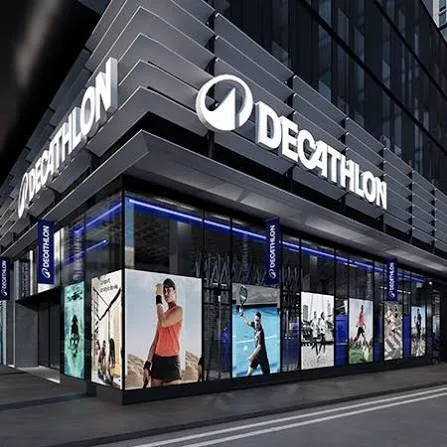
Decathlon designs and manufactures its own products across dozens of sport categories, which lets it hit prices premium brands structurally can't match. The trade-off is cachet: the gear performs, but carries none of Alo's cultural signaling.
UNIQLO and H&M Sport round out the tier — both tracked as meaningful market participants by Intel Market Research, with H&M's wide store footprint useful if you want to try before buying.
The honest limitation: you're getting adequate performance, not optimized performance. For casual gym sessions, walking, yoga, and daily wear, the difference is negligible. For serious training, it's real. Match the tier to your actual use, not your aspirational one. And if you want premium footwear at value-tier prices, timing beats tier-shopping — our guide to where to find the best sneaker deals in 2026 shows when and where markdowns actually happen.
Emerging Athleisure Brands to Watch: Ponto, Built for Athletes, and Planet Nusa
Three brands flagged by Athletech News as 2026 standouts show where the market is heading — each solving one specific problem instead of competing across the whole spectrum.
- Ponto: its Performance Jogger sits at the intersection of tailored aesthetics and functional comfort — a piece that works in a morning run and a client meeting without obvious compromise.
- Built for Athletes: known first for rugged gym backpacks, now expanding into apparel with antibacterial sweat-wicking finishes, reflective details, and double-layered squat-proof leggings.
- Planet Nusa: the Copenhagen-founded label brings Scandinavian design to US shoppers, with celestial-themed sports bras, leggings, and outerwear that hold their own in a studio or a café.
If one of those specific problems is yours, an emerging brand may serve you better than any established name.
Frequently Asked Questions
Is Lululemon still worth buying in 2026?
Yes — for specific use cases. Its core leggings and training tops maintain genuine quality; the slowdown reflects competition, not product decline. The real question is whether you're paying the premium for quality or for brand identity. If it's the latter, Vuori and Athleta deliver comparable quality with less cultural overhead.
What's the difference between Alo Yoga and Vuori?
Alo Yoga is fashion-forward and celebrity-adjacent, designed to be seen in and out of the gym. Vuori is quieter: functional, comfortable, lifestyle-oriented without the high-visibility aesthetic. Both occupy roughly Lululemon's price tier, so the choice is about aesthetic identity, not quality difference.
Which athleisure brands are genuinely sustainable?
Girlfriend Collective (recycled bottles and fishing nets), Patagonia (decades of verified practice), and PANGAIA (sustainability as a founding principle) are the most credible. Adidas x Stella McCartney offers a big-brand option using plant-based plastics. Trust third-party certifications like bluesign or GOTS over brand claims.
Are performance brands like On and Hoka worth it for casual wear?
Yes, especially in footwear. Cushioning developed for distance running translates directly into all-day comfort, and both brands are actively expanding lifestyle lines. Carbon-plate and advanced-foam technology now appearing in their casual models delivers real comfort benefits even if you never race.
What's the best athleisure brand on a budget?
True Classic for basics, Decathlon for functional multi-sport gear, and UNIQLO or H&M Sport for accessible everyday pieces. None carry premium performance tech or fashion positioning, but for casual gym use and daily wear the functional gap versus premium brands is far smaller than the price gap.
How fast is the athleisure market growing?
The global athleisure market is projected to grow at a 9.37% compound annual rate through 2035, according to Precedence Research. Footwear is growing even faster — a projected 9.57% CAGR through 2031 — driven by cushioning and materials innovation.
Final Recommendation: Match the Brand to Your Priority
The right athleisure brand in 2026 depends on which single priority matters most. Locate yourself here rather than defaulting to the most-marketed name:
- Performance and sport function: On Running, Hoka, ASICS, or New Balance for footwear; Nike or Adidas apparel with named technologies (ZoomX, Lightstrike) for training gear.
- Style and versatility: Alo Yoga if you want fashion-forward visibility; Vuori if you want premium quality that doesn't announce itself.
- Sustainability and inclusive sizing: Girlfriend Collective first, then Patagonia and PANGAIA — verified by certifications, not slogans.
- Budget: True Classic and Decathlon cover most casual needs for a fraction of premium prices; upgrade only the pieces that face real physical stress.
One closing rule of thumb: spend on the pieces that work hardest. Shoes and sports bras earn premium-tier investment; lounge tees and joggers usually don't. That single allocation decision saves more money than any coupon.
Building out the rest of your closet? Start with our full hub of fashion and apparel buying guides for 2026 — every category, researched the same way.
How this guide was researched: This guide is a research-based synthesis of 2026 market data and expert coverage — including Precedence Research, Mordor Intelligence, Fortune Business Insights, Intel Market Research, Market.us News, Athletech News, ELLE, and Vogue — combined with our own tier framework. It does not reflect hands-on testing by Trusted Buyer Report; every factual claim is cited to its source. Drafted with AI assistance and reviewed and fact-checked by a human editor before publishing. Read our full methodology.