Researched and drafted with AI assistance, reviewed and fact-checked by a human before publishing. We may earn a commission from purchases made through links on this page — commissions are applied only after our assessment is complete and never influence rankings.
Quick Verdict
Best overall floor mat: WeatherTech FloorLiners — top-ranked for traction and fitment across independent testing by Road & Track and GearJunkie. Best for maximum coverage: TuxMat — extends up cabin sidewalls further than any competitor. Best warranty + value: Husky Liners X-act Contour — lifetime guarantee, 22% more flexible than competitors, lower price than WeatherTech. Best seat cover overall: Coverado — premium fit and materials at a mid-premium price. Best for trucks and work use: Carhartt SeatSaver — purpose-built for daily abuse.
No single brand wins every category. This guide explains exactly which one is right for how you use your vehicle.
You just got back from a muddy trail, a rainy school run, or a long work week — and you look down at your car's floor and realize the factory carpet has taken a beating it won't recover from. Maybe you're selling soon and wish you'd protected it sooner. Maybe you're buying new and want to get it right from day one.
The real question isn't "which floor mat is best?" It's: which floor mat and seat cover combination actually fits how you use your car?
This guide answers that directly. It draws on independent testing from Road & Track, GearJunkie, and Car and Driver to compare the top brands head-to-head, explains what mat materials actually mean for performance, and finishes with a practical use-case framework.
If you're also researching other vehicle upgrades alongside this decision, our complete Automotive Buyer's Guide 2026 covers tires, insurance, parts, and accessories in the same evidence-based format.
How This Guide Was Researched
This guide is based on published independent test protocols, manufacturer specifications, and verified buyer feedback aggregated from multiple sources. It does not reflect hands-on testing by Trusted Buyer Report. Sources include:
- Road & Track — multi-vehicle test protocol across three different platforms (1997 Porsche Boxster, 2011 Hyundai Santa Fe, 2025 Volkswagen Tiguan)
- GearJunkie — real-world traction testing during peak Rocky Mountain snowmelt
- Car and Driver — long-term fleet monitoring over weeks and months
- CustoArmor and 3Wliners — materials testing data and spec comparisons
- Fortune Business Insights — global automotive floor mat market data
- Consumer Betterment — 2026 seat cover rankings across budget, durability, and comfort criteria
WeatherTech vs TuxMat vs Husky Liners: The Head-to-Head
Three brands dominate the 2026 floor mat conversation across every major independent test. They're not interchangeable — each wins on different criteria.
| Brand | Best For | Standout Feature | Warranty |
|---|---|---|---|
| WeatherTech FloorLiners | Traction + durability | Top traction ranking (GearJunkie) | Limited |
| TuxMat | Maximum cabin coverage | 3-layer sidewall-extending design | Limited |
| Husky Liners X-act Contour | Value + flexibility | Lifetime guarantee, 22% more flexible | Lifetime |
| 3Wliners | EV + newer vehicles | Custom-fit for Tesla, Cybertruck, F-150 | Limited |
WeatherTech FloorLiners
WeatherTech is the most consistently top-ranked option across independent tests for traction, durability, and fitment quality. Road & Track named them a top pick after testing across three vehicles with very different footwell geometries. GearJunkie — testing during peak spring snowmelt in the Rocky Mountains — ranked WeatherTech FloorLiners first for shoe grip and traction, ahead of Rough Country (second) and Husky Liners Weatherbeater (third).
Traction is a safety-relevant metric many casual reviews skip entirely, which makes GearJunkie's explicit ranking particularly useful. WeatherTech positions itself at the premium end of the market, and the testing data supports that premium for buyers who prioritize safety and long-term durability.
TuxMat
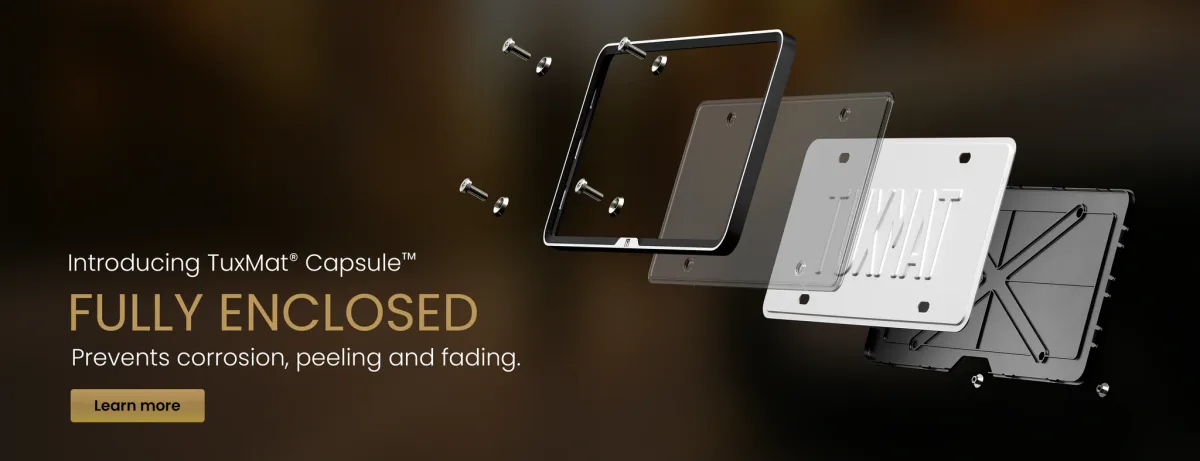
TuxMat differentiates on coverage rather than traction. Its three-layer construction — waterproof vinyl outer layer, EVA inner layer, anti-slip bottom layer — extends further up the cabin sidewalls than most competitors. Car and Driver's Gear Team installed TuxMat in a BMW i4 and monitored it over weeks for fitment stability, wear, and cleanability. The result was notably different from other tested mats in appearance, material feel, and installation method.
TuxMat's sidewall coverage advantage matters most for vehicles where water and mud splash up the door sills — a key consideration for pet owners, outdoor adventurers, and anyone in heavy-precipitation climates.
Husky Liners X-act Contour
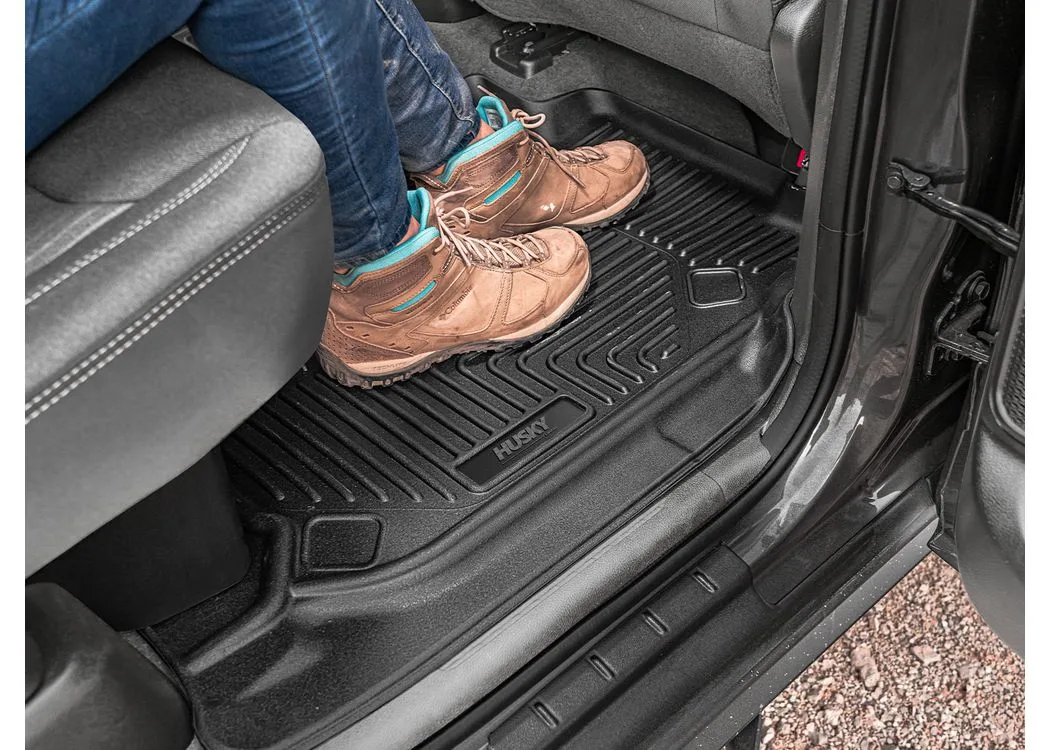
Husky targets buyers who want serious all-weather protection with a more comfortable feel underfoot. According to CustoArmor's 2026 floor mat guide, the X-act Contour is laser-measured for edge-to-edge coverage, built with Husky's proprietary ProCore formula, and independently tested to be over 10% softer than WeatherBeater and 22% more flexible — making installation and cleanup noticeably easier.
The warranty is the decisive advantage at this tier: Husky offers a lifetime guarantee for the original purchaser while the liners are installed in the original vehicle — something neither WeatherTech nor TuxMat matches. Price-wise, Husky typically comes in below WeatherTech, making it the strongest value play in the premium all-weather category.
What the Tests Actually Measured
Marketing copy for floor mats is nearly useless — every brand claims "ultimate protection" and "perfect fit." Understanding how the major testers evaluated these products helps you apply their conclusions to your own situation.
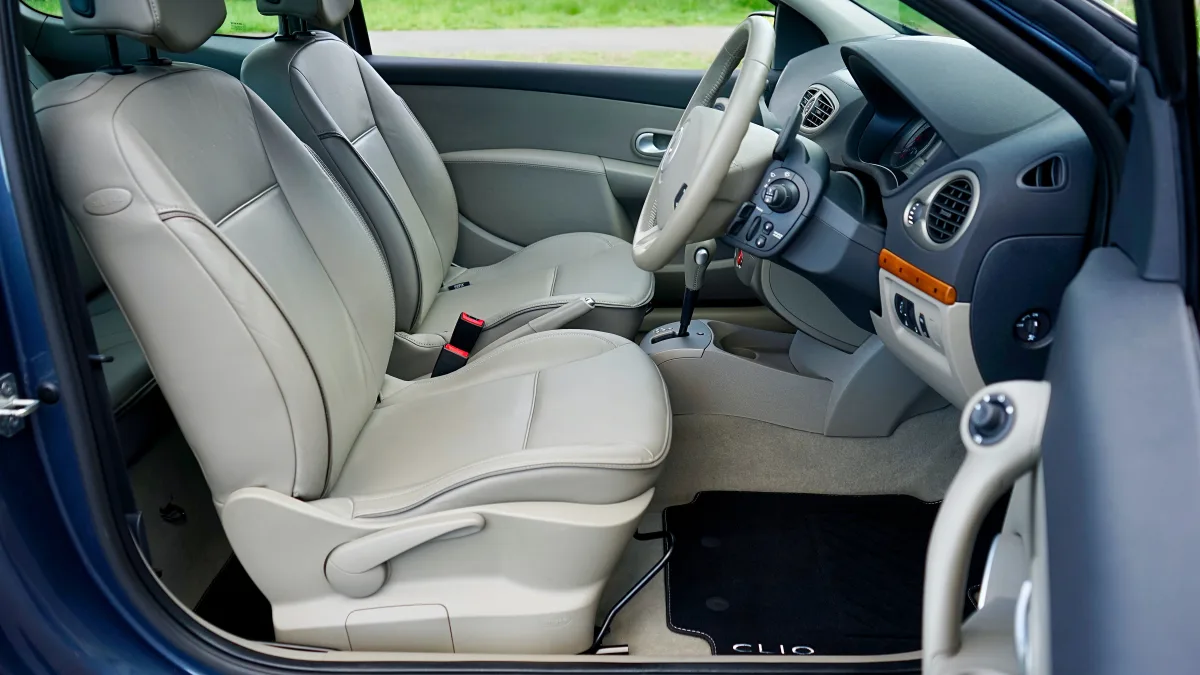
Road & Track's multi-vehicle protocol was designed specifically to expose fitment weaknesses. Testing across three platforms — a tight sports car, an older mid-size SUV, and a modern crossover — meant evaluating fit precision, mat retention during normal driving, footwell coverage, installation ease, and real-world spill and debris performance. A single-vehicle test would miss the fitment variation that shows up across platforms.
Car and Driver's long-term approach addresses the problem with first-impression reviews. Their Gear Team installed five floor mats across vehicles in their long-term fleet and monitored them over weeks and months. Some mats look great out of the box but develop fitment problems, surface degradation, or retention issues after regular use — short-session reviews can't catch this.
GearJunkie's environmental specificity adds a safety dimension most reviews miss. Testing during Rocky Mountain snowmelt created real-world stress conditions: heavy moisture, mud, and the debris outdoor enthusiasts regularly track into their vehicles. Their explicit traction ranking matters because shoe grip on the mat surface is a genuine safety metric — a slipping foot in a snowy parking lot can create real pedal-interference risk.
The consistent finding across all three sources: custom-fit, model-specific liners outperform universal mats in every meaningful category — retention, coverage, and fitment stability.
Custom-Fit vs Universal Floor Mats: The Decision That Changes Everything
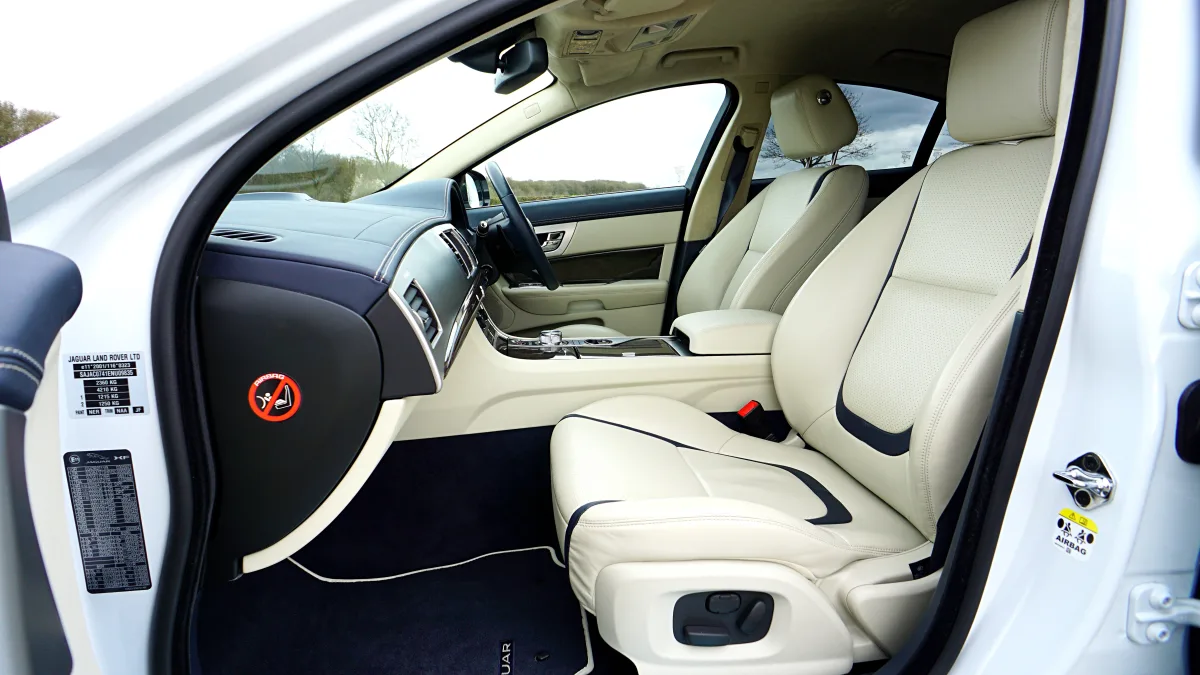
Before you compare brands, answer one question: custom-fit or universal? This decision has more impact on your satisfaction than any brand choice you make afterward.
Custom-fit liners are laser-measured or digitally scanned to match the exact contours of a specific vehicle's footwell. The result is edge-to-edge coverage — including the curved corners and raised edges where water and mud accumulate. They anchor using vehicle-specific retention points, which eliminates the slide risk that plagues universal mats.
Here's the safety issue with universal mats: a mat that can't anchor properly to vehicle-specific retention points can slide forward under the driver's feet. That's not just a cleanup problem — it's a pedal-interference hazard. Road & Track's expert tip is explicit: measure your footwells before buying, or choose model-specific liners.
Universal mats cost less and are immediately available. But they leave gaps at the footwell edges — exactly where debris reaches your carpet — and most don't anchor properly.
Model-specific availability has expanded substantially. According to 3Wliners' 2026 guide, their custom-fit lineup now includes the Tesla Model Y 2025–2026, Cybertruck 2026, Ford F-150 2015–2026, and Jeep Wrangler JLU 2018–2026. If you drive a newer or popular model, a custom-fit option almost certainly exists.
If your vehicle isn't covered, semi-universal mats with adjustable anchor points are a better compromise than fully universal mats — they won't match edge coverage, but the anchoring reduces slide risk meaningfully.
Material Showdown: TPE vs Rubber vs Vinyl
The material determines cold-weather performance, new-mat smell, cleanability, and lifespan. Understanding the differences lets you evaluate any brand — not just the ones that appear in top-ten lists.
Rubber is the traditional all-weather standard. It's heavy, durable, and effective at trapping debris in molded channels. The downsides are real: rubber stiffens significantly in cold temperatures (frustrating for winter installation and removal), and some rubber mats off-gas noticeable odors when new. For buyers in moderate climates who prioritize raw durability, rubber remains a solid choice.
TPE (thermoplastic elastomer) has emerged as the preferred material in premium custom-fit liners. It stays flexible in cold weather — a meaningful advantage in climates that regularly drop below freezing — produces little to no odor, and is recyclable in many formulations. According to 3Wliners' material comparison, TPE is increasingly the material of choice for precision-fit liners targeting both performance and environmental considerations. Husky Liners' ProCore formula is a proprietary TPE variation engineered for flexibility and softness without sacrificing structural integrity.
Vinyl outer layers, as used in TuxMat's three-layer construction, provide an effective waterproof barrier. The quality of the underlying layers determines whether that waterproofing translates into long-term performance. TuxMat's EVA inner layer and anti-slip bottom are designed to prevent the cracking and delamination that can happen with vinyl-over-weak-substrate designs.
For cleanability: rubber and TPE win clearly over fabric. Both wipe down with a damp cloth or rinse with a hose in under a minute. Fabric mats trap debris at the fiber level and require vacuuming, scrubbing, and drying time. For anyone dealing with mud, snow, pets, or young children, rubber or TPE is the only practical answer.
The global automotive floor mat market was estimated at USD 12.81 billion in 2025 and is projected to reach USD 13.35 billion in 2026, with a CAGR of 4.20% through 2034, according to Fortune Business Insights. That growth reflects both increasing vehicle ownership and a clear shift toward premium all-weather protection — tracking directly with the material trends above.
Best Car Seat Covers 2026: What the Rankings Actually Tell You
Seat covers protect your OEM upholstery from wear, stains, and pet damage — but they also vary enormously in fit quality, material durability, and safety compatibility. The wrong cover can bunch under you, interfere with side-curtain airbag deployment, or wear out within a year.
Consumer Betterment's 2026 ranking, based on testing across budget, luxury, durability, and comfort criteria, produced these results:
| Rank | Brand | Best For | Key Strength |
|---|---|---|---|
| #1 | Coverado | Overall | Premium fit + materials |
| #2 | Skechers Memory Foam | Comfort | Pressure-point reduction |
| #3 | LUCKYMAN CLUB | Mid-range value | Solid construction, lower price |
| #4 | Carhartt SeatSaver | Trucks + work use | Heavy-duty durability |
| Budget | FH Group Fabric | Casual/dry climates | Entry-level protection |
Coverado leads for premium materials and a close-fitting design that stays in place during daily use. Skechers Memory Foam Seat Covers ranked second specifically for comfort — the foam layer reduces pressure points on long drives in a way standard covers don't address.
Carhartt SeatSaver deserves particular mention for truck owners and work scenarios. Carhartt's heavy-duty durability translates directly to seat covers — these are built for repeated exposure to tools, gear, and work clothing that lifestyle-oriented covers aren't designed to survive. If you work out of your truck, Carhartt SeatSaver is the most defensible choice in the category.
The safety issue you can't skip: any seat cover must have designated seam splits or openings aligned with your vehicle's side-curtain airbag deployment zones. A cover that blocks airbag deployment is a safety hazard regardless of how well it fits otherwise. Always verify airbag compatibility with your specific vehicle before purchasing — this isn't optional.
Fit is the primary performance variable. A loose cover bunches under you, creates uneven pressure, and wears unevenly at friction points. A properly contoured cover stays flat, wears evenly, and maintains its appearance over time.
Heated Seat Covers: Are They Worth It?
Heated seat covers are a practical upgrade for vehicles without factory-heated seats — and they've improved significantly in fit quality and reliability in recent years.
The most common mistake buyers make is optimizing for the wrong spec. According to Road & Track's expert guidance on best heated seat covers, fit matters more than wattage. A heated cover that's loose or poorly contoured will bunch, slide, and create uneven heating — hot spots in some areas, no heat in others. A snug, seat-shaped fit spreads warmth evenly and stays in place while you drive.
Road & Track's top pick for 2026 is the Paffenery Heated and Cooling Seat Cover, praised for great fit, staying in place, and including ventilation alongside heating — making it a year-round product rather than a winter-only purchase. The massage functions included in Paffenery and similar covers consistently receive "gimmick" reviews from testers; useful to know before you pay extra for them.
A few things to verify before buying:
- Airbag compatibility: especially critical for sport seats with complex side-bolster geometry
- Power source quality: most covers plug into the 12V outlet; cable routing and connector quality affect long-term reliability more than wattage ratings
- Contact surface fit: this determines heat distribution — not the spec sheet
How to Choose: A Use-Case Framework
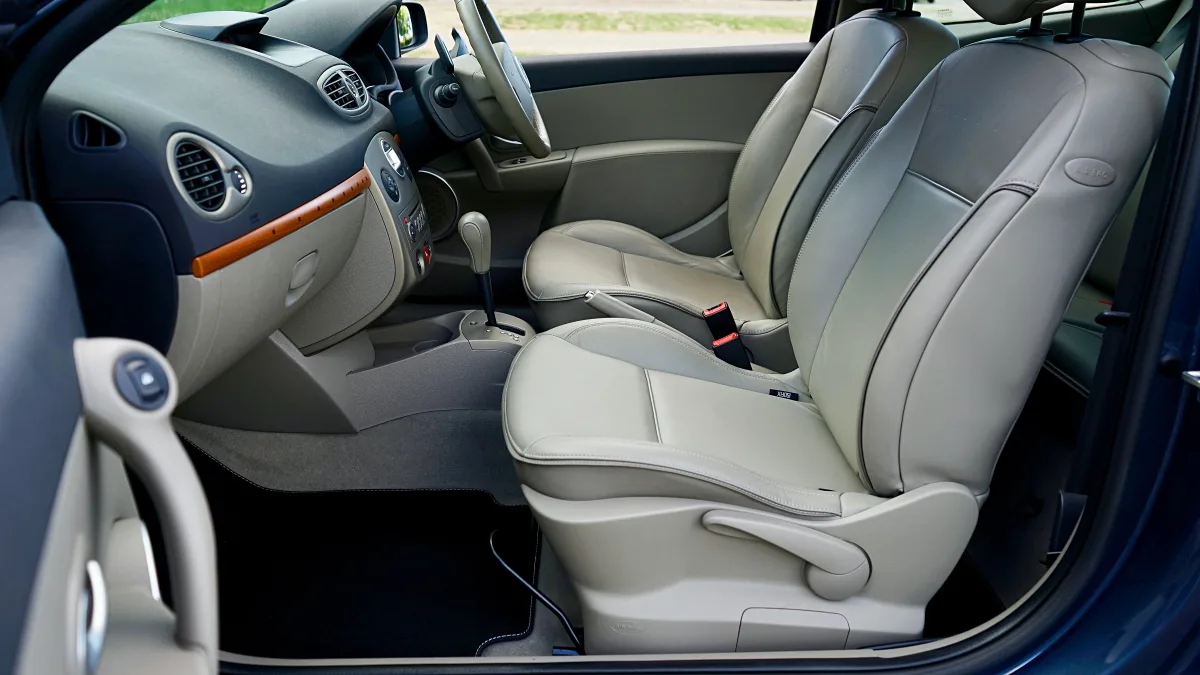
The right combination depends on how you actually use your vehicle. Here's a practical breakdown:
Daily commuters, dry climates — Model-specific TPE or rubber liners for easy wipe-down cleaning, paired with fabric or faux-leather seat covers that prioritize comfort. Coverado-style covers work well here.
Pet owners — All-weather floor liners with high sidewalls to contain muddy paw prints. TuxMat's extended cabin-side coverage is particularly useful. Pair with neoprene seat covers that resist pet hair embedding and moisture penetration — neoprene is the recommended material for this use case because hair doesn't bond to it the way it does to fabric or standard polyester.
Outdoor adventurers and off-road drivers — Maximum-coverage liners (TuxMat or WeatherTech) paired with heavy-duty covers like Carhartt SeatSaver that resist abrasion from gear and hiking boots. Durability over aesthetics.
Family vehicles with young children — Deep-channel floor liners that trap crumbs and spills before they reach carpet, paired with waterproof seat covers that wipe clean quickly. LUCKYMAN CLUB or similar mid-range waterproof covers balance cost and cleanability well for this scenario.
Work truck drivers — Rubber or TPE liners with aggressive tread patterns for boot traction — GearJunkie's traction rankings are directly relevant here. Carhartt SeatSaver is the seat cover benchmark for this use case.
Luxury and EV owners — Custom-fit liners that preserve interior aesthetics: WeatherTech or TuxMat in neutral tones, paired with premium faux-leather or Coverado-style seat covers that complement the cabin rather than fighting it. For newer EVs specifically, 3Wliners has expanded significantly into Tesla and EV-specific fitment.
Market data supports this segmentation. According to ShelfTrend's 2026 seat cover market analysis, waterproof covers for beach trips, dog-friendly covers for outdoor activities, and heat-reflective covers remain strong demand segments year-round — confirming that buyers are purchasing for specific lifestyle needs, not just generic protection.
Beyond Floor Mats: Building Out Your Interior and Exterior Setup
Floor mats and seat covers are the starting point, not the whole picture. Once your interior is protected, most drivers turn to a few other upgrades that work alongside them.
A quality dash cam setup pairs naturally with interior protection if you're thinking about the resale value of your vehicle — both are about documenting and preserving your car's condition. Similarly, if you spend time in your vehicle commuting, a solid car audio system improves the driving experience meaningfully alongside a cleaner, more comfortable interior.
For drivers who do any amount of highway driving, radar detectors are worth researching — but legality varies by state, so check your jurisdiction before buying. And if you're the type to handle your own vehicle maintenance, our guide to best auto tools for DIY mechanics covers what you actually need without overspending.
EV owners should note: both TuxMat and 3Wliners have expanded their EV-specific fitment catalog significantly. If you're managing an EV transition alongside these purchases, our EV charging networks comparison for 2026 covers the infrastructure decisions that matter most at home and on the road.
Frequently Asked Questions
Are WeatherTech floor mats worth the price?
Based on independent testing by Road & Track and GearJunkie, WeatherTech FloorLiners consistently perform at the top of the category for traction, fitment, and durability. They're priced at a premium. If traction and long-term durability are your top priorities and you want a brand with a strong testing track record, the price is justified. If budget is a constraint, Husky Liners X-act Contour delivers comparable all-weather protection with a lifetime warranty at a lower price point.
What's the difference between a floor mat and a floor liner?
Floor mats are typically flat or lightly contoured — either universal or model-specific. Floor liners are precision-fit, three-dimensional inserts that conform to the exact shape of your footwell, including raised edges and curved corners. Liners provide better coverage and retention than mats but cost more and are vehicle-specific. For serious all-weather protection, liners are the better investment.
Do seat covers affect heated seat functionality?
Thick seat covers can reduce the warmth you feel from factory-heated seats by adding an insulating layer. Thin, form-fitting covers have less impact. If your vehicle has factory-heated seats and you want to add a cover, choose a thin, close-fitting option and test heat output after installation. For vehicles without factory heat, a heated seat cover is a practical solution — just prioritize fit over wattage, as Road & Track's testing confirms.
Are universal seat covers safe with side airbags?
Only if specifically designed with airbag-compatible seam splits. Many universal covers are not. Before purchasing any seat cover, verify it has designated openings or breakaway seams aligned with your vehicle's side-curtain airbag deployment zones. This should be clearly stated in product specifications. If it isn't, contact the manufacturer directly.
How do I know if a floor mat will fit my specific vehicle?
Use your vehicle's year, make, model, and trim level to filter for compatible options on the brand's website. WeatherTech, TuxMat, Husky Liners, and 3Wliners all have vehicle-specific selectors. Road & Track recommends measuring your footwells as a secondary check — particularly for the driver's side, where retention and pedal clearance matter most. If no custom-fit option exists for your vehicle, semi-universal mats with adjustable anchor points are a better compromise than fully universal options.
Which floor mat brand is best for SUVs?
Road & Track's multi-vehicle test included a 2011 Hyundai Santa Fe and a 2025 Volkswagen Tiguan alongside a sports car, specifically because SUV footwell geometry is so different. WeatherTech performed at the top across all three platforms. For larger SUVs where sidewall coverage matters, TuxMat's extended design adds meaningful protection. Husky Liners X-act Contour's ProCore flexibility makes it particularly easy to work with in larger, deeper footwells.
Final Verdict
For most buyers, the decision comes down to three variables: how severe your conditions are, how much coverage you need, and what your budget allows.
If you want the most tested, traction-leading option and durability is your top priority — WeatherTech FloorLiners are the defensible choice based on the testing data available.
If you want maximum cabin sidewall coverage — particularly for pets, outdoor use, or wet climates — TuxMat's three-layer design is the right call.
If you want serious all-weather protection with the strongest warranty at a lower price point — Husky Liners X-act Contour delivers on all three criteria.
For seat covers: Coverado leads on overall fit and quality, Carhartt SeatSaver leads for trucks and heavy-duty work use, and Skechers Memory Foam leads on comfort for long-drive comfort.
Pair floor mats and seat covers to your lifestyle — not to a brand's marketing copy — and you'll get years of protection out of either choice.