Instacart in 2026: What It Promises vs. What Users Actually Report

You open the Instacart app on a Tuesday evening, pick out your groceries, and see a one-hour delivery window. Sounds straightforward. But somewhere between that promise and your front door, things go sideways — the order arrives two hours late, three items are missing, and the total you paid was ? more than what your neighbor paid for the same basket at the same store that same morning. That gap between what Instacart advertises and what shoppers actually experience is the central question this review answers.
By raw scale, Instacart is the dominant grocery delivery network in North America. According to Business of Apps, the platform operates across nearly 100,000 stores in more than 14,000 cities across the US and Canada, partnering with over 1,800 retail banners. More than 500 million products are listed on the platform, and roughly 600,000 independent shoppers fulfill orders. Those numbers are genuinely impressive. The average order value sits at ?, which means even small errors — a missing item, a price discrepancy — represent real money.
The problem is that scale does not automatically translate to reliability. CheckThat.ai's aggregated user feedback for 2026 documents three recurring failure patterns: deliveries arriving one to three hours past the promised window without any notification, orders with missing or incorrectly substituted items, and a fee structure that users consistently describe as confusing until the final checkout screen. If you're trying to decide whether Instacart fits your grocery routine — or comparing it to alternatives covered in the Food & Grocery Buyer's Guide 2026: Meal Kits, Delivery & More — understanding these failure patterns is more useful than reading the platform's own marketing copy.
Breaking Down Instacart's Fee Structure: What You're Actually Paying

Instacart's pricing has multiple layers, and most users don't see the full picture until they're already at checkout. Here's how each layer works:
- Delivery fee: Varies by retailer, order size, and delivery window. Faster windows — one-hour delivery — typically carry higher fees than scheduled same-day or next-day slots.
- Service fee: A percentage-based charge applied to the order subtotal, separate from the delivery fee. This is not a tip.
- Item markups: Prices for individual products on Instacart are frequently higher than in-store prices at the same retailer. This markup is distinct from all fees and is one of the least visible cost layers.
- Tip: Presented at checkout, separate from all platform fees, and directed to the shopper. Default suggestions can meaningfully increase your total.
- Instacart+ membership: The paid subscription tier (formerly Instacart Express) waives per-order delivery fees on orders above a minimum basket size.
To understand what this looks like in practice, consider a ? order — the platform's average, per Business of Apps. Add a delivery fee, a service fee calculated as a percentage of that subtotal, item markups that may have already inflated the subtotal, and a tip. Your real cost could be ? or more before you've made a single unusual purchase. Users who report "sticker shock" at checkout are not misreading the app — they're encountering the cumulative effect of fees that are disclosed individually but never summarized clearly before the final screen.
Instacart+ members, according to Business of Apps, spend an average of ?,000 per year on the platform and order at roughly double the frequency of non-members. For high-frequency shoppers, the membership math may work in their favor. For occasional users, paying the per-order fees without a membership can make the service significantly more expensive than driving to the store — especially when item markups are factored in.
CheckThat.ai user reports consistently flag fee confusion as a top complaint, with shoppers describing fees as hidden or unclear until the final checkout step. This is not a new problem, but it remains unresolved in 2026.
The Dynamic Pricing Problem: Are You Paying More Than Other Customers?

The fee structure is complicated enough on its own. But there's a deeper pricing issue that most users don't know about: two people shopping the same store on the same day can pay different prices for identical items — not because of coupons or loyalty programs, but because of Instacart's AI-driven pricing system.
In September 2025, Consumer Reports and the Groundwork Collaborative conducted a controlled investigation. Thirty-nine volunteers each used Instacart to shop at the same Safeway location in Seattle on the same day, placing the same 20 products in their virtual baskets and capturing screenshots of the prices. According to Consumer Reports, the same basket was offered at five different price points, ranging from ?.34 to ?.93. The difference between the lowest and highest priced baskets was ?.59, or 8.4%. Some individual products were offered at as many as five different prices, with per-item variation reaching up to ?.56.
About three-quarters of the products tested showed different prices to different customers. This is not a rounding error or a display glitch — it reflects a deliberate system of algorithmic price variation based on user data.
In a March 5, 2026 letter to Instacart CEO Chris Rogers, the House Oversight Committee flagged this practice directly. The congressional letter noted that Instacart has been transitioning from a grocery delivery company to a provider of pricing software and digital tools sold to retailers. It also disclosed that Instacart uses consumer personal data sourced from two major data brokers — Acxiom and Epsilon — as inputs to its pricing and targeting systems. Lawmakers raised concerns that algorithmic pricing systems of this type can lead to price softening or tacit collusion in the marketplace.
For you as a shopper, the practical implication is concrete: the price you see is not necessarily the price someone else sees for the same item at the same store. Refreshing the page, using a different device, or shopping at a different time may yield a different price. There is no reliable way to know whether you're receiving the lowest available price on any given order.
Delivery Speed in 2026: How Fast Is Instacart Really?

Instacart advertises delivery windows as fast as one hour in many markets, with same-day and next-day scheduled options also available. In practice, the gap between the advertised window and actual arrival time is one of the most documented complaints in 2026.
According to CheckThat.ai's aggregated user feedback, orders arriving one to three hours past the promised window are a common occurrence — and users frequently report receiving no proactive notification when delays happen. You're left waiting, checking the app, and eventually contacting support to find out what's going on.
Several structural factors explain why delays happen. Instacart operates on an independent shopper model: when you place an order, it's accepted by a contractor who then travels to the store, shops your list, and delivers to your address. That shopper may be unfamiliar with the store layout, may be handling multiple stacked orders simultaneously, and faces real-time variables like crowded stores and out-of-stock items. A first-person shopper video from 2026 illustrates this well: the shopper navigates an unfamiliar Giant Eagle location, manages a 13-item order while noting that previous orders had more than 22 items and 30-plus units, and has to communicate with customers in real time. None of this is the shopper's fault — it's the inherent complexity of the model.
Delays are more frequent during peak periods: weekday evenings, weekends, and holidays when shopper supply is lower relative to order volume. Temperature-sensitive items are the most vulnerable. CheckThat.ai documents multiple cases of dairy, frozen goods, and produce arriving spoiled or melted after extended waits. In one particularly serious case documented in the same user feedback, a delivery was delayed so significantly that it affected the care of a hospice patient — a reminder that for some users, delivery reliability is not a convenience issue but a genuine necessity.
When delivery works within the promised window, Instacart is genuinely fast. One-hour delivery from a major grocery chain is a real capability in dense urban markets. The problem is that there's no reliable way to predict, at the time of ordering, whether your specific order will be one that runs on time or one that runs two hours late.
Order Accuracy: Missing Items, Wrong Substitutions, and Expired Products
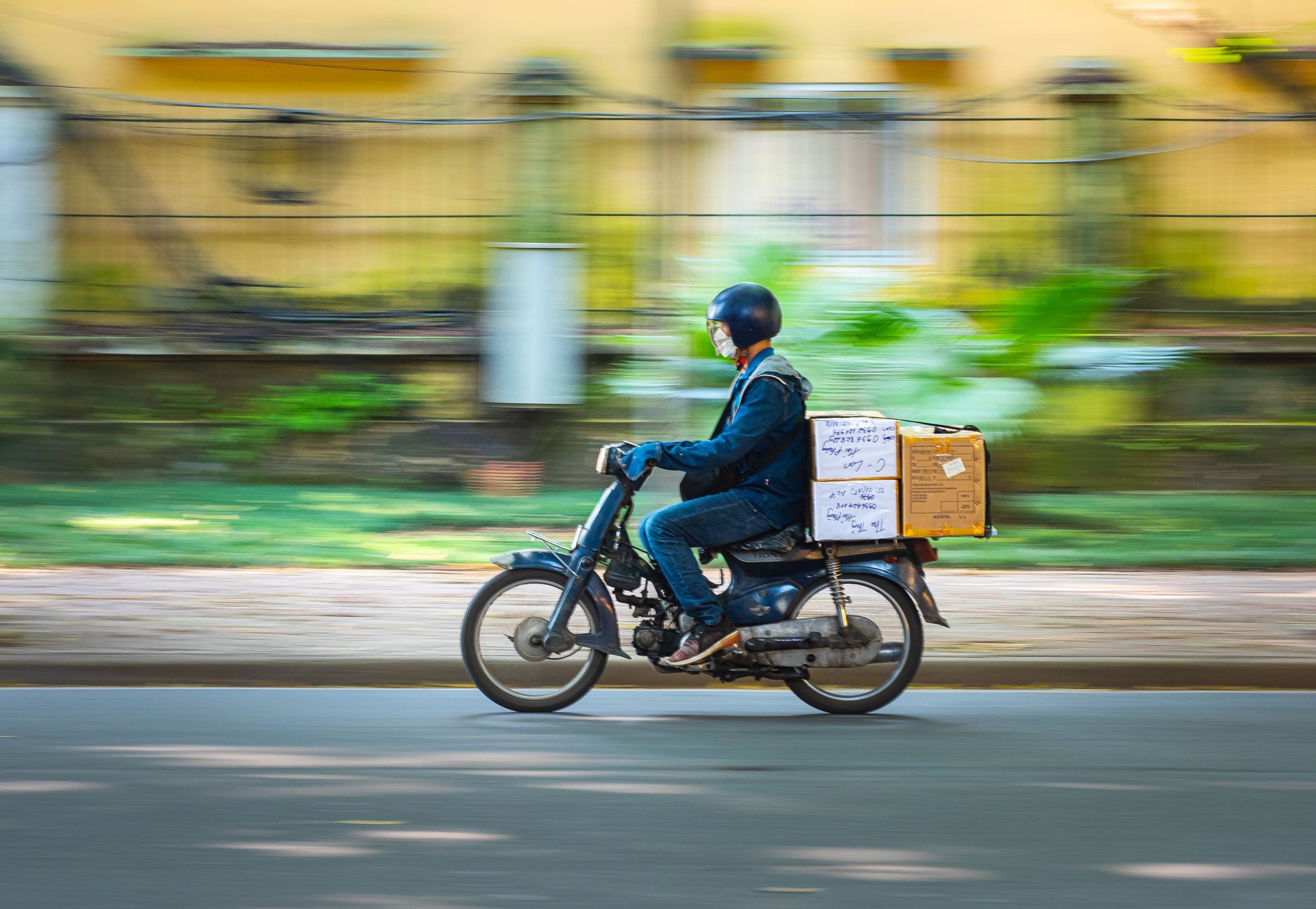
Delivery speed is a frustration. Order accuracy is a different kind of problem — it affects what you actually have in your kitchen after the order arrives.
CheckThat.ai's 2026 user feedback identifies three distinct accuracy failure types that appear repeatedly across reviews:
- Items marked as delivered but absent from the order. The app shows the item as fulfilled, but it's not in your bags. This creates a documentation problem when you try to request a refund, because Instacart's system records the item as delivered.
- Unauthorized or poor substitutions. When an item is out of stock, shoppers may substitute without customer approval, or make replacements that don't match in size, brand, or dietary profile. A shopper replacing a specific brand of lactose-free milk with a standard dairy product is not a minor inconvenience for someone with an intolerance.
- Expired or spoiled products. Dairy and produce are the most commonly cited categories. Users report receiving items that were already past their sell-by date or that arrived in poor condition.
The structural reason these problems occur is worth understanding. Instacart shoppers are independent contractors, not employees. They receive no standardized training from Instacart on item selection quality. They work under time pressure — the YouTube shopper video referenced earlier shows a shopper managing a 13-item order while noting that stacked orders can require separating multiple customers' groceries simultaneously, using the child seat, main cart, and lower rack to keep orders distinct. Under those conditions, checking expiration dates on every dairy item or carefully reading substitution preferences is genuinely difficult.
This doesn't excuse the problem, but it explains why accuracy errors are not random outliers — they're a predictable output of a system that prioritizes speed and volume over careful item selection. If you're ordering staple items with long shelf lives and flexible brand preferences, accuracy problems are less likely to matter. If you're ordering fresh produce, specific dietary items, or products where brand matters, the risk is meaningfully higher.
Customer Service Failures: What Happens When Something Goes Wrong
Every delivery service has problems sometimes. What separates a good service from a poor one is how it handles those problems. On this dimension, Instacart's 2026 track record is weak.
According to CheckThat.ai user reports, wait times for live customer support regularly exceed 30 minutes. Once you reach a representative, refund processing for approved claims takes 7 to 10 business days — significantly longer than many competing platforms that issue credits within 24 to 48 hours. Multiple users report that representatives declined refund requests even when photographic evidence of the problem — a spoiled item, an empty bag, a wrong product — was provided.
The practical consequence is that the cost of resolving a problem can exceed the value of the problem itself. If a ? item is missing and resolving the dispute requires 30 minutes on hold plus a 10-day wait for a ? refund, many users simply absorb the loss. That's a rational response to a broken resolution system, but it means Instacart faces limited financial pressure to fix accuracy problems at the source.
The House Oversight Committee's March 2026 letter explicitly acknowledged that Instacart is particularly valued by seniors, people with disabilities, and those living in rural areas — groups for whom grocery delivery is not optional convenience but a genuine accessibility need. For these users, a customer service system that routinely fails to resolve problems is a more serious concern than it might be for someone who can simply drive to the store if an order goes wrong.
There is no documented escalation path that consistently produces faster or more reliable resolution. Some users report receiving account credits after persistent follow-up, but outcomes appear inconsistent and depend heavily on which representative handles the case.
Instacart's AI Features in 2026: Cart Assistant, Personalization, and What They Mean for Shoppers

Instacart is investing heavily in AI-driven consumer features, and some of them are genuinely useful. Cart Assistant, the platform's conversational shopping tool, was available to approximately 25% of US customers as of early 2026, according to PYMNTS. It integrates with ChatGPT and Claude, allowing users to build meal plans, discover recipes, and assemble shopping baskets through natural language — asking something like "what do I need for a weeknight pasta dinner for four" and getting a populated cart in response.
CEO Chris Rogers, quoted by PYMNTS, described the company's data position this way: "With over 1.6 billion lifetime orders, we have a unique and deep understanding of the grocery journey, and we're using that to build the gold standard of agentic grocery AI." That order history does enable sophisticated personalization — the system can learn your brand preferences, dietary patterns, and shopping frequency in ways that a general-purpose AI cannot.
The data implications deserve equal attention, though. The same behavioral data that powers Cart Assistant also underlies the dynamic pricing system documented by Consumer Reports. Instacart's Data Hub product, launched for retail advertisers, allows brands to combine their first-party data with Instacart's grocery purchase signals in a secure environment to build audience segments for targeted advertising. This means your shopping behavior flows beyond the delivery transaction into an advertising ecosystem. The House Oversight Committee letter noted that Instacart uses data from Acxiom and Epsilon — two of the largest consumer data brokers in the US — as inputs to its systems, adding external data to what it already knows from your order history.
Using Cart Assistant and personalization features is a reasonable trade-off for many shoppers. But it's worth understanding that convenience and data collection are not separate offerings — they're the same product viewed from two different angles. If you're comparing Instacart's AI features against alternatives, the broader landscape of grocery and food delivery technology is covered in the Food & Grocery Buyer's Guide 2026: Meal Kits, Delivery & More, which includes platforms with different data practices.
Who Instacart Actually Works Well For in 2026

Despite the documented problems, Instacart does work reliably for a specific type of user and use case. Understanding that profile helps you decide whether the service fits your situation.
Instacart works best when:
- You live in a dense urban or suburban market where shopper availability is high and store proximity is short.
- Your order consists primarily of shelf-stable items where substitutions are acceptable and expiration dates are less critical.
- You're an Instacart+ member with high enough order frequency to justify the membership cost and benefit from waived delivery fees.
- You have flexibility on timing — scheduling a delivery for a specific window rather than relying on one-hour delivery reduces the risk of delays.
- You have a mobility limitation or live in an area where driving to a store is genuinely difficult, making the service's accessibility value outweigh its reliability risks.
Instacart is a poor fit when:
- Your order includes significant quantities of fresh produce, dairy, or frozen items where quality and freshness are critical.
- You need a specific brand or dietary formulation and cannot accept substitutions.
- You're ordering for a time-sensitive situation where a two-hour delay would cause a real problem.
- You're comparing the total cost carefully — for occasional users, the combined effect of delivery fees, service fees, item markups, and tips can make in-store shopping or a competing service meaningfully cheaper.
Frequently Asked Questions
What is the average cost of an Instacart order in 2026?
The average order value is ?, according to Business of Apps and confirmed by PYMNTS reporting on Instacart's 2026 financials. That figure reflects the subtotal before delivery fees, service fees, and tips — your actual out-of-pocket cost will be higher.
Does Instacart charge different prices to different customers for the same items?
Yes, based on documented evidence. A September 2025 investigation by Consumer Reports and the Groundwork Collaborative found that approximately three-quarters of products tested were offered at different prices to different customers simultaneously. The same basket of 20 items at a Seattle Safeway ranged from ?.34 to ?.93 across 39 test shoppers on the same day.
How late do Instacart deliveries typically run?
User reports aggregated by CheckThat.ai document deliveries arriving one to three hours past the promised window, often without proactive notification. Delays are more common during peak periods — evenings, weekends, and holidays — when shopper availability is lower relative to demand.
Is Instacart+ worth it?
For high-frequency shoppers, the math can work. Instacart+ members spend an average of ?,000 per year on the platform and order at roughly double the frequency of non-members, according to Business of Apps. If you order frequently enough to recoup the membership cost through waived delivery fees, it's worth considering. For occasional users, the per-order fee structure is usually more cost-effective.
What happens if my Instacart order is wrong or items are missing?
You'll need to contact customer service, where wait times frequently exceed 30 minutes according to CheckThat.ai. Approved refunds take 7 to 10 business days to process. Multiple users report refund denials even when photographic evidence was provided. There is no guaranteed resolution path, and outcomes vary significantly by case.
How many stores does Instacart cover?
Instacart operates across nearly 100,000 stores in more than 14,000 cities in the US and Canada, partnering with over 1,800 retail banners, according to Instacart's investor releases and Business of Apps data.
Final Recommendation: A Decision Framework
Instacart generated ?.3 billion in revenue in 2024, per Business of Apps — it is not a struggling startup. It is a mature, well-resourced platform with documented, persistent problems that its scale has not resolved. The dynamic pricing investigation, the congressional scrutiny, the customer service failures, and the accuracy complaints are not growing pains. They are characteristics of the current product.
Use this framework to decide:
- If accessibility is your primary reason for using delivery — mobility limitations, rural location, disability — Instacart's reach across 14,000-plus cities and 100,000 stores makes it one of the few options with genuine coverage. Use it, but document every order with screenshots and expect to fight for refunds when problems occur.
- If cost is your primary concern, calculate the true total before ordering: subtotal (which may already include markups), delivery fee, service fee, and tip. Compare that to alternatives or in-store shopping. For a ? average order, the real cost is often ? to ? or more.
- If order accuracy matters to you — fresh produce, specific brands, dietary restrictions — build in a backup plan. Don't rely on Instacart for items where a wrong substitution creates a real problem.
- If you're a high-frequency shopper in a dense market ordering mostly shelf-stable goods, Instacart+ may genuinely work well for you. The platform's best