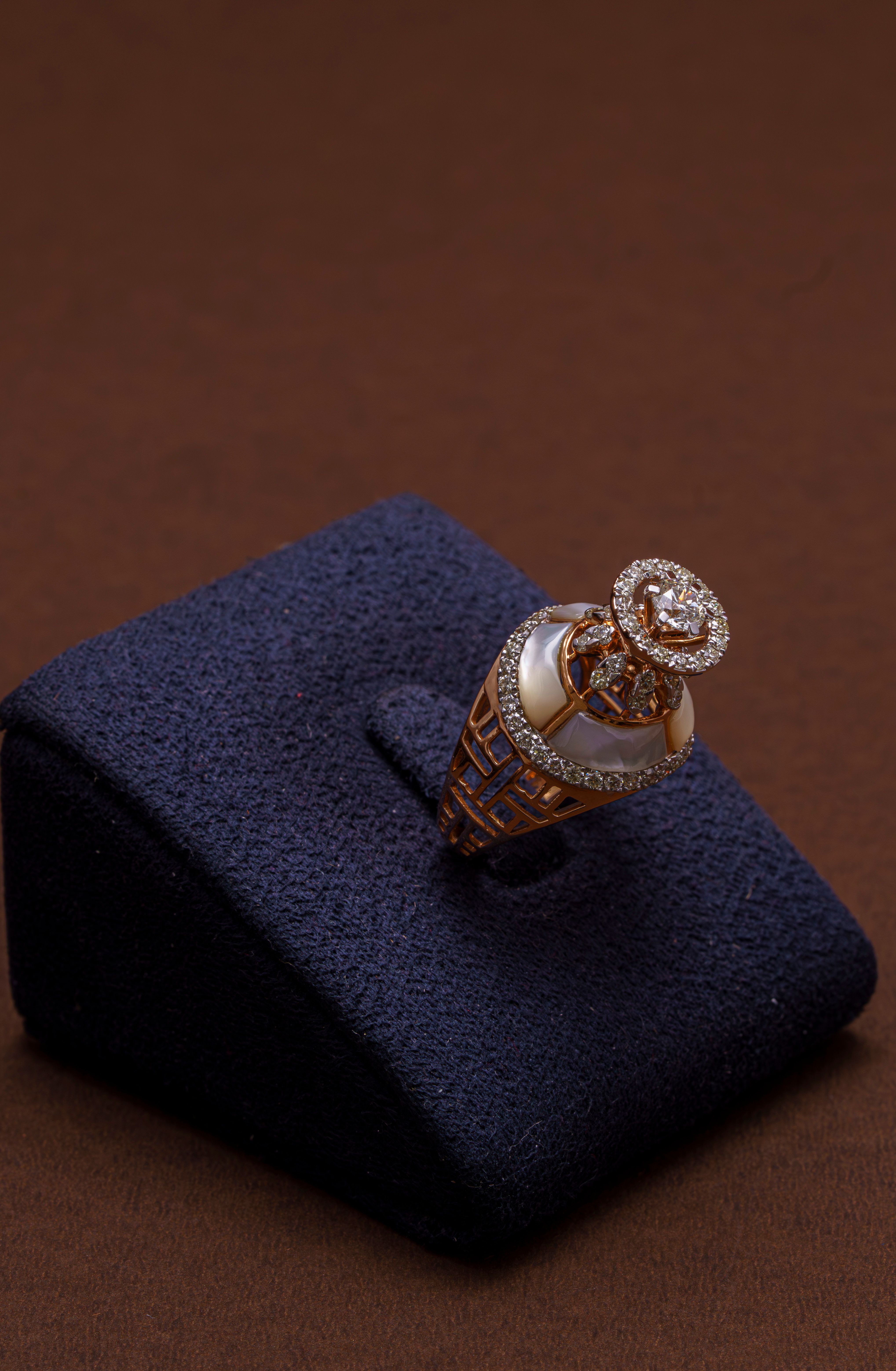
Quick answer: A 1.5ct lab-grown diamond costs roughly 60–80% less than an equivalent mined stone in 2026 — but mined diamonds still hold better resale value, and online jewelry buying is only low-risk under $1,500 for non-custom pieces. Below, we break down exactly where each choice makes sense.
You're standing in front of a jewelry case — or, more likely, a browser tab with seventeen open — trying to decide whether the lab-grown diamond solitaire at $3,200 is genuinely equivalent to the mined stone at $8,800, or whether someone is selling you a story. Maybe you're buying an engagement ring. Maybe you're finally spending on yourself after years of waiting. Either way, the 2026 jewelry market is louder, faster, and more ethically complicated than it's ever been, and most buyer's guides skip the parts that are actually hard to navigate.
This guide doesn't. It covers the decisions that cost real money when you get them wrong: lab-grown versus mined diamonds, online versus in-store buying, which metals actually hold up over time, how to tell genuine ethical sourcing from marketing language, and which 2026 style trends are worth your budget.
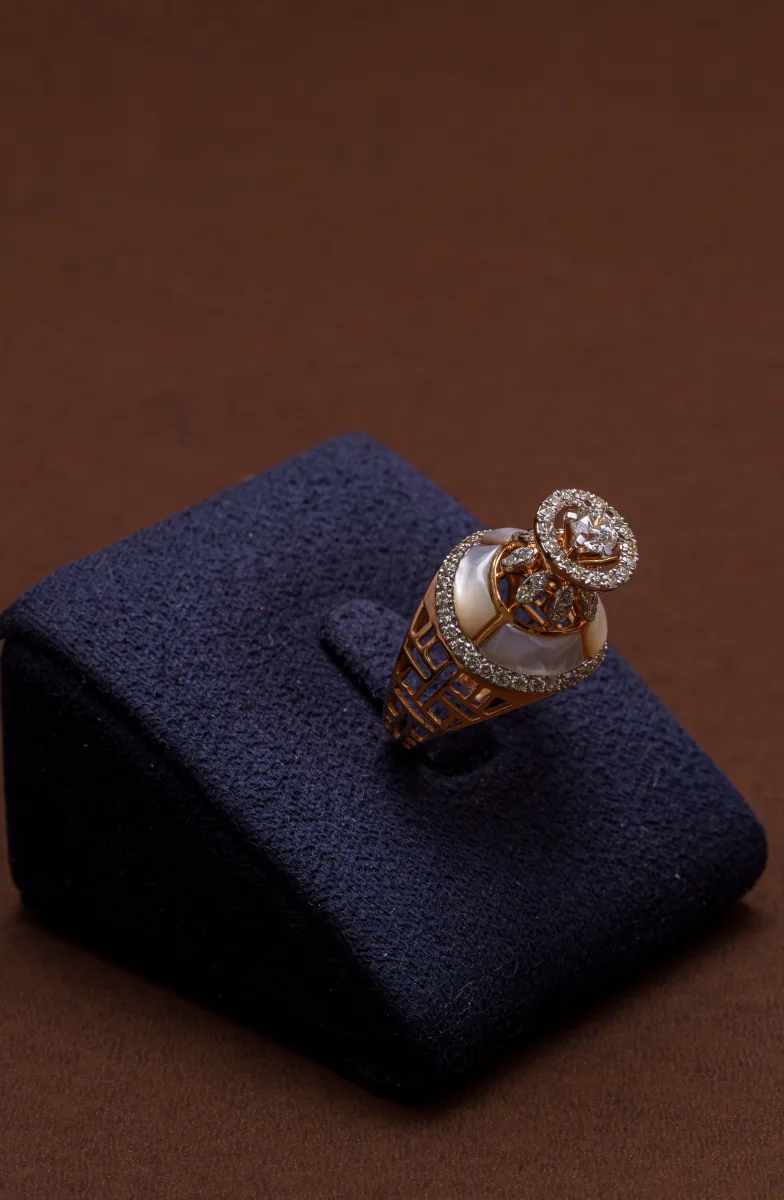
Lab-Grown vs. Mined Diamonds in 2026: Which One Should You Buy?
Quick answer: Choose lab-grown if you want maximum size and clarity for your budget; choose mined if resale value or sentimental provenance matters more to you than price per carat.
Lab-grown diamonds are chemically and physically identical to mined diamonds — the same carbon crystal structure, the same hardness (10 on the Mohs scale), the same refractive index. A gemologist cannot tell them apart without specialized equipment. What differs is origin, and in 2026 that difference shows up directly in price.
A 1.5ct F/VS2 lab-grown diamond currently retails for about $2,800–$3,400, depending on cut quality and retailer. An equivalent mined stone in the same grade runs $7,500–$8,500 at mainstream retail — a 60–80% price gap that has widened sharply since 2022, when lab-grown stones were only 40–50% cheaper. The gap keeps growing as lab-grown production scales while mined supply stays constrained.
Conscious luxury is a defining force in the 2026 market, with buyers actively prioritizing lab-grown diamonds, recycled gold, and ethically sourced gemstones, according to Gabriel & Co.'s analysis, which finds conscious luxury front-and-center in 2026 jewelry trends. That shift is real, but it doesn't mean lab-grown is automatically right for every buyer.
When Lab-Grown Is the Smarter Choice
- You have a fixed budget and want maximum visual size. On a $5,000 ring budget, lab-grown is the only realistic path to a 2ct stone without dropping grade.
- You want to sidestep mined-diamond supply-chain questions. Lab-grown removes most sourcing controversies, though the energy used in production still matters (see the ethical sourcing section below).
- You're buying jewelry you'll wear hard. For pieces you might replace in a decade, the price gap is decisive.
When Mined Still Makes Sense
- Heirloom or resale intent. Mined diamonds have a more established secondary market. Resale is still weak relative to retail (expect 20–40 cents on the dollar), but lab-grown resale currently runs worse — often just 10–20 cents on the dollar — because supply has outpaced secondary demand.
- Sentimental or geological provenance matters to you. That preference is legitimate, not irrational.
Regardless of origin, certification is non-negotiable. GIA, IGI, and AGS grading reports state exactly what you're buying — for lab-grown stones, the IGI certificate will list the growth method (CVD or HPHT), the four Cs, and any treatments. Never buy a fine diamond, lab-grown or mined, without a current report from one of these three bodies. A retailer who can't produce one is a retailer to walk away from.
| Factor | Lab-Grown Diamond | Mined Diamond |
|---|---|---|
| Price (1.5ct F/VS2, 2026) | ~$2,800–$3,400 | ~$7,500–$8,500 |
| Physical/chemical identity | Identical to mined | Natural origin |
| Resale value | Low (10–20% of retail) | Low-moderate (20–40% of retail) |
| Environmental impact | Depends on energy source | Land disturbance, water use |
| Certification standard | IGI, GIA, AGS | GIA, AGS, IGI |
Online vs. In-Store Jewelry Buying in 2026: Where the Real Risk Is
Quick answer: Online is low-risk for fashion jewelry and pieces under $1,500 with a strong return policy; in-person verification matters more for colored gemstones, fine pieces over $1,500, and any custom work.
Online jewelry sales are projected to reach $48.7 billion in 2026, according to Branvas's 2026 State of Jewelry E-commerce Report. That's a staggering volume, and it reflects real improvements in how online retailers present and certify their products — but volume doesn't mean every transaction is equally safe.
Citing McKinsey & Company, Ice Cartel reports that 70% of jewelers are adopting omnichannel retail as the industry standard in 2026. In practice, the line between online and in-store is blurring: you might configure a ring online, view it in a showroom, then complete the purchase through an app. That hybrid path is often the smartest one.
Where Online Buying Works Well
Price transparency is the clearest advantage — you can compare a 1.2ct G/SI1 round brilliant across five retailers in twenty minutes online, a comparison that would take days in person. For fashion jewelry, sterling silver, and beaded accessories under $200, online buying carries low risk as long as the retailer offers a clear return window (look for 30 days minimum and free return shipping).
Where Online Buying Creates Real Risk
Color, weight, and craftsmanship don't translate through a screen. A yellow gold chain that photographs warm and substantial may feel thin and brassy in person. Colored gemstones — sapphires, emeralds, rubies — vary dramatically in saturation and tone within the same grade category, and that variation is nearly impossible to judge from product photos. For any purchase above $1,500, and for all colored gemstones, in-person verification or a retailer with a genuine no-questions return policy is essential.
Custom pieces carry the highest online risk: once fabrication begins, most retailers won't accept returns. Get every spec — metal purity, stone grade, dimensions, finish — confirmed in writing before authorizing production.
Online Retailer Verification Checklist
- Verifiable physical address and phone number (call it)
- Third-party grading certificate included with every fine stone purchase
- Clear return window stated before checkout, not buried in fine print
- Independent reviews on Google, Trustpilot, or the Better Business Bureau — not just on-site testimonials
- Secure checkout (HTTPS) and recognized payment processing
- A named gemologist or jewelry professional on staff, contactable directly
If you're comparing secondhand or marketplace options for jewelry specifically, our Etsy review and The RealReal review cover how each platform handles authentication and returns.
The 2026 Jewelry Market at a Glance: Why Prices Are Moving
The global jewelry market is estimated at approximately $398.8 billion in 2026, growing at a 4.7% CAGR, according to Ice Cartel's analysis citing Statista figures. A separate segment analysis from Technavio projects $91.4 billion in incremental market growth between 2026 and 2030, at a 5.5% CAGR. These aren't abstract figures — they explain specific things you'll run into as a buyer.
Why Entry-Level Gold Is Getting More Expensive
APAC markets — particularly China and India — are driving volume growth, while Western markets are seeing what analysts at Next Move Strategy Consulting call "selective premiumization." In plain terms: entry-level gold jewelry is getting more expensive faster than luxury-tier pieces, because gold spot prices have risen sharply and mid-market brands can't absorb the cost the way luxury houses can. A 14K gold chain that retailed for $180 in 2023 may now cost $220–$240. Budget accordingly.
Men's Jewelry Is a Mainstream Category Now
Technavio's market research identifies growing acceptance of jewelry among men as a significant trend expanding the consumer base and driving new product categories. Signet rings, chain bracelets, ear cuffs, and layered necklaces are no longer niche — they're mainstream categories at major jewelers, with meaningfully better selection and quality than five years ago.
One demographic shift worth knowing: Ice Cartel, citing Stellar M data, reports that 76% of women now prefer self-purchasing jewelry rather than waiting to receive it as a gift. That's reshaped how retailers merchandise — expect more self-gifting framing, solo-buyer sizing guidance, and pieces designed to work without a matching set.
Metal Guide 2026: What Yellow Gold, White Gold, Platinum, and Silver Actually Cost You Over Time
Quick answer: Yellow gold needs the least maintenance, white gold requires rhodium replating every 1–3 years (~$75–$125 per service), platinum costs 2–3× more than gold but rarely needs upkeep, and sterling silver is the cheapest but tarnishes fastest.
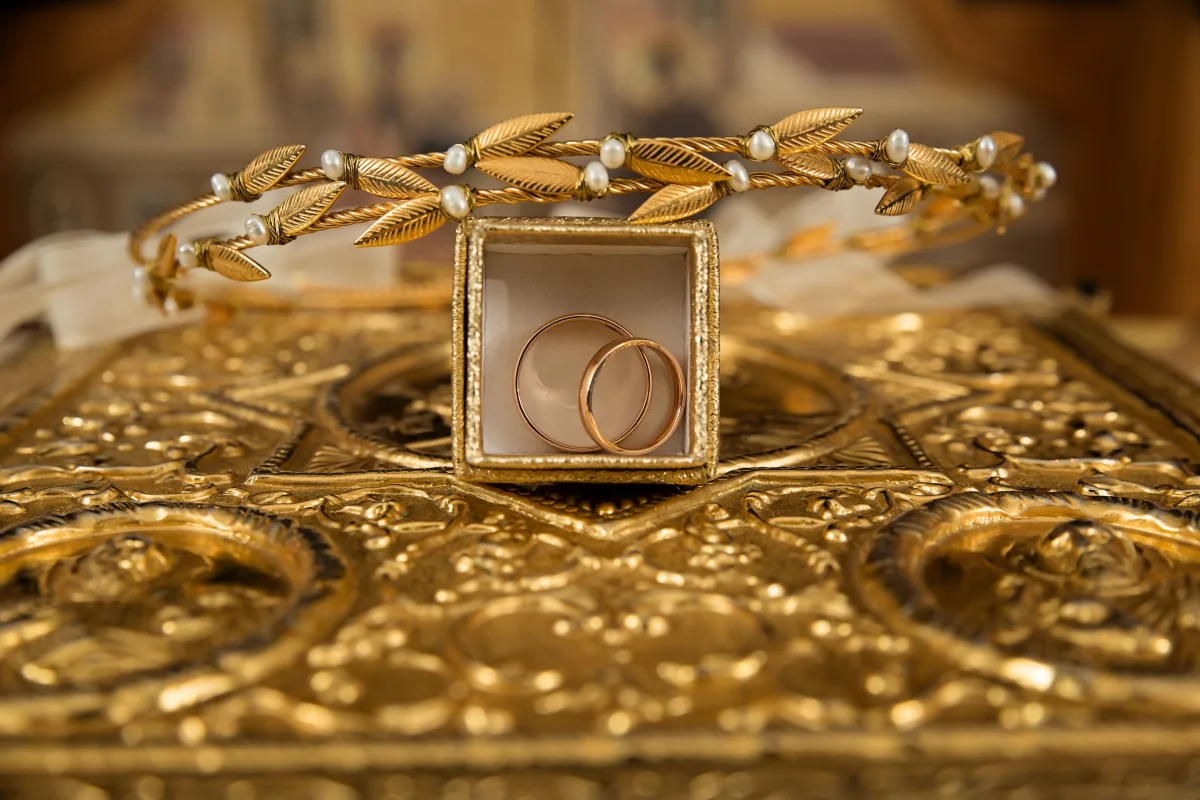
Metal choice is where buyers most often make a decision they later regret — not because they picked the wrong look, but because they didn't account for ongoing maintenance cost or lifestyle fit.
| Metal | Durability | Maintenance | Relative Cost | Best Use Case |
|---|---|---|---|---|
| Yellow Gold (14K) | Good | Low | Moderate | Everyday rings, chains, vintage-style pieces |
| White Gold (14K) | Good | Medium (rhodium replating) | Moderate | Engagement rings, diamond settings |
| Platinum | Excellent | Low (develops patina) | High (2–3× gold) | Heirloom pieces, high-wear settings |
| Sterling Silver | Lower | High (polishing, anti-tarnish) | Low | Fashion jewelry, occasional-wear pieces |
Yellow gold is making a strong comeback in 2026, particularly in bold cuffs, chain necklaces, and vintage-inspired rings, per Gabriel & Co.'s 2026 trend analysis. Its practical edge: it doesn't require replating, and its warm tone hides minor surface scratches well.
White gold is the default choice for diamond engagement rings because it doesn't visually compete with the stone. The hidden cost: rhodium plating wears off in 1–3 years depending on how often the piece is worn. Professional replating runs $75–$125 per service — over ten years of ownership, budget an extra $300–$500 in maintenance. That's not a reason to avoid white gold, but it's a real cost most salespeople won't volunteer upfront.
Platinum is genuinely more durable — it doesn't lose metal when scratched, it just displaces — but it costs 2–3 times more than 14K gold per gram at current 2026 spot prices, and it develops a matte patina over time. Some buyers love that look; others find it dull. Ask to see a worn platinum piece before committing.
When a retailer claims "recycled metal," ask for the specific certification — SCS-007 (Recycled Content Standard) or an equivalent chain-of-custody document. "Responsibly sourced" without a named certifier is marketing language, not a standard.
How to verify metal purity yourself: Read the hallmark stamp. 585 = 14K gold, 750 = 18K gold, 950 = platinum, 925 = sterling silver. These markings are legally required in most markets and should be visible on any legitimate piece.
How to Read Ethical Sourcing Claims Without Getting Greenwashed
Quick answer: Kimberley Process certification only addresses conflict financing — it says nothing about labor or environmental conditions. For broader accountability, look for Responsible Jewellery Council (RJC) certification instead.
Ethical sourcing has moved from niche preference to mainstream expectation in 2026. The problem: the gap between genuine ethical practice and marketing language is wide, and most buyers don't have the tools to tell them apart.
Kimberley Process vs. RJC: What Each Certification Actually Covers
The Kimberley Process Certification Scheme (KPCS) is the most widely cited conflict-free diamond standard, but its scope is narrow: it only covers diamonds funding rebel movements against governments. It does not address labor rights, environmental damage, or human rights abuses by state actors. A diamond can be Kimberley Process certified and still come from a mine with documented labor violations.
Responsible Jewellery Council (RJC) certification is more comprehensive. It covers human rights, labor practices, environmental impact, and business ethics, and requires third-party audits. You can check whether a specific brand holds current RJC certification through the RJC's public member directory — it takes about two minutes and is worth doing before any significant purchase.
Fairmined and Fairtrade Gold certifications address a different link in the chain: small-scale and artisanal mining communities. These are distinct from recycled-metal claims. A piece can be made from Fairmined gold (newly mined, under certified fair conditions) or recycled gold (no new mining, but no direct community-benefit claim). Both are legitimate — they solve different problems.
Questions to Ask Before You Buy
- "Can you provide chain-of-custody documentation for the metal in this piece?"
- "Which certification body audits your supplier?"
- "For lab-grown stones: does your production facility use renewable energy?"
- "Is your brand currently listed in the RJC member directory?"
Greenwashing red flags: vague language like "responsibly sourced" or "ethically inspired" without a named certification body; no mention of third-party audits; inability to name the refinery or mine of origin; certifications that expired more than 12 months ago.
2026 Jewelry Trends Worth Your Budget (and the Ones to Skip)
Quick answer: Bold sculptural gold pieces and certified lab-grown diamond studs offer the best mix of current style and long-term wearability in 2026; trend-driven micro-pieces are the easiest to outgrow.
British Vogue's 2026 jewelry trend analysis points to fewer, more substantial pieces as the defining shift this year. Jewelry designer Laura Vann, whose work has been worn by Michelle Obama, describes 2026 as leaning into big, bold, sculptural pieces — with dramatic colors and statement designs filling the personality gap left by minimalist clothing trends. Separately, London-based jeweler Lucy Delius notes that rising material costs are pushing fine jewelers toward semi-precious stones and pearls — not as a compromise, but as a deliberate design choice. That's a trend worth understanding, because it means you can access genuinely fine craftsmanship at lower price points than a diamond-heavy equivalent.
Trends Worth Investing In
- Bold sculptural gold. A well-made gold cuff or architectural pendant bridges trend and timelessness — it reads as current in 2026 and won't feel costume-like by 2031.
- Certified lab-grown diamond studs. The classic silhouette with the price advantage of lab-grown. Studs are never not wearable.
- Personalized fine jewelry with sentimental detail. Engravings, birthstone accents, and custom proportions hold value as keepsakes even as broader trends shift.
Frequently Asked Questions
Is a lab-grown diamond a "real" diamond? Yes. Lab-grown diamonds share the identical chemical composition, hardness, and optical properties as mined diamonds. The only difference is origin, which is disclosed on the grading certificate.
How much should I budget for ring maintenance over time? For white gold, budget $75–$125 per rhodium replating every 1–3 years (roughly $300–$500 over a decade). Yellow gold and platinum need little to no recurring maintenance; sterling silver requires the most frequent upkeep.
Is it safe to buy fine jewelry online? It's reasonably safe under $1,500 for non-custom pieces from a retailer with a verifiable address, third-party grading certificates, and a real return policy. Above that threshold, or for colored gemstones and custom work, in-person verification reduces real risk.
What's the difference between Kimberley Process and RJC certification? Kimberley Process only screens for conflict financing in mined diamonds. RJC certification is broader, covering labor practices, environmental impact, and business ethics across the full supply chain, verified by third-party audits.
Reviewed by the Trusted Buyer Report editorial team. This guide is based on manufacturer and industry data, published market research, and aggregated expert and consumer-reported sourcing — it does not reflect hands-on testing of specific jewelry pieces by Trusted Buyer Report. Trusted Buyer Report may earn a commission from purchases made through links on this page. This article was researched and drafted with AI assistance, then reviewed and fact-checked by our editorial team before publishing. Read our full methodology.