This guide was researched and drafted with AI assistance, then reviewed and fact-checked by our editorial team before publishing. We synthesize manufacturer data, industry research, and verified consumer feedback — we have not personally tested every fragrance listed. Trusted Buyer Report may earn a commission when you purchase through links on this page, at no extra cost to you. Full disclosure →
The Short Answer: Designer vs. Dupes in 2026
Some dupes genuinely outperform designer originals on longevity and projection. Others smell convincing in the bottle but collapse on skin within an hour. The price tag — high or low — tells you almost nothing about which outcome you'll get. What actually matters comes down to four measurable factors: oil concentration, longevity, scent arc fidelity, and price per milliliter. This guide walks you through all four so you can make a confident decision before spending a dollar.
Quick verdict by use case:
- High-frequency daily wear → Dupes almost always win on value math
- Signature or occasion scent where accuracy matters most → Original or verified high-fidelity dupe
- Fragrance wardrobe building → Dupes unlock more range per dollar
- Unique ingredient profiles no dupe has cracked → Buy the original (especially on sale)
How This Guide Was Researched
This buying guide is based on manufacturer specifications, publicly available industry data, verified consumer feedback aggregated from fragrance communities, third-party market research reports, and editorial coverage from outlets including Esquire, Expert Market Research, Coherent Market Insights, Scento, and Perfumes LA. We did not conduct hands-on fragrance testing ourselves. All market figures cited are linked directly to their source. Where specific prices appear, they reflect publicly reported retail or sale data from mid-2026 and may fluctuate.
Why the Designer vs. Dupe Question Matters More in 2026 Than Ever
The fragrance market has split into two parallel economies — and both are accelerating. According to Coherent Market Insights, the global perfume market is valued at approximately $42.81 billion in 2026 and is projected to surpass $64 billion by 2033. Within that, the dupe segment is growing at a compound annual rate of 15.80%, according to Expert Market Research — more than double the broader market's 6.5% CAGR. These aren't niche numbers. They reflect a fundamental shift in how consumers relate to fragrance.
The discovery channel has changed just as dramatically. Scento's 2026 industry statistics report that roughly 66% of Gen Z buyers identify TikTok as their primary channel for discovering new fragrances, with Instagram second at ~38% and YouTube third at 31%. The traditional department store counter has dropped to fifth or sixth place for this demographic. The practical consequence: many buyers today encounter a dupe video before they've ever smelled the original — evaluating a copy without a reference point.
Perfumes LA's January 2026 Google Trends analysis found consumers are no longer searching for "cheap cologne" — they're actively seeking "high-performing alternatives to luxury niche scents." Baccarat Rouge 540 ranked as the single most-duped fragrance in January 2026, while gourmand and lactonic profiles (creamy, food-adjacent scents like Bianco Latte) overtook traditional florals as the fastest-growing dupe search category. The dupe market has matured. The question is no longer whether alternatives exist — it's whether a specific alternative is worth buying for your specific use case.
If you're approaching this as part of a broader beauty research effort, our Beauty Product Reviews & Buying Guides 2026 covers adjacent skincare and personal care categories using the same evidence-based methodology.
What You're Actually Paying For When You Buy Designer Fragrance
Before judging whether a dupe delivers value, you need to understand what designer pricing actually bundles. A $325 bottle of Maison Francis Kurkdjian Baccarat Rouge 540 — available at $260 during Nordstrom's 2026 beauty sale, according to Esquire's coverage — includes raw ingredient costs, the perfumer's creative fee, luxury packaging, brand marketing, retailer margin, and the considerable cost of maintaining a prestige identity. The fragrance oil itself is a fraction of that price.
Niche houses like Maison Francis Kurkdjian or Creed charge premiums for a combination of real reasons: lower production volumes, higher-grade raw materials, and the cultural cachet of exclusivity. Some niche ingredients — specific oud variants, rare musks, natural jasmine absolutes — genuinely cost more and do translate into a different sensory experience. You're paying for both the scent and the story. The problem arises when buyers pay for the story while expecting the scent, or vice versa.
One terminology note worth knowing: As Esquire noted, "cologne" is technically a concentration descriptor — Eau de Cologne — not a synonym for men's fragrance. This distinction matters when comparing performance. An Eau de Cologne (2–4% fragrance oil) will always perform differently from an Eau de Parfum (15–20% oil), regardless of whether it's a designer original or a dupe. Comparing an EDP original against an EDC dupe and concluding the dupe "doesn't last as long" isn't a fair test.
Timing also matters. Tom Ford Oud Wood, normally $290, was available at 50% off ($145) during the same Nordstrom 2026 sale. At that price, the per-milliliter cost becomes genuinely competitive with many premium dupes. Monitoring legitimate retailer sales is a real strategy — not a consolation prize.
The 4 Criteria That Determine Whether a Dupe Is Worth Buying
Most dupe guides hand you a ranked list. Rarely do they give you the framework to evaluate a dupe they haven't reviewed — or to verify whether rankings hold up on your skin. These four criteria, drawn from ALT. Fragrances' stated evaluation methodology, are the ones that actually move the needle.
1. Oil Concentration
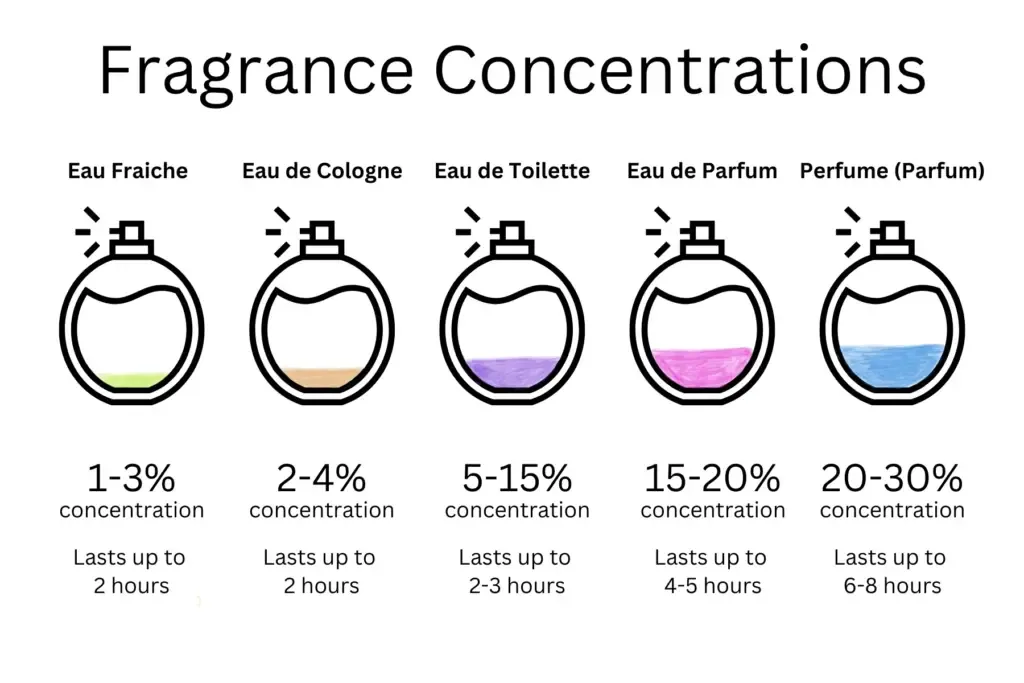
Fragrance oil concentration is the single most reliable predictor of longevity. Eau de Parfum formulations (15–20% oil) will outlast Eau de Cologne (2–4%) on skin every time, regardless of brand. When evaluating a dupe, confirm its concentration tier and compare it against the original. EDP-to-EDP is a fair comparison. EDT-to-EDP is not — and any longevity difference you notice will be a function of concentration, not quality.
2. Longevity
Longevity measures how many hours a scent remains detectable on skin. According to ALT. Fragrances' evaluation criteria, high-quality dupes with strong oil concentration can match or even exceed the longevity of some designer scents. This reflects the fact that some designer fragrances use lighter formulations intentionally for wearability, while some dupe houses specifically compete on projection and staying power. Always test longevity on skin — not on paper strips, which behave very differently.
3. Scent Arc Fidelity
A fragrance unfolds in three phases: top notes (the opening, roughly the first 15–30 minutes), heart notes (the body, lasting several hours), and base notes (the dry-down that lingers longest). A dupe may nail the opening but diverge significantly in the base — or perform the reverse. This is where the most honest assessments get complicated.
One YouTube reviewer covering Middle Eastern fragrance dupes noted that every clone they tested for a specific target missed the "effervescent orange Fanta" quality of the original's opening — a sparkling citrus effervescence no clone house had successfully replicated, despite some achieving 80–85% overall similarity. That gap matters if the opening is why you love the original. It matters less if you primarily wear a scent for its dry-down character.
4. Price Per Milliliter
Divide total cost by bottle volume. A $45 30ml bottle costs $1.50/ml. A $325 70ml bottle of Baccarat Rouge 540 costs approximately $4.57/ml. This single calculation reframes most value conversations. It also reveals when designer deals become genuinely competitive: Baccarat Rouge at $260 (Nordstrom sale) vs. a $45 dupe shifts the math meaningfully.
A fifth factor worth naming separately: Scent accuracy and scent quality are not the same thing. A dupe that smells slightly different from the original but performs genuinely well on your skin may be a better purchase than a 95%-accurate dupe that uses inferior base materials and turns sour after two hours. Buying a fragrance that works on you is the actual goal — not winning a blind comparison test.
Comparison Table: Designer Originals vs. Top 2026 Alternatives
| Fragrance | Original Price | Dupe Option | Dupe Price | Price Difference | Best For |
|---|---|---|---|---|---|
| Baccarat Rouge 540 (MFK) | ~$325 ($260 on sale) | ALT. Crystal No. 23 | ~$45 | ~$280 saved | Budget-friendly daily wear |
| Creed Aventus | ~$495 | Armaf Club de Nuit Intense | ~$35–$50 | ~$445 saved | First introduction to the DNA |
| Creed Silver Mountain Water | ~$320 | Various aquatic alternatives | ~$30–$60 | ~$260+ saved | Lower if arc fidelity less critical |
| Maison Margiela Attrape-Rêves | ~$165 | ALT. Dream Chaser | ~$45 | ~$120 saved | Floral-iris daily wear |
| Paco Rabanne 1 Million | ~$90–$110 | (Original is competitive) | N/A | Low gap | Buy the original at this price point |
Prices reflect publicly reported mid-2026 retail and sale data. Always verify current pricing before purchasing.
The Most Hyped Dupe Fragrances of 2026 — and How They Actually Perform
Baccarat Rouge 540 Alternatives
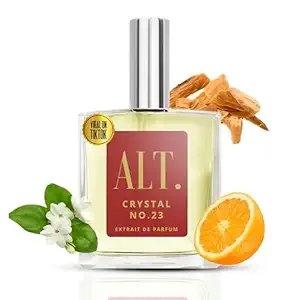
The saffron-amber-woody accord of Baccarat Rouge 540 is the most-replicated target in the 2026 dupe market. ALT. Fragrances positions Crystal No. 23 as their primary alternative, citing similar saffron-amber warmth and strong projection at under $50. The price-per-ml comparison is stark. The honest limitation: the specific luminous, almost metallic quality of the original's opening — a function of the ambroxan concentration used by Kurkdjian — is difficult to replicate at lower price points. Most alternatives perform better in the heart and base than in the opening minutes. If the first spray is what you love about BR540, manage expectations accordingly.
Creed Aventus Alternatives
Aventus has been duped more times than almost any other fragrance, which means the quality range among alternatives is enormous. The challenge: the original itself varies between batches — a well-documented phenomenon among Aventus collectors — which makes "accuracy" a moving target. Armaf Club de Nuit Intense has maintained a strong multi-year reputation as a value-oriented alternative, and Perfumes LA's 2026 Google Trends data confirms both Lattafa and Armaf are now rivaling traditional designer brands in direct search volume — a signal of genuine consumer satisfaction, not just price-driven purchasing.
Maison Margiela Attrape-Rêves Alternatives
The soft floral-iris character of Attrape-Rêves is considered more accessible to replicate than harder-edged accords. ALT. Fragrances' Dream Chaser is noted for capturing this profile at significantly reduced cost. Floral-iris accords tend to perform more consistently across dupe houses because the key materials are more widely available and less dependent on proprietary synthesis.
Middle Eastern Clone Houses: Lattafa and Armaf
These houses often produce interpretations rather than direct copies — taking a recognizable DNA and building something adjacent rather than identical. Per Perfumes LA's 2026 data, they're now rivaling traditional designer brands in direct search volume. A YouTube reviewer covering Middle Eastern clones described one Fragrance World release as approximately 80–85% similar to its target, with the missed element being the "effervescent, almost orange Fanta" sparkling citrus of the original's opening — while concluding the dupe "smells excellent and functions as a compliment-magnet in its own right." That framing is useful: evaluate a dupe as a fragrance, not only as a copy.
When Buying the Designer Original Is the Right Call
Dupes don't always win. There are specific situations where buying the original is the rational choice — and pretending otherwise does readers a disservice.
Fragrances with genuinely irreplaceable ingredient profiles are the clearest case. Creed Silver Mountain Water (~$320) has a distinctive mentholated, aquatic character that reviewers consistently describe as difficult to replicate at the base note level. If that specific profile is what you want, the original remains the most reliable path.
Affordable designer fragrances also undercut the dupe case. A YouTube reviewer in the Top 15 Colognes of 2026 video noted that Paco Rabanne 1 Million has sold over 100 million bottles globally and remains genuinely accessible for a designer scent — with strong projection, proven longevity, and wide availability for sampling. When a designer fragrance is priced in the $90–$110 range with that market penetration, the case for a dupe weakens considerably.
When you can sample first. The most expensive mistake in fragrance is a full-bottle blind buy. Creed Aventus and Baccarat Rouge 540 are among the most widely sampled fragrances precisely because they're so frequently discussed — which reduces purchase risk significantly if you have counter access or a sample service.
Fragrance choices intersect with your broader personal care approach. If you're building a full grooming routine alongside your scent wardrobe, our guides on the best skincare routines for 2026 and top men's skincare brands with simple routines are good companions to this guide — since skin condition and hydration directly affect how any fragrance wears and projects.
Who Is Actually Buying Dupes in 2026?
Understanding who buys dupes — and why — helps clarify whether the dupe path fits your situation.
According to Expert Market Research:
- Women represent 55–60% of the global perfume dupe market and are more likely to engage with fragrance recommendation communities on TikTok and Reddit
- The men's dupe segment recorded triple-digit sales growth for premium scent alternatives in mid-2025 — rapid normalization among male consumers
- The unisex segment, while smallest in absolute terms, is the fastest-growing — consistent with broader gender-neutral fragrance trends
Use case matters as much as demographics. A dupe worn daily to work or on public transit is a different proposition than a signature scent for important occasions. For high-frequency, low-stakes wear, the financial logic of a dupe is almost unassailable: spending $45 instead of $325 for a scent you'll go through quickly is straightforward math.
Building a fragrance wardrobe is the strongest use case for dupes. Owning five well-chosen dupes at $35–$55 each gives you more olfactory range than a single $325 bottle, at roughly the same total expenditure. That's the structural argument for dupes that no amount of brand loyalty can fully counter.
Where to Find Legitimate Designer Fragrance Deals in 2026
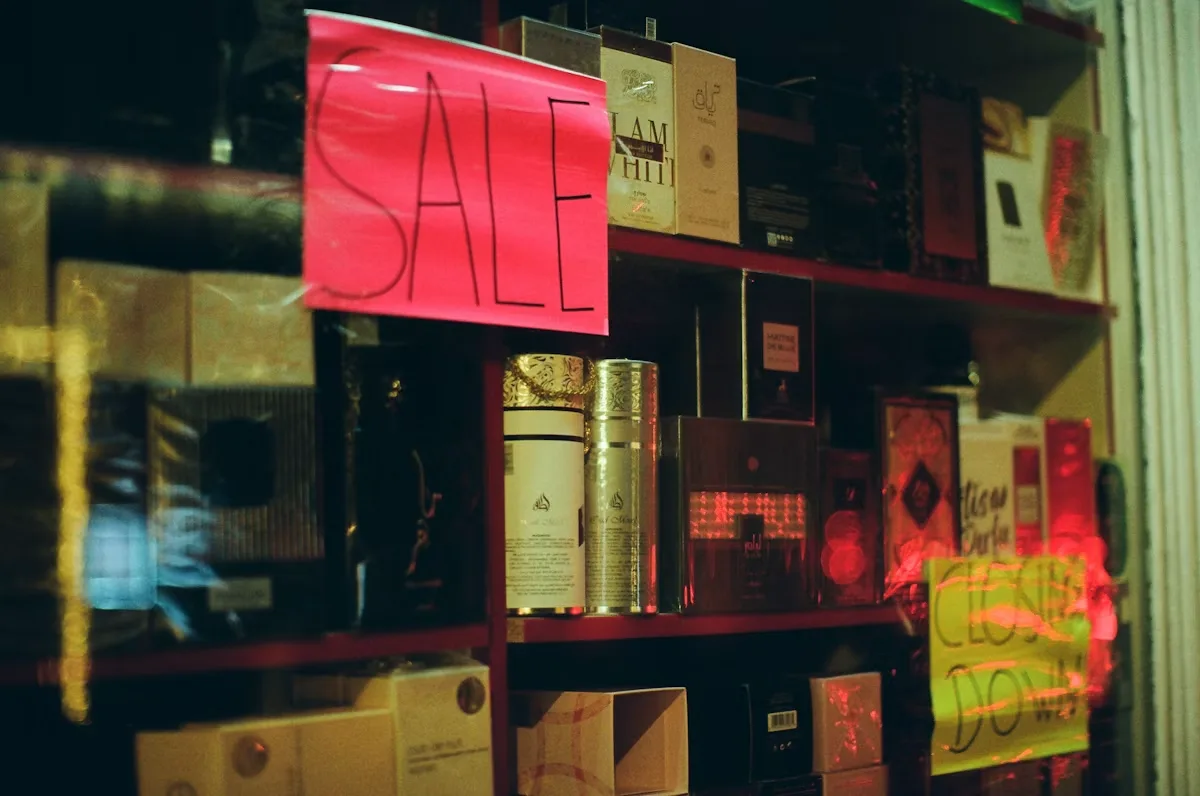
If you decide the original is worth it, timing your purchase matters. The best recurring events for designer fragrance discounts in the US include:
- Nordstrom Anniversary Sale (typically July–August) — historically produces 20–50% off on designer and niche fragrances, including premium names like Tom Ford and Creed
- Sephora Beauty Insider sales (spring and fall) — especially valuable for brand-exclusive releases. Our Sephora 2026 review breaks down how to maximize the Beauty Insider program for fragrance specifically
- Ulta Beauty promotions — Ulta's 21 Days of Beauty and bonus point events offer periodic fragrance deals; our Ulta vs. Sephora comparison for 2026 covers which retailer wins on fragrance selection and pricing
- FragranceNet and FragranceX — discount fragrance retailers that carry authenticated designer stock, often at 20–40% below MSRP year-round
Frequently Asked Questions
Do perfume dupes last as long as designer fragrances?
It depends on the oil concentration of both products. According to ALT. Fragrances' evaluation methodology, high-quality dupes with strong oil concentration can match or exceed the longevity of some designer scents. The comparison is only valid when both products are in the same concentration tier — comparing an EDP dupe to an EDT original, or vice versa, produces misleading results.
What is the most-duped fragrance in 2026?
Baccarat Rouge 540 by Maison Francis Kurkdjian ranked as the most-duped fragrance in January 2026 Google Trends data, according to Perfumes LA. Its saffron-amber-woody accord has been attempted by dozens of houses, with varying success across the three scent phases.
Are Middle Eastern clone fragrances the same as dupes?
Not exactly. Houses like Lattafa and Armaf often produce interpretations — fragrances inspired by a recognizable DNA but built as distinct compositions — rather than direct copies. Per Perfumes LA's 2026 data, these houses are now rivaling traditional designer brands in direct search volume, reflecting genuine consumer satisfaction rather than purely price-driven purchasing.
Why are designer perfumes so expensive?
Designer fragrance pricing bundles raw ingredient costs, perfumer fees, luxury packaging, celebrity endorsements, brand marketing, retailer margins, and the cost of maintaining a prestige identity. The fragrance oil itself is a fraction of the retail price. Some niche houses also charge premiums for genuinely higher-grade ingredients and lower production volumes.
Is it worth buying designer fragrance on sale?
Yes, when the discount is substantial. Tom Ford Oud Wood at 50% off ($145 from $290) during Nordstrom's 2026 beauty sale, as reported by Esquire, brings the per-ml cost into range that is genuinely competitive with premium dupes. Monitoring legitimate retailer sale events is a real, repeatable strategy.
How does skin type affect fragrance performance?
Dry skin tends to diminish both designer and dupe longevity — fragrance clings better to well-moisturized skin. This matters more than the dupe/designer distinction for some buyers. If you consistently find fragrances fade quickly, applying an unscented moisturizer before spritzing (or choosing a higher-concentration EDP) will deliver more consistent results than simply buying a more expensive bottle.
A Decision Framework That Actually Works
Rather than telling you which side wins categorically, here's a repeatable process for any fragrance purchase in 2026:
- Calculate price per ml for both options. Divide cost by volume for the original and the best-reviewed dupe. If the gap is less than $1.50/ml, a designer sale price may make the original more competitive than it appears.
- Identify which scent phase matters most to you. If you love a fragrance for its opening, dupes carry higher risk — top notes are hardest to replicate. If you primarily wear a scent for its dry-down, dupes perform more consistently.
- Check the concentration tier of both products. Only compare EDP to EDP, EDT to EDT. A longevity difference driven by concentration is not a quality difference.
- Assess your wear frequency. High-frequency daily wear strongly favors dupes financially. Signature or occasion-specific wear may justify the original when scent accuracy and brand experience both matter.
- Sample before committing. The most expensive mistake in fragrance — designer or dupe — is a full-bottle blind buy. Most dupe houses and many designer brands offer sample sizes. Use them.
The best perfume and cologne deals in 2026 are not automatically the cheapest options, and they're not automatically the most expensive. They're the options that deliver the scent experience you actually want, at a price that reflects its real value to you.
Related Reading on Trusted Buyer Report
For related personal care research using the same evidence-based methodology:
- Best Anti-Aging Skincare Products 2026: Retinol & Peptides Guide
- Best Sunscreen Brands 2026: Face, Body & SPF Guide
- Best Collagen Supplements 2026: Powders, Gummies & Capsules
- Ulta Beauty vs. Sephora 2026: Full Comparison Review
Reviewed by the Trusted Buyer Report editorial team. This article was drafted with AI assistance and fact-checked before publishing. Trusted Buyer Report may earn a commission from purchases made through links on this page. Read our full methodology →