Disclosure: This guide is based on manufacturer specs, independent expert reviews, and verified buyer feedback from sources including Reviewed.com, CNBC, PCMag, and Digital Trends. It does not reflect hands-on testing by Trusted Buyer Report. We may earn a commission from purchases made through links on this page. Drafted with AI assistance, fact-checked by our editorial team. How we review →
Quick Answer: Echo Show 11 vs Nest Hub Max — Who Wins?
The short version: neither device is universally better. The right one depends on two things — your ecosystem and your daily habits.
- Buy the Echo Show 11 ($219.99 MSRP) if you use Amazon Prime Video regularly, make frequent Zoom calls, or already own Ring cameras or Alexa-compatible devices.
- Buy the Google Nest Hub Max ($229) if YouTube is part of your daily routine, you're in the Google ecosystem (Android, Chromecast, Nest), or audio quality for music matters.
- Buy the Google Nest Hub 2nd Gen (~$99) if budget is the main driver and you don't need a camera.
- Buy the Echo Show 8 ($179.99 MSRP) if you want Alexa + a great kitchen counter display without the Echo Show 11's larger footprint.
The single factor most buyers only discover after purchase: YouTube is native and voice-controlled on the Nest Hub, and browser-only with no voice control on the Echo Show. If you cook to YouTube or use it daily, that matters more than almost any spec.
Head-to-Head Specs: Echo Show 11 vs Nest Hub Max
| Feature | Echo Show 11 | Nest Hub Max |
|---|---|---|
| MSRP | $219.99 | $229 |
| Screen size | 11-inch Full HD | 10-inch (1280×800) |
| Camera | 13MP, auto-framing, 3.3× zoom | 6.5MP, auto-framing, 127° FOV |
| Voice assistant | Alexa / Alexa+ | Google Assistant / Gemini |
| Zoom support | Yes (native) | Yes (native) |
| YouTube (native) | ❌ Browser only | ✅ Full voice control |
| Amazon Prime Video | ✅ Native | ❌ Not supported |
| Netflix / Hulu | ✅ | ✅ |
| Google Cast | ❌ | ✅ |
| Smart home hub | Built-in (Zigbee, Matter, Thread) | Via Google Home app |
| Music — Amazon Music | ✅ | ❌ |
| Music — YouTube Music | ❌ | ✅ |
| Music — Spotify | ✅ | ✅ |
| Music — Apple Music | ✅ | ❌ |
| Privacy shutter | Yes | Yes |
| Launched | November 2025 | September 2019 |
Sources: Amazon product page · CNBC launch coverage · Reviewed.com best smart displays
How We Researched This Guide
This guide aggregates specs, pricing data, and user experience findings from manufacturer pages, independent tech publications (Reviewed.com, PCMag, CNET, Digital Trends), and verified buyer reviews across Amazon. We did not physically test either device. Prices reflect MSRP at launch (September–November 2025); street prices vary and frequently drop below MSRP during sale events. Read our full methodology →
Video Calling: Echo Show 11 Has a Clear Camera Edge

If video calls are a top priority — Zoom with coworkers, calls with family — the Echo Show 11 wins this category.
Its 13MP camera with auto-framing and 3.3× zoom produces sharper images than the Nest Hub Max's 6.5MP sensor, especially noticeable on larger screens where lower-resolution cameras get exposed quickly. The Echo Show 11 also adds ambient noise reduction, which makes a difference in busy kitchen environments.
The Nest Hub Max compensates with a 127° field of view — wider than the Echo Show's narrower frame — and its auto-framing keeps moving subjects centered during calls. According to Reviewed.com, the Nest Hub Max "delivers great sound quality during video calls on services like Zoom," and its 6.5MP camera "automatically pans and adjusts to keep you in the frame." For households with kids who wander during calls, that wide-angle auto-framing is genuinely useful. But resolution wins in stationary, seated calls.
Platform support gap: The Echo Show 11 supports Zoom natively, along with Alexa direct-dial and group calling. Alexa+ (included free with Prime membership, or $19.99/month otherwise) adds smarter call management. The Nest Hub 2nd Gen (the smaller $99 model) is limited to direct calls within the US and audio-only Google Duo — a meaningful restriction if your household relies on Zoom.
Bottom line on video calls: Echo Show 11 > Nest Hub Max for resolution and platform breadth. Nest Hub Max's wider FOV is useful for active users.
Audio and Music Streaming: Nest Hub Max Pulls Ahead
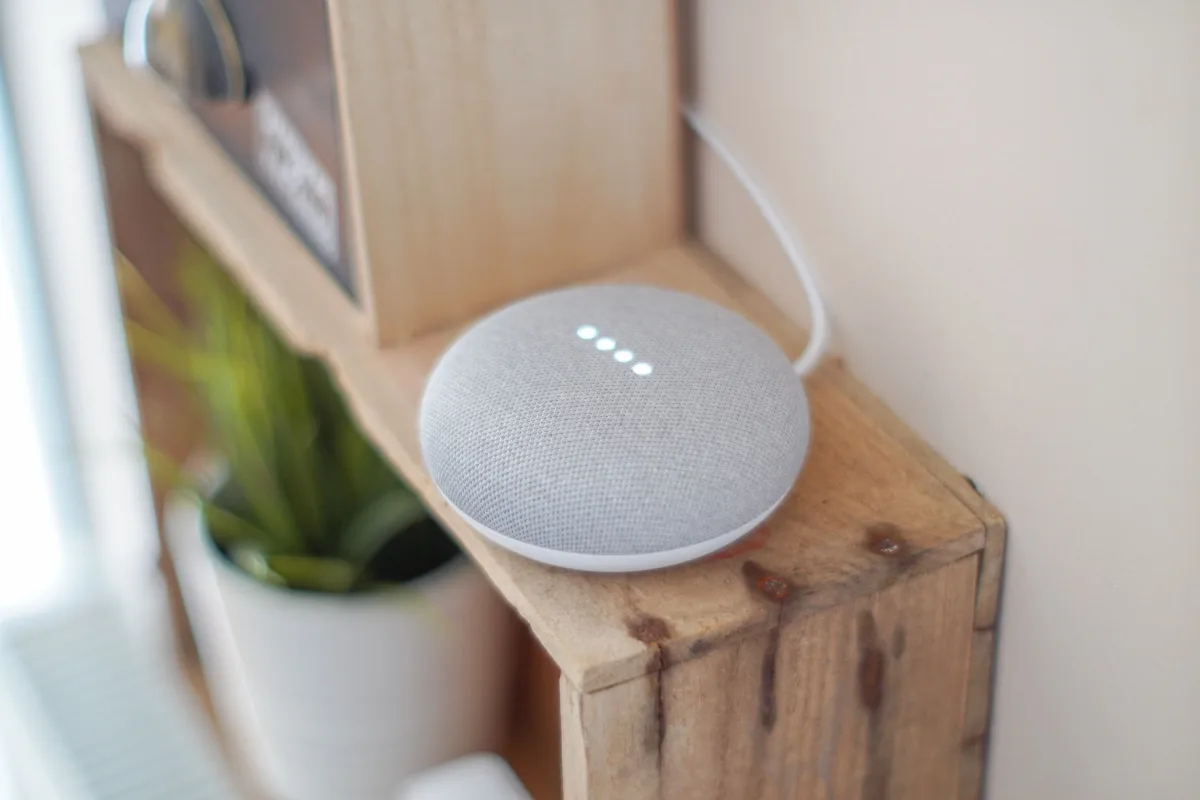
If music fills your kitchen for hours at a time, audio output matters more than screen size — and this is where the Nest Hub Max takes the lead.
The Nest Hub Max is built around dual 10W tweeters plus a 30W subwoofer, delivering noticeably fuller, richer sound than comparably sized Echo Show models. According to Digital Trends, the Nest Hub Max bass "roars to the beats, without overpowering the mids and highs," and users can adjust bass/treble through the Google Home app.
The Echo Show 11's new AZ3 Pro chip brings enhanced spatial audio and room adaptation technology — Amazon's description notes "crisper vocals, wider sound stage, and up to 2x bass versus Echo Show 8 (2023 release)" per the official Amazon product page. This is a meaningful upgrade over previous generations, but independent reviewers consistently place the Nest Hub Max ahead for raw audio output at comparable volumes.
Streaming service compatibility — the full breakdown:
| Streaming Service | Echo Show 11 | Nest Hub Max |
|---|---|---|
| Amazon Music | ✅ | ❌ |
| Apple Music | ✅ | ❌ |
| Spotify | ✅ | ✅ |
| YouTube Music | ❌ | ✅ |
| SiriusXM | ❌ | ✅ |
| Pandora | ❌ | ✅ |
| iHeartRadio | ❌ | ✅ |
What this means in practice: If you pay for Apple Music, the Echo Show 11 is your only native option between these two. If you're on YouTube Music (bundled with YouTube Premium), the Nest Hub is the obvious fit. Spotify users are covered on both — it's a non-factor for that segment.
Both devices support Bluetooth streaming as a universal fallback, and the Nest Hub adds Google Cast, which lets you stream from any compatible app on your phone or tablet directly to the display — something the Echo Show doesn't replicate natively.
Streaming Video: The YouTube Problem Nobody Warns You About

This is the section most reviews gloss over. For a significant portion of households, it's the deciding factor.
YouTube on the Nest Hub Max: fully native, voice-controlled. Say "Hey Google, play a pasta carbonara recipe on YouTube" and it opens immediately with full controls, recommendations, and standard interface.
YouTube on the Echo Show 11: not available as a native app. As CNET's long-term testing coverage notes, "The big win for Google here is direct access to YouTube… isn't available on Amazon Echo Products." The browser workaround means no voice control for navigation, no seamless autoplay, and a degraded interface. For occasional use — an inconvenience. For daily YouTube use (cooking, kids' content, news, tutorials) — a fundamental limitation.
Prime Video on the Echo Show 11: fully native, full voice control. If you're a Prime subscriber, this is a significant exclusive the Nest Hub can't match at all.
| Streaming Service | Echo Show 11 | Nest Hub Max |
|---|---|---|
| Netflix | ✅ | ✅ |
| Hulu | ✅ | ✅ |
| Amazon Prime Video | ✅ | ❌ |
| YouTube (native, voice) | ❌ | ✅ |
| Google Cast (any app) | ❌ | ✅ |
The decision framework: If YouTube is a daily habit → Nest Hub Max. If Prime Video is your primary streaming service → Echo Show 11. If you use both equally, decide which you'd be more frustrated to lose native access to.
Smart Home Integration: Alexa Has More Devices, Google Has Better Ecosystem Fit
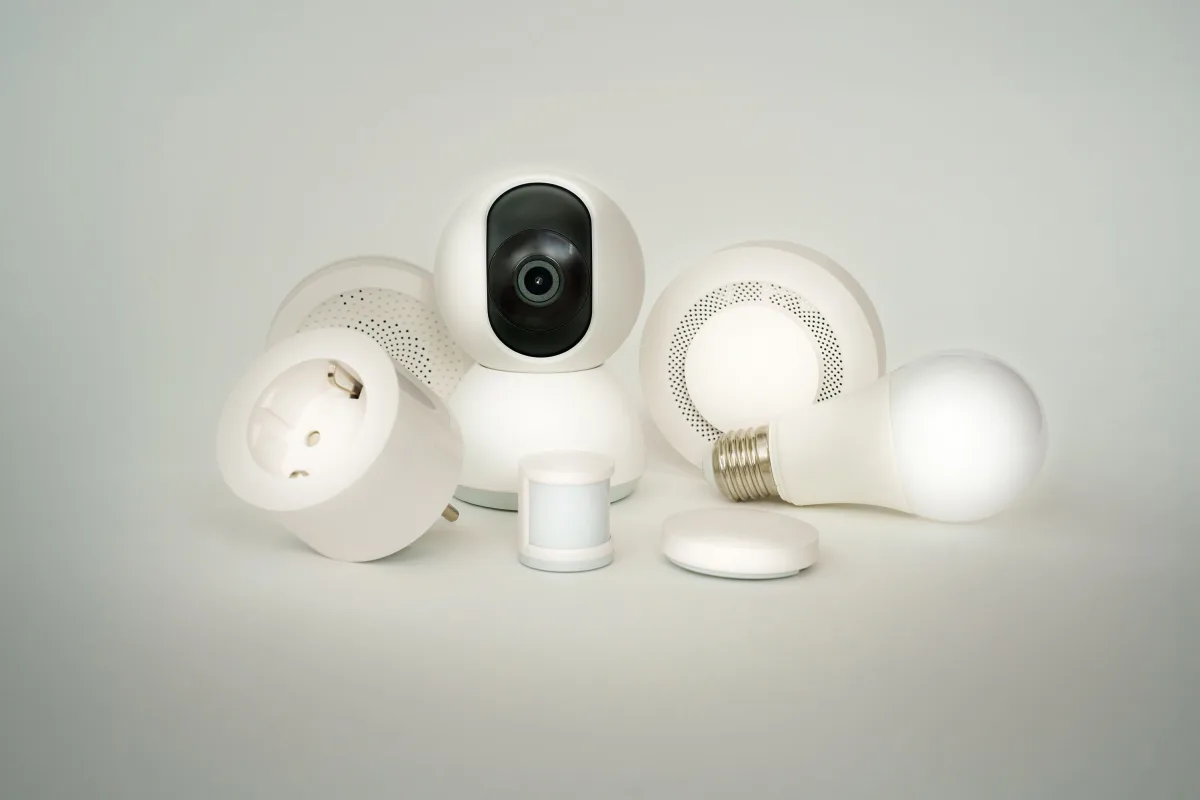
Both devices work as smart home hubs, but the right one depends on what devices you already own.
Alexa's advantage: breadth. Alexa integrates with more than 100,000 compatible skills and devices, making it the broader choice for mixed smart home setups with multiple brands. According to Security.org, Alexa supports the widest range of IoT devices of any voice platform. The Echo Show 11 includes a built-in Zigbee, Matter, and Thread hub — no separate smart home hub needed — and integrates tightly with Ring cameras and Amazon smart plugs.
Google Assistant's advantage: ecosystem cohesion. If your home already runs on Google (Nest thermostats, Chromecast, Android phones, Nest cameras), the Nest Hub Max integrates with less setup friction. Asking "Hey Google, show me the front door" pulls up a Nest camera feed instantly. Calendar events from Google Calendar appear automatically on the ambient display — a Workspace-friendly feature Alexa can't replicate as cleanly.
Matter is reducing the gap. According to Mordor Intelligence's smart display market report, Matter protocol adoption is "dismantling platform lock-in." More devices now work with both platforms — so existing bulbs, locks, and thermostats are less likely to be a dealbreaker in either direction than they were two years ago.
Specific use case: Ring doorbell owners should buy the Echo Show. Nest camera owners should buy the Nest Hub Max. For everyone else, the platform you already use on your phone (Android vs iPhone/Amazon) is the best tiebreaker.
Full Model Lineup and Pricing: What's Available in 2026
Amazon Echo Show lineup (as of November 2025 launch per CNBC):
| Model | Screen | Camera | MSRP | Best For |
|---|---|---|---|---|
| Echo Show 5 (3rd gen) | 5.5" (960×480) | 2MP | ~$89.99 | Bedroom nightstand, bedside alarm |
| Echo Show 8 (4th gen) | 8.7" HD | 13MP auto-framing | $179.99 | Kitchen counter, recipe display |
| Echo Show 11 | 11" Full HD | 13MP auto-framing | $219.99 | Living room, large screen calls |
| Echo Show 15 | 15.6" Full HD | 5MP | ~$249.99 | Wall-mounted family hub |
| Echo Hub | 8" | None | ~$179.99 | Smart home control panel, no camera |
Google Nest Hub lineup:
| Model | Screen | Camera | MSRP | Best For |
|---|---|---|---|---|
| Nest Hub 2nd Gen | 7" | None | ~$99 | Budget entry, no-camera preference |
| Nest Hub Max | 10" (1280×800) | 6.5MP auto-framing | $229 | Kitchen, premium audio, Google ecosystem |
Key notes:
- Street prices on the Echo Show 11 have reached as low as $170 during sale events (March 2026 per Gizmodo), compared to its $219.99 MSRP.
- The Nest Hub Max was released in 2019 and has not received a hardware refresh — a legitimate consideration when paying $229 for a 6-year-old device.
- Alexa+ (the AI-upgraded assistant on new Echo Show models) is free for Prime members; $19.99/month otherwise.
- The Echo Hub deserves mention for buyers who want smart home control without video or streaming — it's a focused panel for hallways or entryways.
Privacy and Camera Controls
Both platforms handle camera privacy similarly: physical shutters and hardware microphone mute buttons on all camera-equipped models. Hardware-level disconnection is more trustworthy than software toggles.
Camera-free options: The Nest Hub 2nd Gen (no camera at all) and the Echo Hub (no camera) are the cleanest choices for privacy-conscious households or shared spaces like living rooms.
The Nest Hub Max's camera doubles as a Nest security camera via the Google Home app — with a paid Nest Aware subscription unlocking Familiar Face detection and motion alerts. This "always-on camera that also makes video calls" design is elegant, but some users may find it uncomfortable in shared living spaces. Per Reviewed.com, face recognition on the Nest Hub Max has had some programming inconsistencies — capable, but not flawless.
Who Should Buy Which Device
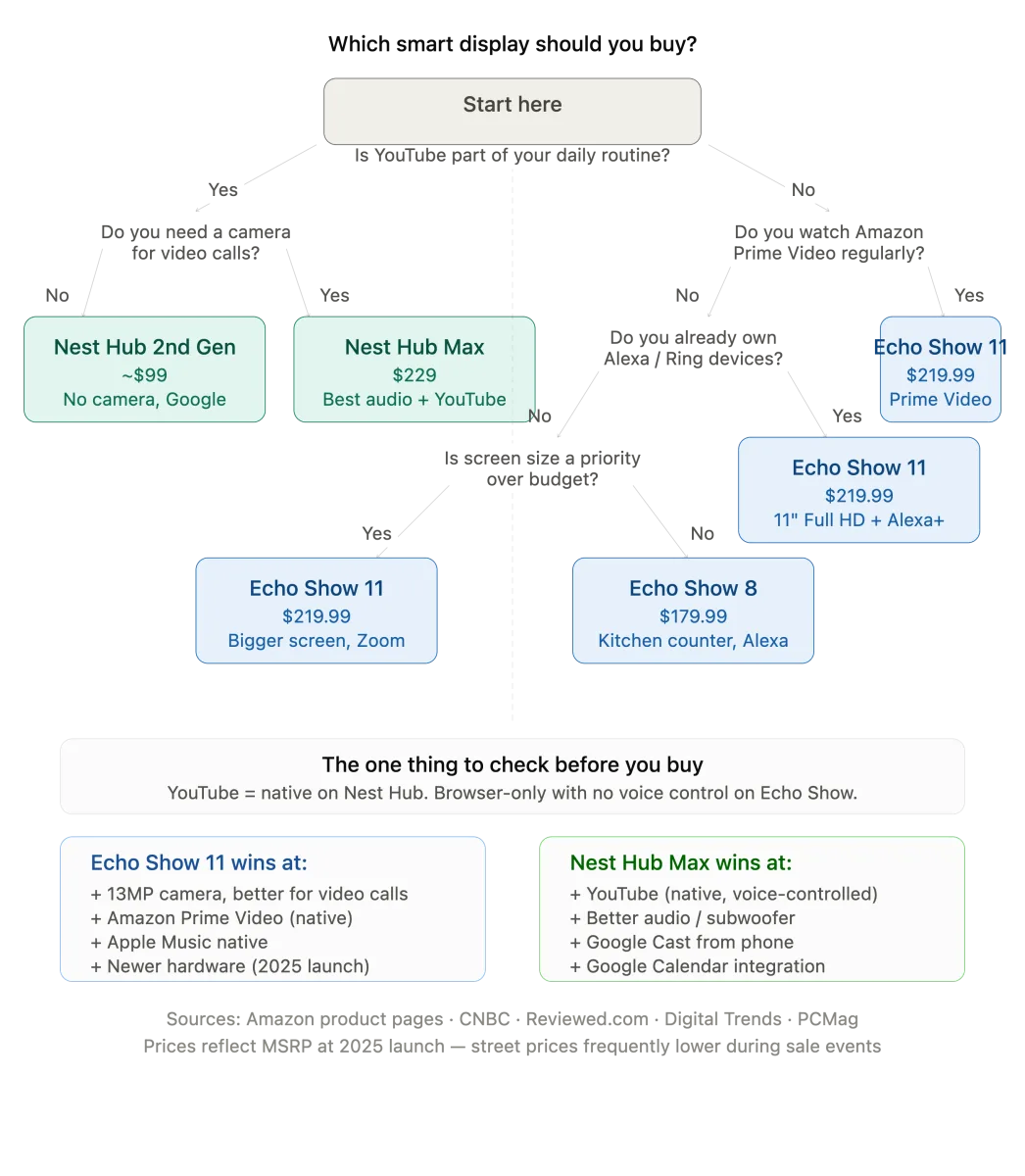
Buy the Echo Show 11 ($219.99) if you:
- Are an Amazon Prime subscriber and watch Prime Video regularly
- Make frequent Zoom or video calls — especially seated, stationary ones
- Own Ring cameras, Ring doorbells, or other Ring/Amazon smart home devices
- Use Apple Music as your primary music service
- Want the widest selection of Alexa smart home integrations
- Prefer a newer device (launched November 2025 vs Nest Hub Max's 2019 hardware)
Buy the Nest Hub Max ($229) if you:
- Use YouTube daily for cooking, news, or entertainment
- Are already in the Google ecosystem (Android, Chromecast, Google Calendar, Nest devices)
- Prioritize audio quality for music over a slightly larger screen
- Subscribe to YouTube Music, SiriusXM, Pandora, or iHeartRadio
- Want Google Cast to stream from your phone to the display
Buy the Nest Hub 2nd Gen (~$99) if you:
- Are new to smart displays and want a low-cost entry point
- Want Google Assistant with no camera in the room
- Primarily need calendar reminders, weather, and Google Home controls
Buy the Echo Show 8 ($179.99) if you:
- Want Alexa + a 13MP camera at a lower price than the Echo Show 11
- Are placing the device on a kitchen counter where 11 inches is too large
- Want Amazon's ecosystem without paying Echo Show 11 pricing
FAQ: Echo Show vs Nest Hub
Is the Google Nest Hub Max compatible with Amazon services? No. The Nest Hub Max does not support Amazon Prime Video, Amazon Music, or Ring camera integration natively. It runs Google Assistant, not Alexa.
Can you use Zoom on both the Echo Show and Nest Hub Max? Yes. Both the Echo Show 11 and the Nest Hub Max support Zoom natively. The smaller Nest Hub 2nd Gen does not support Zoom — only direct calls and Google Duo audio.
Does the Echo Show 11 support YouTube? Not natively. YouTube is accessible only through the Echo Show's browser, which lacks voice control and delivers a degraded interface. For native YouTube with full voice control, you need a Google Nest Hub.
Which smart display has better sound quality? The Nest Hub Max's speaker system (dual 10W tweeters + 30W subwoofer) is consistently rated above the Echo Show 11 by independent reviewers. The Echo Show 11's spatial audio is improved over previous generations, but the Nest Hub Max wins on raw audio output.
Is Alexa+ worth it? Alexa+ is free for Amazon Prime members on new Echo Show 8 and Echo Show 11 models. Non-Prime users pay $19.99/month. For Prime members, it's included — the new AI features (personalized recommendations, smarter routines, Omnisense awareness) add meaningful value over the previous Alexa.
How old is the Google Nest Hub Max? The Nest Hub Max launched in September 2019 — nearly 6 years ago at time of writing. Google has not released a hardware refresh. The Echo Show 11 launched in November 2025, making it a substantially newer device with more modern internals (AZ3 Pro chip).
What is Omnisense on the Echo Show 11? Omnisense is Amazon's sensor platform on the new Echo Show 8 and Echo Show 11. It combines audio, ultrasound, Wi-Fi radar, accelerometer, and the 13MP camera to deliver context-aware Alexa behaviors — like sending a reminder only when a specific person walks into the room, or alerting you that the garage door is open after midnight.
We may earn a commission from purchases made through links on this page, at no extra cost to you. Our editorial assessments are completed before any affiliate link is applied. Full affiliate disclosure →